AnyPS5 GPU Milestone Reached in Native PC Port Race
The open-source AnyPS5 project has achieved 100% shader instruction coverage for its tracked AMD RDNA instruction set, pushing forward efforts to run PlayStation 5 games natively on Windows and Linux PCs.
 Radwan AbdulhadiEditor and technology writer
Reaching a Critical Shader Milestone
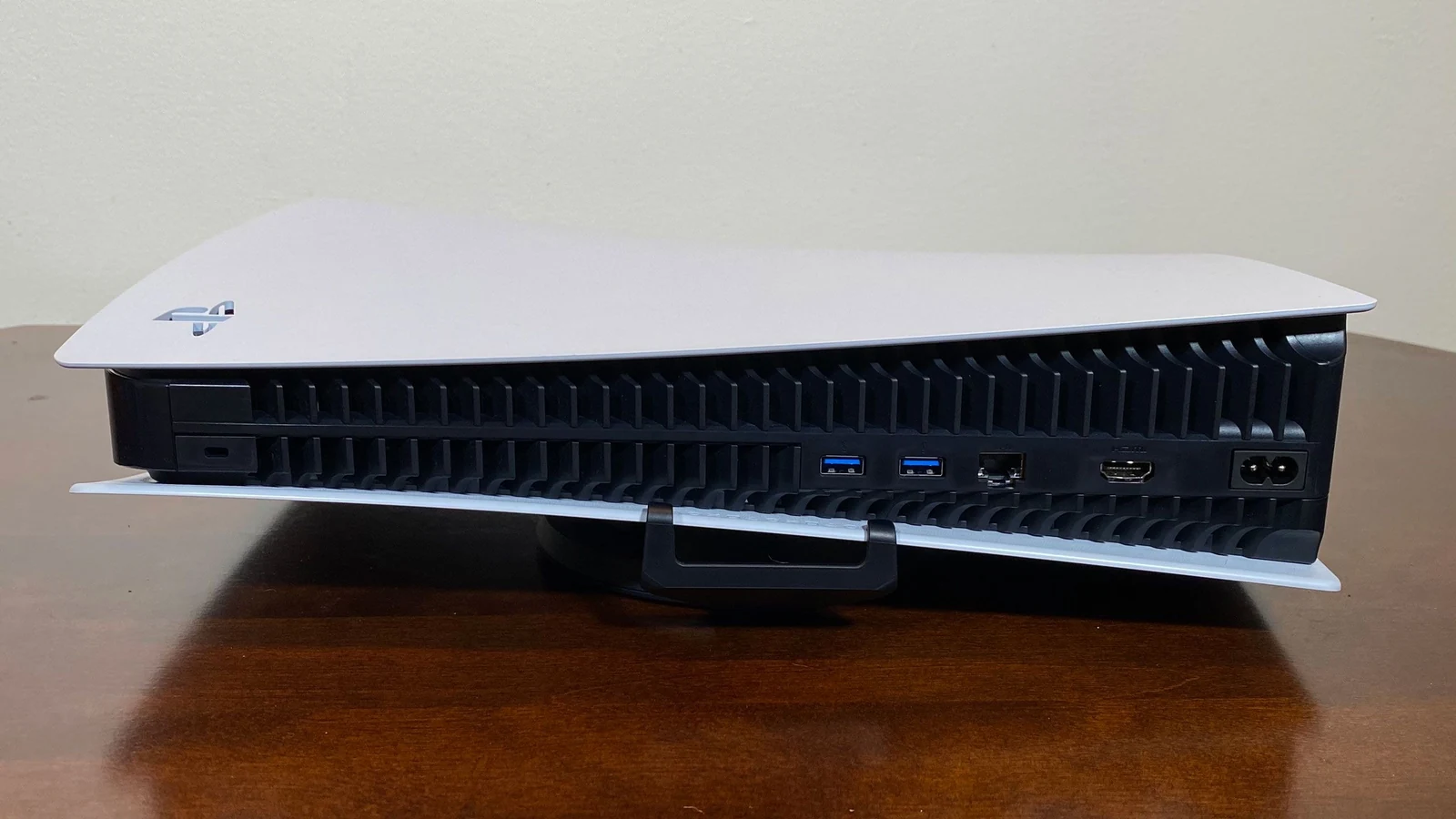
The open-source AnyPS5 project has reached 100% GPU shader instruction coverage, marking a significant milestone in the ongoing race to enable running PlayStation 5 games natively on Windows and Linux systems. According to details shared by <a href="https://www.tomshardware.com/video-games/playstation/anyps5-reaches-critical-gpu-milestone-with-100-percent-shader-instruction-coverage-ps5-games-running-natively-on-pc-still-far-off">Tom's Hardware</a>, the project's live progress tracker lists all 1,166 instructions within its tracked AMD RDNA 1 and RDNA 2 instruction sets as implemented.
Despite the impressive 100 percent figure, project maintainers note an important distinction. Reaching full coverage indicates that the shader decoder recognizes every instruction in the tracked set, but it does not mean the PS5 graphics processing unit is fully supported or that mainstream game titles are ready to run smoothly on desktop hardware. Full instruction translation to SPIR-V, correct runtime behavior across all situations, and comprehensive GPU feature support remain under active development.
Understanding Native Porting and Binary Transformation
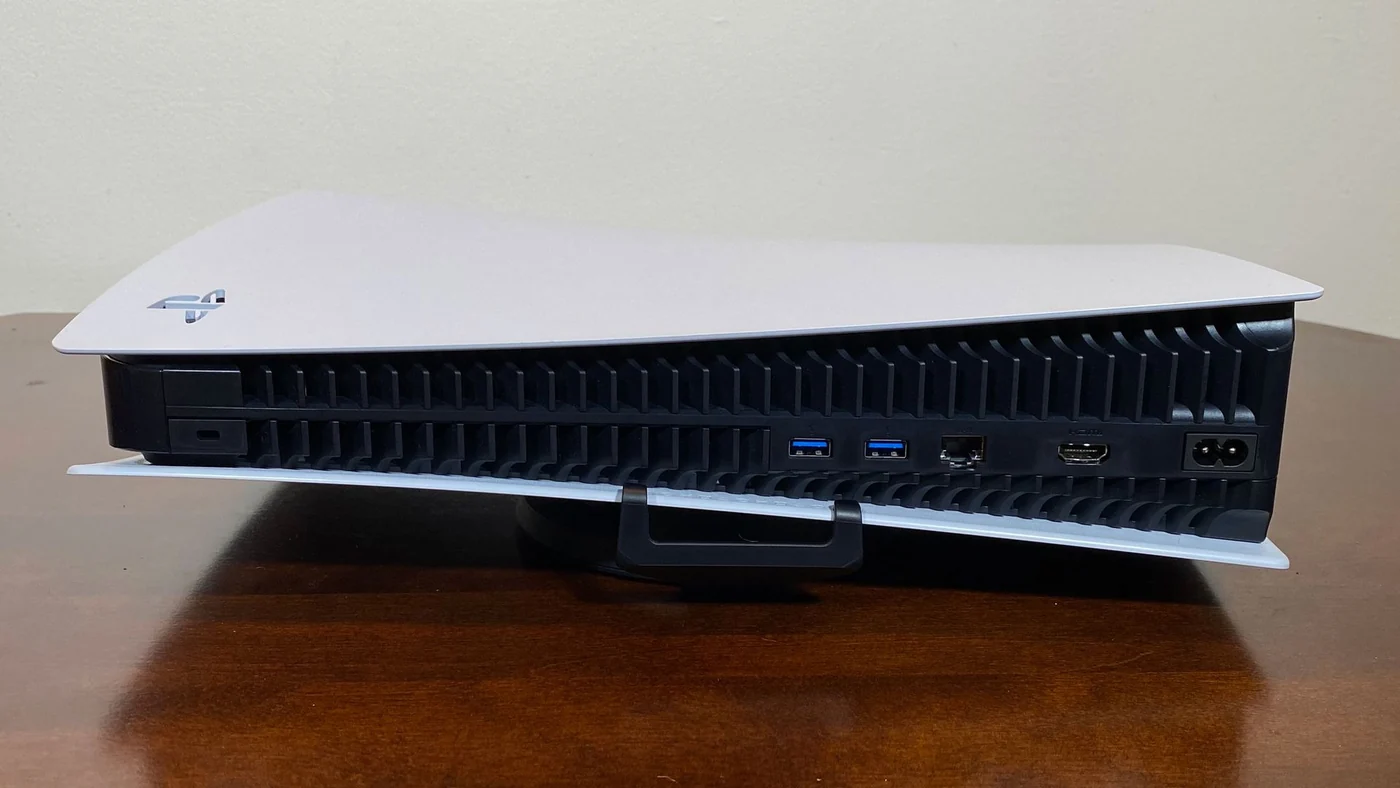
Unlike conventional console emulators that recreate an entire virtual virtual machine environment to execute software, AnyPS5 relies on native porting through binary transformation and application programming interface reimplementation. The software takes an existing console executable in standard ELF format and relinks it into a native x86-64 Linux ELF or Windows PE executable.
This approach means the software does not require the original source code or rebuild titles from scratch. Instead, it adapts existing machine code and supplies native replacements for expected system libraries. Users interested in examining the underlying architecture can check the <a href="https://boykopovar.github.io/AnyPS5/">progress tracker</a> provided by the developers for real-time updates.
Graphics Translation and System Libraries
Handling graphics introduces additional complexity because console software utilizes Sony's proprietary graphics interface and specific hardware instructions rather than standard PC graphics APIs. AnyPS5 reimplements necessary graphics behaviors and translates shader programs into SPIR-V for execution through Vulkan. While CPU code can often execute directly on compatible x86-64 host hardware, graphics state, synchronization, and memory management require extensive bridging.
Beyond graphics decoding, system library implementation continues to expand. The project tracker records steady progress across thousands of declared system-library functions, though developers emphasize that an implemented function does not automatically guarantee identical behavior to official hardware.
Current Compatibility and Hardware Demands
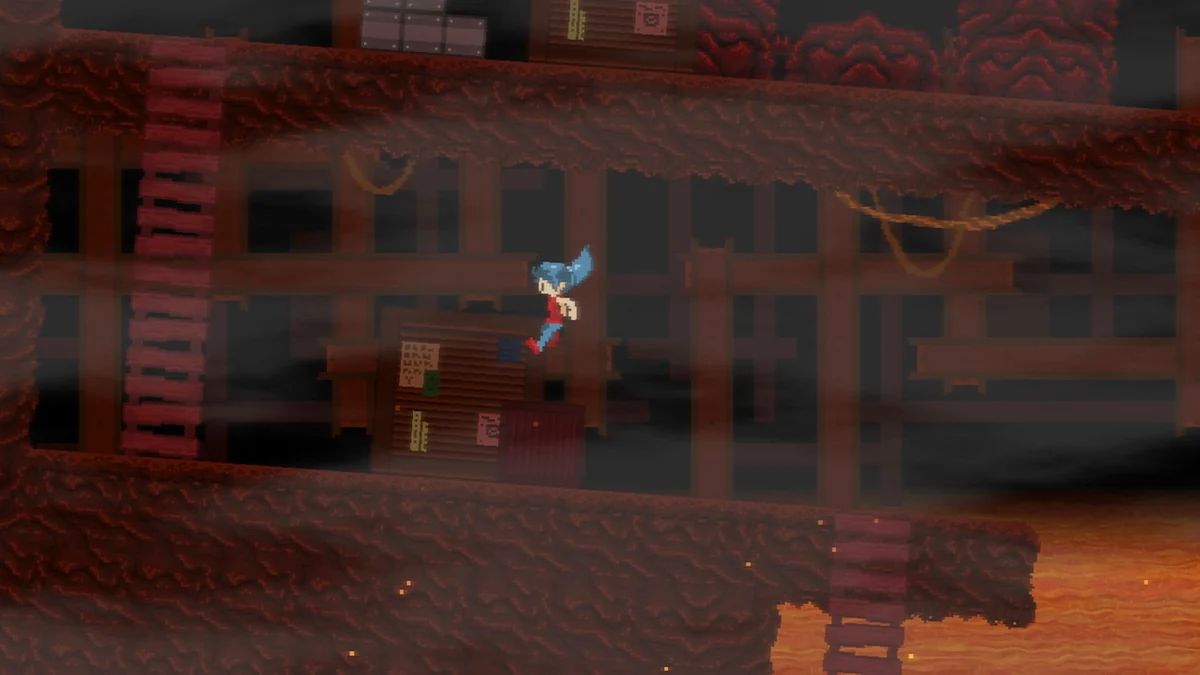
The official compatibility list currently features Dreaming Sarah as its single verified playable title. While experimental bring-up reports note progress with more demanding games, current runs frequently experience substantial rendering, performance, and stability issues. Reaching an introductory cinematic or rendering a single scene signifies real development progress, but full playthrough capability remains distant.
Hardware requirements also present notable considerations. Depending on the title, memory consumption can be exceptionally high, with certain configurations requesting substantial direct memory allocation mapped directly against system commit limits. Consequently, running these experimental setups requires careful hardware planning beyond standard desktop configurations.
Sources
- Tom's HardwareAnyPS5 project reaches critical GPU milestone in race to enable running PS5 games natively on PC
Continue chronologically
Related stories
PlayStation 5 Drawbacks to Consider Before Buying
Discover four key drawbacks of buying a PlayStation 5 right now, covering rising hardware prices, physical media shifts, and console design.
How much does DDR5 RAM speed matter for gaming?
Explore how memory bandwidth and latency impact gaming frame rates, and whether high-end DDR5 RAM speeds are genuinely worth the extra cost.
Why Hardware-Accelerated GPU Scheduling Hurts Cheap GPUs
Tests show that hardware-accelerated GPU scheduling can consume nearly 1GB of VRAM, posing a major issue for 6GB and 8GB graphics cards.
Nvidia Vera CPU Benchmarked Against AMD and Intel
Nvidia's Vera data center CPU is benchmarked against AMD EPYC Turin and Intel Granite Rapids-AP, showcasing strong Python performance and bandwidth.