Insta360 Luna Ultra and Luna Pro Review
Insta360 enters the pocket gimbal market with the Luna Ultra and Luna Pro, offering robust stabilization and high-quality 4K video for creators.
 Radwan AbdulhadiEditor and technology writer
Introduction to Insta360's New Gimbal Cameras
Compact and capable camera gimbals have become essential tools for solo filmmakers, independent journalists, and content creators. Following pioneers who popularized gimbal-camera combinations, Insta360 has entered the market with competing devices known as the Insta360 Luna Ultra and Luna Pro, which are currently available in the US.
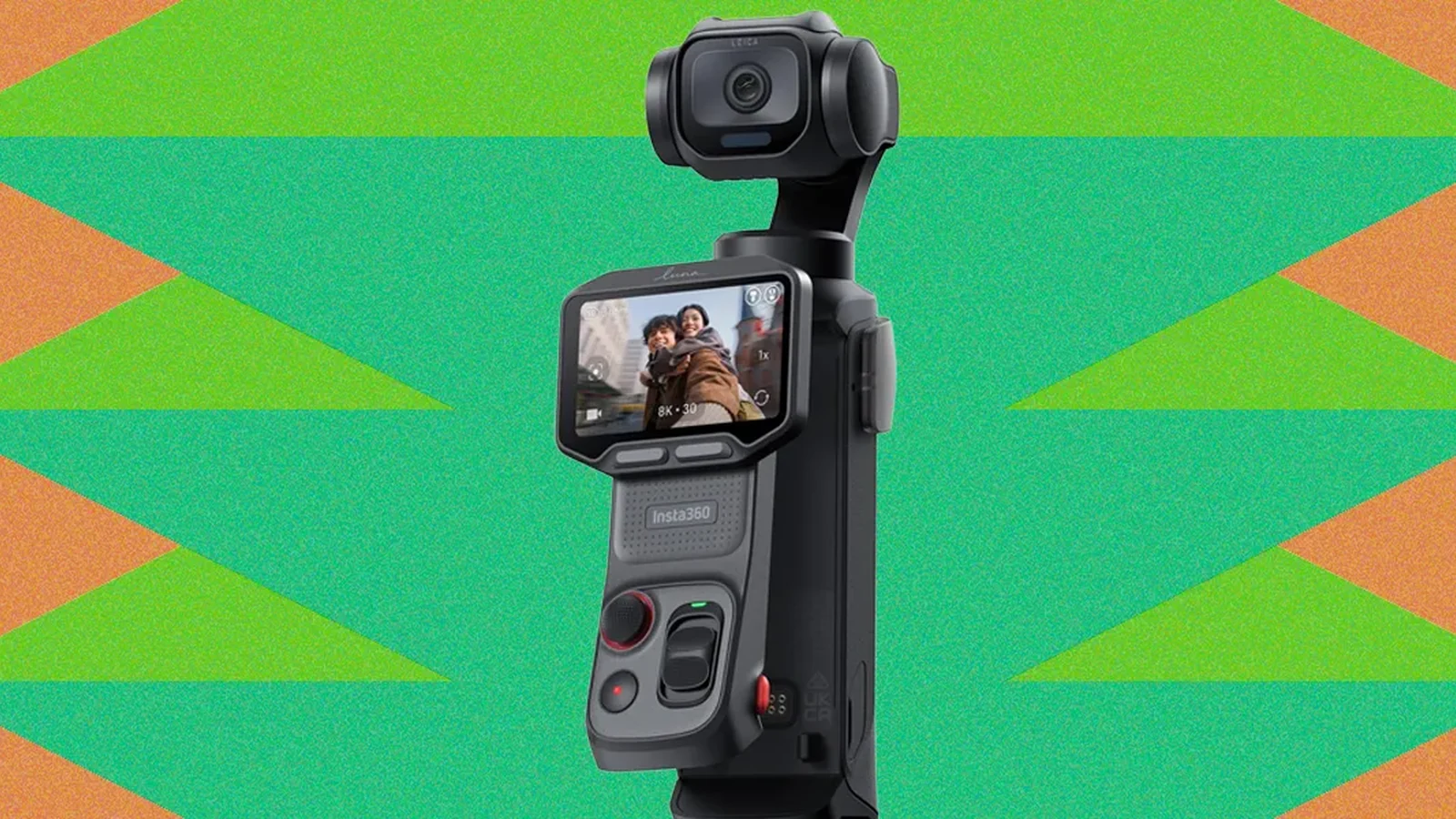
The Insta360 Luna Ultra launched in June, sporting a design that draws comparisons to Wall-E and featuring two distinct lenses: a wide-angle main lens developed with Leica and a secondary zoom lens. Later in September, Insta360 expanded the lineup by adding the Luna Pro, a more budget-friendly alternative that shares most specifications with the Ultra while omitting the second zoom lens.
Shared Core Specifications and Image Quality
Beneath their exterior design, both Luna models share a substantial amount of hardware. They utilize a 20-mm equivalent lens featuring a wide f/1.8 aperture paired with a 1-inch sensor, resulting in an effective shooting experience equivalent to a 20-mm f/5 lens on a full-frame 35-mm camera. This main sensor is the same component found in the Insta360 X6 camera, yet the Luna models deliver noticeably superior image quality due to their specialized lenses.
The narrower field of view on the Luna produces sharper and clearer video in nearly all testing environments, except in bright sunlight where performance is roughly equivalent to the X6. Furthermore, the 8K capability of the main sensor allows users to shoot with a digital 2X zoom while maintaining high-quality 4K footage. Video modes support up to 4K at 120 frames per second for slow motion, including log recording formats like Insta360's proprietary I-Log for advanced color grading.
Gimbal Performance and Detachable Design
The build mirrors traditional pocket gimbal layouts with a handle grip housing the internals, a flip-out screen to power the device, and a three-axis gimbal maintaining stability at the top. The mechanical stabilization enables smooth panning, tilting, and rolling movements alongside auto-tracking features to keep subjects centered automatically.
A defining characteristic of the Luna series is its detachable front panel, which houses the OLED screen, physical buttons for recording, zooming, and panning, and an integrated microphone. This configuration enables operators to position the camera independently and utilize the screen remotely from up to approximately 66 feet away, facilitating easier self-filming setups.
Luna Ultra Zoom Capabilities and Pricing Options
The primary differentiator for the higher-end model is the telephoto lens on the Ultra, which uses a smaller 1/1.3-inch sensor to provide 3X optical zoom, equivalent to a 60-mm focal length on a full-frame lens. Through digital zoom, the reach can extend up to 15X, offering flexibility when capturing distant subjects or B-roll footage. For users requiring even greater reach without sacrificing sharpness, an external zoom attachment can be integrated.
Market positioning reflects a clear choice between the two variations. Buyers deciding between the devices can purchase the Luna Pro for $600 at Amazon, while the more advanced Luna Ultra is available for $770 at Amazon, making the Pro a more cost-effective option for creators who do not require a dedicated telephoto lens.
Sources
- WIREDInsta360 Luna Ultra and Luna Pro Review (2026): Steady Does It
Continue chronologically

Related stories
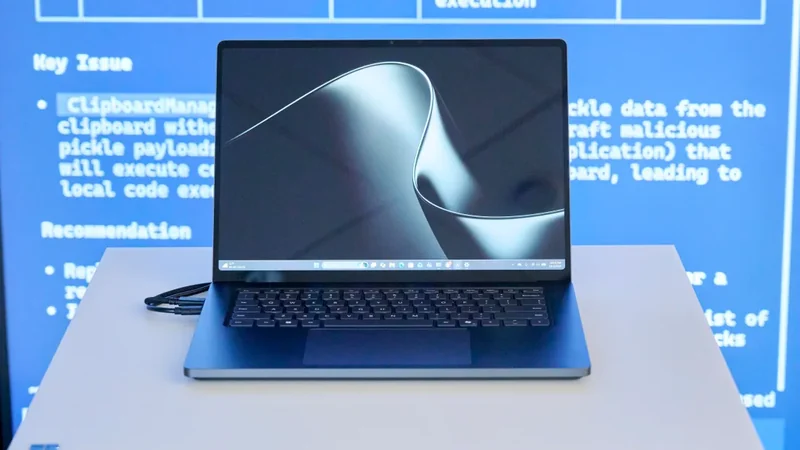
Microsoft Surface Laptop Ultra Review: A New Arm-Based Pro Rival
Explore the Microsoft Surface Laptop Ultra review, featuring Nvidia RTX Spark Arm chips, local AI models, 15-inch mini-LED touchscreen, and MacBook Pro-like design.
Microsoft Surface Laptop Ultra Review: RTX Spark Meets Design
Explore the new Microsoft Surface Laptop Ultra featuring Nvidia's RTX Spark platform, luxury design, robust ports, and Windows on Arm performance.
Amazon Echo Dot Max Named Best Alexa Speaker in WIRED Review
Discover WIRED's top-tested Alexa speakers for 2026, including the new Echo Dot Max, updated pricing details, and performance highlights.
Keurig Alta Review: New Tech and Coffee Pucks
Explore the Keurig Alta brewer, a new coffee machine featuring Wi-Fi connectivity, dual compartments, and compostable AltaRounds for espresso.