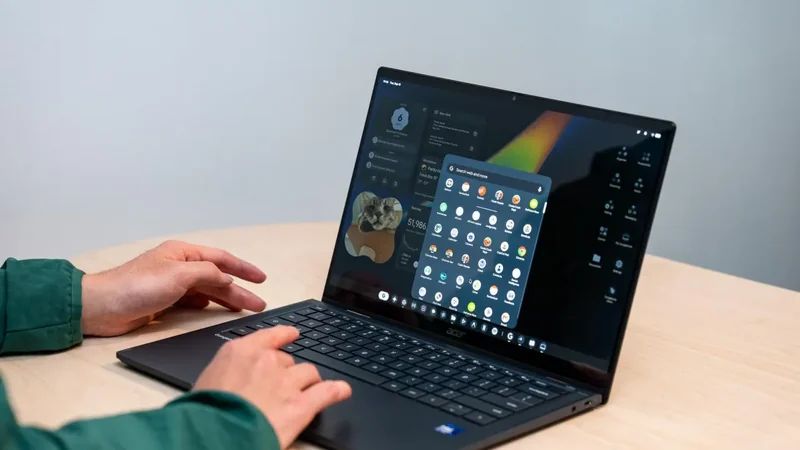
HP Googlebook 14 Review: Excellent Hardware, Flawed OS
HP's first Googlebook device delivers top-tier hardware craftsmanship, yet struggles to justify its $1,200 price point due to software restrictions.
 Radwan AbdulhadiEditor and technology writer
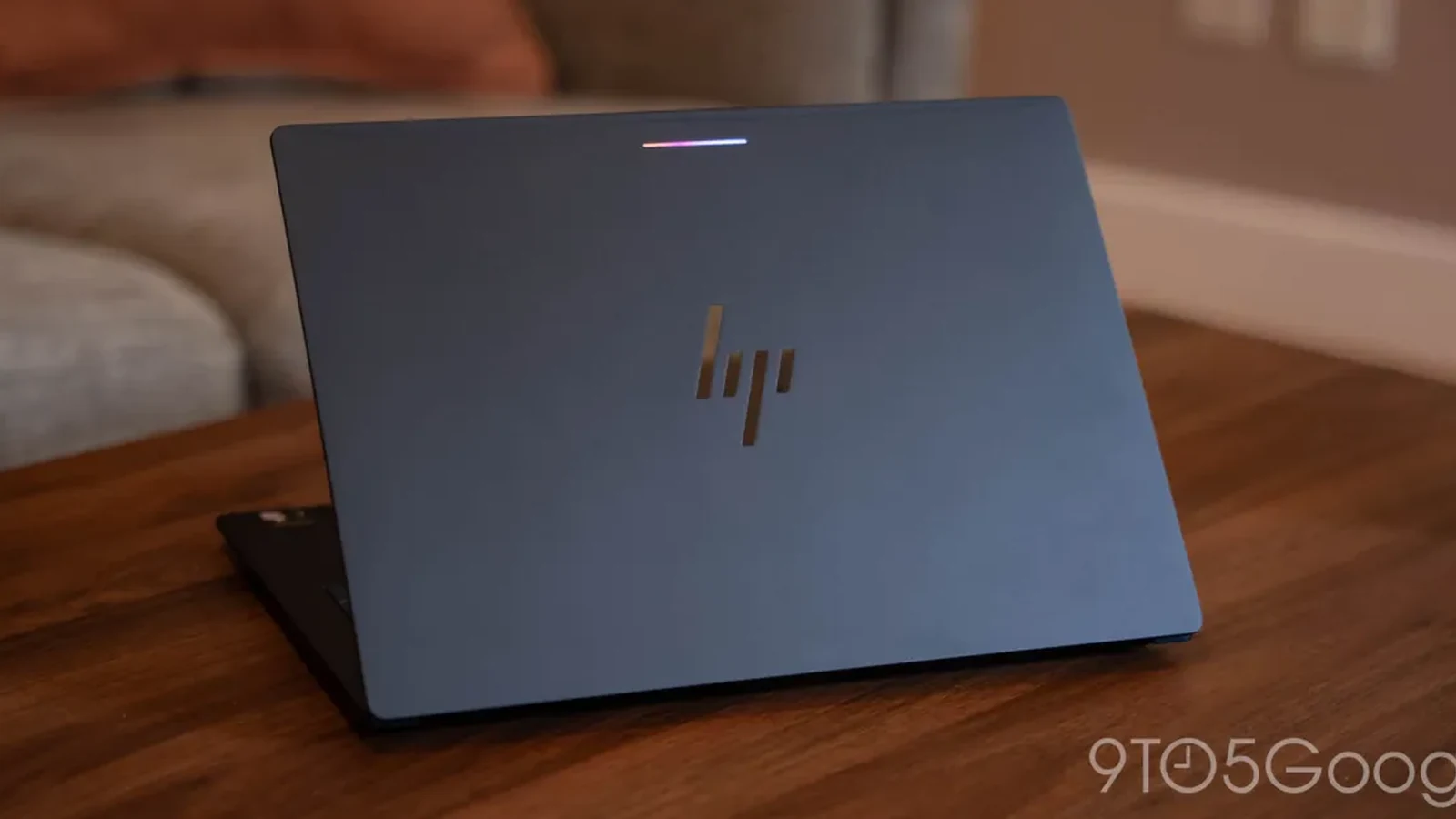
Hardware Design and Build Quality
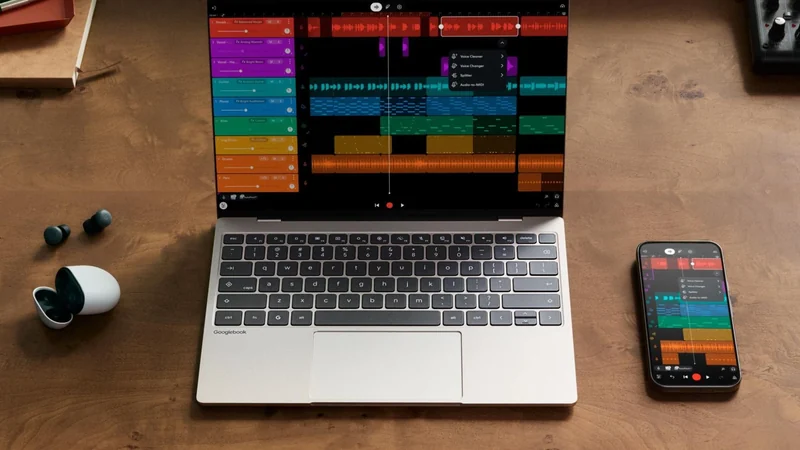
HP has entered the Googlebook market with a remarkably well-constructed machine in the HP Googlebook 14. Measuring just 10.9mm thick and weighing 2.74lbs, the sturdy aluminum chassis features minimal deck flex and sharp, practical corners on the underside that prop the laptop up for improved air circulation. A generous gap in the rear handles airflow while doubling as a convenient carrying handle when the device is closed.
The input devices represent a major triumph for the design team. Despite the slender profile, the keyboard delivers satisfying key travel, pleasant tactile feedback, and comfortable spacing accompanied by a reliable backlight. The mandated haptic trackpad is smooth and reliable, though its positioning immediately adjacent to the spacebar may require a brief adjustment period for certain users.
Display, Performance, and Battery Life
Visuals are anchored by a crisp, colorful 14-inch OLED panel. While the display provides adequate brightness for typical indoor environments, outdoor use in direct sunlight can prove challenging. Under the hood, performance is driven by a Snapdragon X Elite chip paired with 16GB of RAM, yielding near-instant boot times and snappy day-to-day operation.
Battery longevity matches typical Snapdragon Windows laptops, delivering solid standby performance alongside integrated Android-style battery usage statistics. Rapid charging support rounds out the package, giving users a modern, versatile power delivery experience that handles everyday charging bricks with ease.
Software Limitations and Operating System Concerns
Despite stellar physical construction, the overall user experience is heavily encumbered by the platform itself. Critics note that Googlebook OS inherits many of the same desktop-class software limitations seen in ChromeOS, compounded by a sharp regression in Linux application support. Without robust emulation tools or native desktop suites like Adobe, the ecosystem struggles to fill functionality gaps typically expected in professional workflows.
Google pitches the platform primarily as a laptop companion for Android devices, yet critics argue that this integration fails to justify the purchase of a standalone computer. Because smartphones already handle core mobile tasks, users generally expect a laptop to bridge functionality gaps that phones cannot cross on their own.
Market Position and Value Proposition
Priced around $1,200, the hardware faces steep competition from established operating systems. Reviewers observe that consumers can easily secure robust Windows laptops or MacBooks with significantly broader software compatibility for the same financial investment. Consequently, recommendations suggest holding off until the software matures or until the platform expands to less expensive hardware options.
Sources
- 9to5GoogleHP Googlebook 14 Review: Great laptop, shame about the OS
Continue chronologically

Related entity coverage
Related stories
Evaluating Googlebooks and the New Android Laptop OS
An evaluation of Googlebooks and the new Android-powered laptop operating system, examining hardware, setup, and current software limitations.
Google Unveils New Googlebook Laptop Lineup
Google launches a new series of premium laptops featuring a hybrid OS, deep Android integration, and advanced Gemini AI capabilities to rival Mac hardware.
Intel Googlebooks May Struggle With Some Android Apps
Google reveals that certain Android apps may face performance issues on Intel-based Googlebooks due to their original design for Arm chips.
Google Launches Android-Powered Googlebook Laptop Lineup
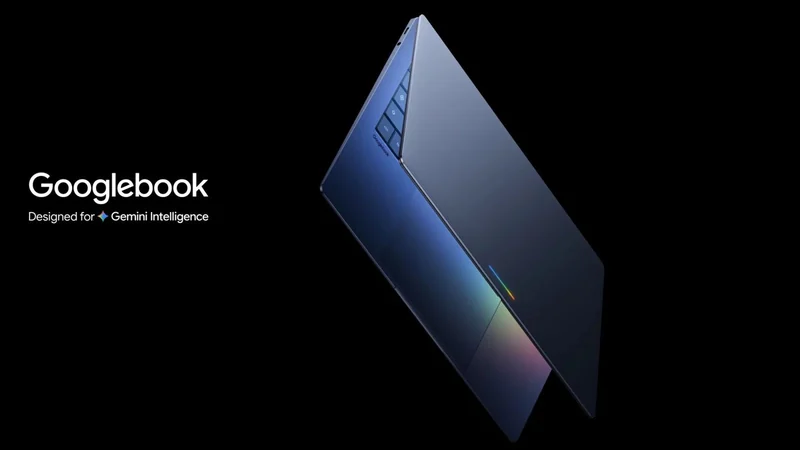
Google is introducing its new line of Android-based Googlebook laptops on October 4th, featuring deep mobile integration and Gemini AI capabilities.