How Overhead Projectors Transformed Classrooms and Learning
Originally utilized primarily for military purposes, the overhead projector transitioned into an essential piece of educational technology that permanently altered classroom dynamics.
 Radwan AbdulhadiEditor and technology writer
From Military Origins to the Modern Classroom
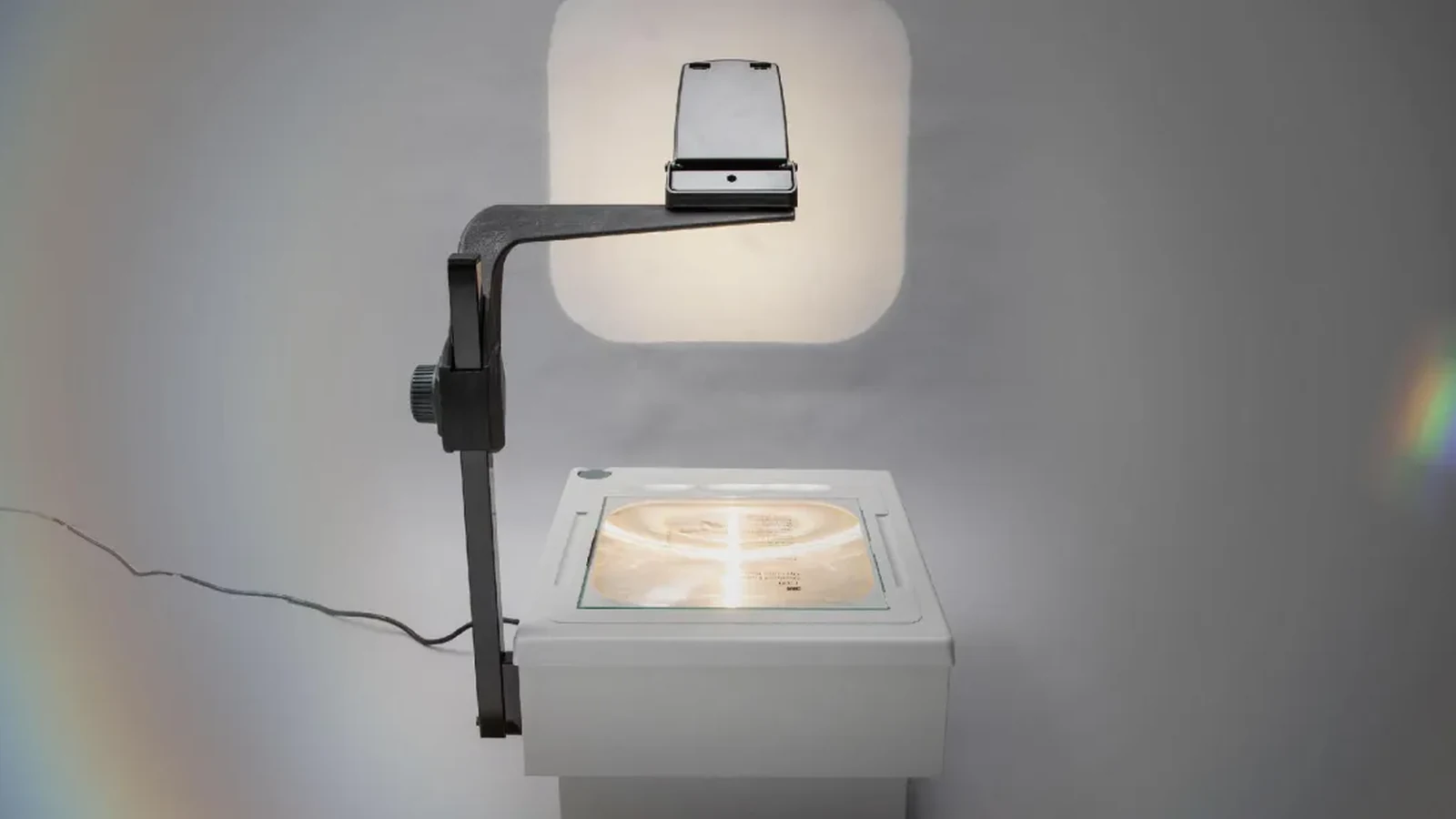
Before the widespread adoption of modern digital screens and smart boards, classrooms across the world relied on a fundamentally different kind of display technology. Originally developed and utilized primarily for military purposes, the overhead projector eventually made its way into educational institutions. This transition changed far more than just the disciplinary record of students everywhere. In earlier educational settings, it used to be remarkably easy for students to get away with disruptive behavior because the teacher was constantly turned around writing at the chalkboard.
The introduction of the overhead projector fundamentally altered this dynamic. Teachers no longer needed to turn their backs to the class for extended periods while writing notes or drawing diagrams. Instead, they could face their students while placing transparent sheets onto the illuminated glass surface of the machine. This shift in physical orientation reshaped classroom management, student engagement, and the overall pacing of daily instructional delivery across multiple generations of schooling.
Exploring Educational Technology History
The cultural and technological footprint of the overhead projector is the subject of detailed discussion in the latest media coverage. A comprehensive exploration of this iconic classroom tool can be found on an <a href="https://pod.link/1840983742">episode of Version History</a>, which examines how the device was developed, how it successfully integrated into schools, and how it dramatically altered the methods through which young people acquire knowledge.
During the podcast episode, David Pierce collaborates with Jake Kastrenakes and Stanford professor <a href="https://ed.stanford.edu/faculty/anterog">Antero Garcia</a> to trace the trajectory of the overhead projector. The panel analyzes the historical factors that allowed the equipment to become a fixture in nearly every educational institution for several decades before eventually being phased out in favor of newer digital alternatives.
Weighing Modern Replacements Against the Past
As educational environments shifted toward the twenty-first century, traditional overhead projectors began to disappear from schools. In their place came a wide variety of modern tools, ranging from traditional PowerPoint presentations and standard computer screens to advanced smart boards. Analysts and educators frequently debate whether these newer digital tools actually succeeded in improving upon the foundational utility offered by the original overhead projector.
While digital screens offer dynamic multimedia capabilities and connectivity, the simplicity and direct interaction of the overhead projector held unique pedagogical advantages. The ongoing discussion surrounding these technological transitions helps contextualize how modern classrooms continue to evolve in response to emerging hardware innovations and changing instructional requirements.
Part of a Broader Educational Technology Season
The exploration of the overhead projector marks the final installment in an extensive season dedicated to iconic school technology. Throughout the series, researchers and media creators have examined various products and programs that defined the educational experience for millions of students. This comprehensive look back includes iconic software and hardware milestones that shaped generations of learners.
Among the historical items covered in the broader media project are classic computing milestones such as <a href="https://www.theverge.com/podcast/995432/how-the-oregon-trail-became-a-generational-icon">Oregon Trail</a>, early portable computing hardware like the <a href="https://www.theverge.com/podcast/1001215/the-forgotten-chromebook-that-started-it-all">Chromebook</a>, and ambitious global initiatives like the <a href="https://www.theverge.com/podcast/1000517/why-olpcs-100-laptop-never-stood-a-chance">One Laptop Per Child</a> program.
Additional Historical Milestones in the Classroom
Beyond large display systems and classroom computers, the season also documented specialized educational devices that left a lasting mark on student life. This included interactive learning tools such as the <a href="https://www.theverge.com/podcast/1008578/leapfrog-leappad-technology-version-history">LeapFrog LeapPad</a>, which introduced children to digital reading and interactive audio learning long before modern tablets became ubiquitous in homes and schools.
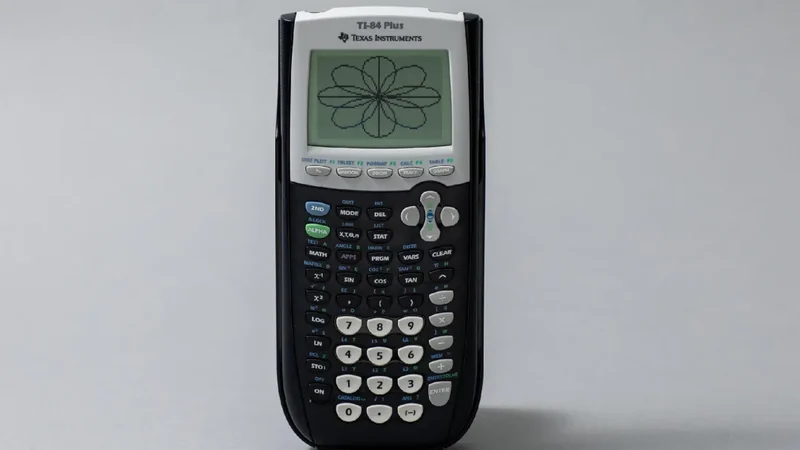
Mathematics classrooms experienced a parallel technological transformation through the widespread adoption of specialized computing hardware, notably analyzed through the history of <a href="https://www.theverge.com/podcast/997725/the-hidden-monopoly-behind-your-ti-graphing-calculator">Texas Instruments calculators</a>. These devices became mandatory fixtures for high school and university mathematics courses, establishing long-standing standards for student testing and calculation.
Following the Discussion Online
Audiences interested in following the ongoing series and exploring additional episodes can engage with the content across multiple digital channels. Listeners can find the complete audio catalog through <a href="https://pod.link/1840983742">The Version History podcast feed</a> or watch accompanying video segments directly on <a href="https://www.youtube.com/@VersionHistoryPodcast">The Version History YouTube channel</a> for visual retrospectives.
Furthermore, short-form clips and community discussions are actively maintained on platforms like <a href="https://www.tiktok.com/@versionhistorypodcast">TikTok</a>, allowing former students and technology enthusiasts to share their personal memories regarding overhead projectors and other vintage educational equipment.
Sources
- The VergeHow overhead projectors took over your classroom
Continue chronologically

Related stories
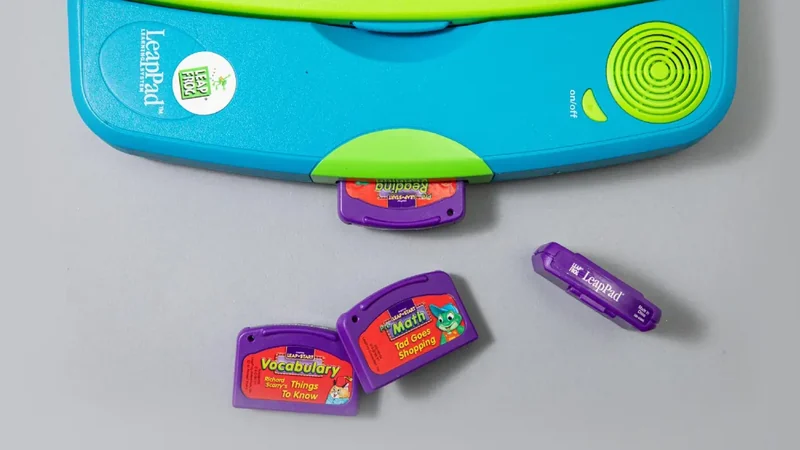
Why the LeapPad Couldn't Survive the iPad
Explore the history of the LeapFrog LeapPad, how a smart book became a top-selling toy, and why it struggled to keep up with the iPad.
Texas Instruments: The Persistent Monopoly in Modern Education
An exploration of how Texas Instruments maintained a decades-long dominance in the educational calculator market, as discussed on Version History.
Squarespace Lays Off 19% of Workforce in Restructuring
Website builder Squarespace is cutting about 19% of its global workforce, affecting around 300 employees as part of an organizational restructuring.

Windows 11 Tests New Shortcuts and Search Features
Microsoft is testing new Windows 11 Insider builds featuring Xbox gaming mode shortcuts, comprehensive search filters, and phone controls.