Asus ROG Strix XG27AQGNV Review: 360 Hz G-Sync Pulsar
Asus introduces its latest gaming display featuring Nvidia's G-Sync Pulsar technology, offering high refresh rates and fine-tuned motion control on an IPS panel.
 Radwan AbdulhadiEditor and technology writer
Overview and Display Specifications
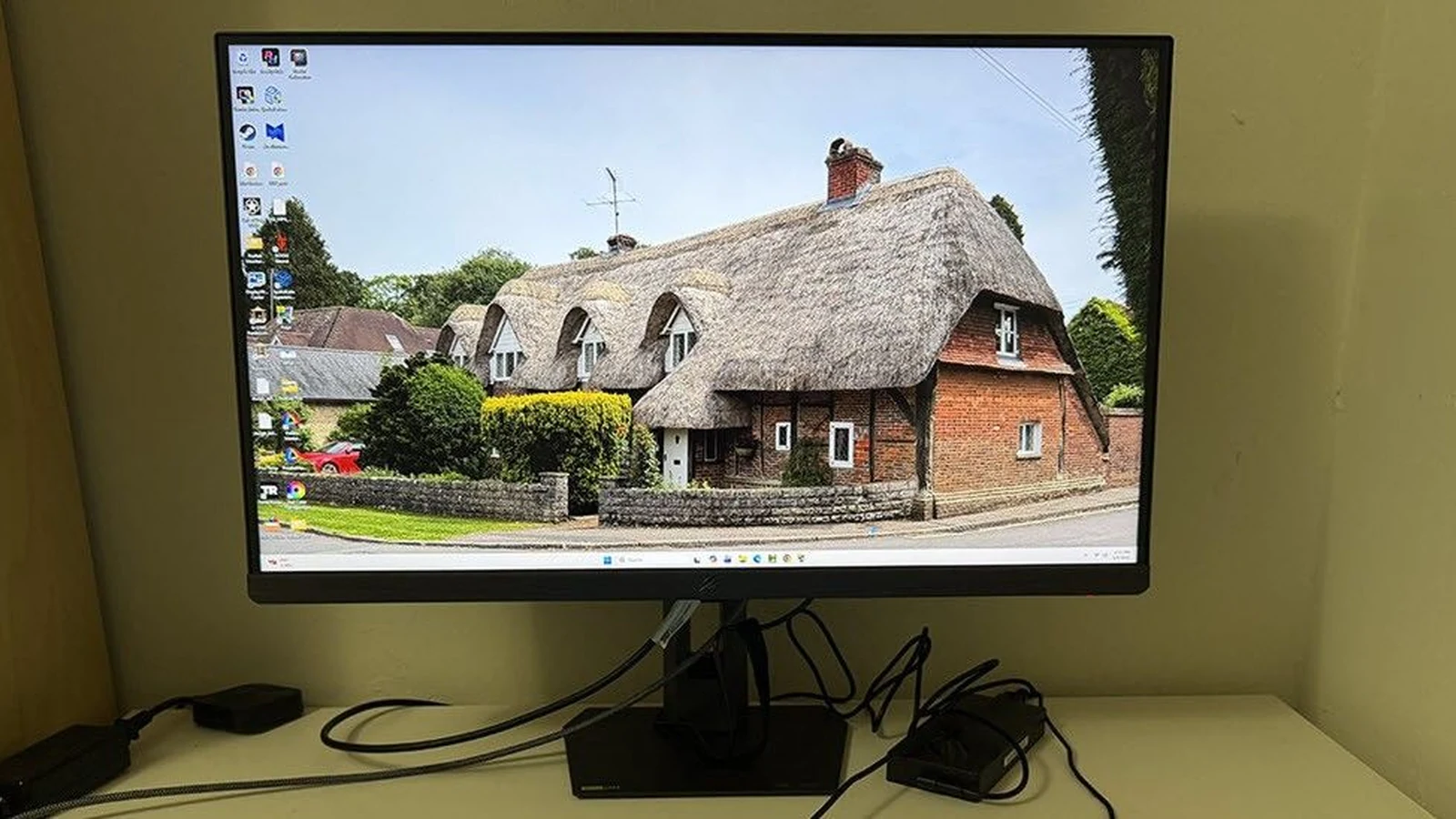
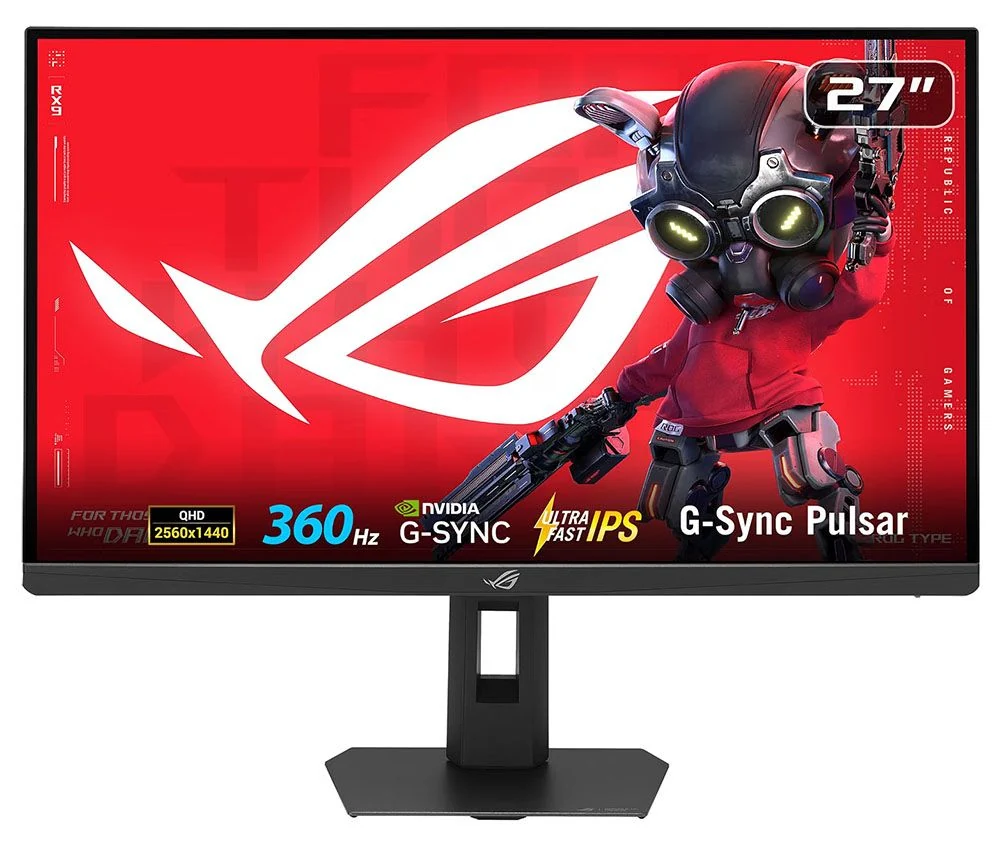
Asus has expanded its hardware lineup with the ROG Strix XG27AQGNV, bringing Nvidia's advanced motion-handling technology to a 27-inch form factor. Evaluated thoroughly in recent testing on <a href="https://www.tomshardware.com/monitors/gaming-monitors/asus-rog-strix-xg27aqgnv-27-inch-g-sync-pulsar-gaming-monitor-review">Tom's Hardware</a>, this display incorporates an Ultra-Fast IPS panel operating at a QHD resolution of 2560x1440 and a maximum refresh rate of 360 Hz.
Positioned under the ROG Strix family, the monitor aims to deliver high-tier gaming performance while remaining distinct from the more expensive ROG Swift line. The inclusion of G-Sync Pulsar allows the device to sync its LED backlight array in real time with the frame rate, achieving high motion clarity similar to an OLED display without suffering typical strobing brightness penalties. Further details are available from Find out more about how we test in the original source material.
Performance and Motion Handling
Traditional LCD monitors combat motion blur through high refresh rates, panel overdrive, or backlight strobing that typically diminishes light output. G-Sync Pulsar handles this challenge differently by synchronizing the backlight with variable refresh rates while integrating low frame rate compensation to prevent flicker during performance drops.
While testing alternative high-speed screens like the <a href="https://www.tomshardware.com/monitors/gaming-monitors/acer-predator-xb273u-f5-27-inch-qhd-360-hz-gaming-monitor-review/5">Acer XB273U F5</a>, reviewers noted that G-Sync Pulsar fundamentally changes how LCD panels manage fast-moving objects. When users prefer traditional configuration options, the Asus display also supports standard overdrive with three presets alongside a user-controlled 400-step precision slider for managing overshoot.
Color Accuracy and Calibration Tools
In terms of color reproduction, the ROG Strix XG27AQGNV operates as an sRGB-plus display, covering roughly 120% of the sRGB spectrum rather than full coverage of the <a href="https://www.tomshardware.com/reference/what-is-dci-p3-color-a-basic-definition">DCI-P3</a> color space. Although its color gamut is somewhat narrower than select competing high-speed monitors, the display compensates with advanced calibration capabilities.
The OSD provides granular customization options, including a gamma control system allowing luminance curve adjustments in 0.01 increments rather than rigid traditional presets. Users can also configure color temperature using precise RGB sliders and adjust screen brightness directly in nits.
Ergonomics, Design, and Connectivity
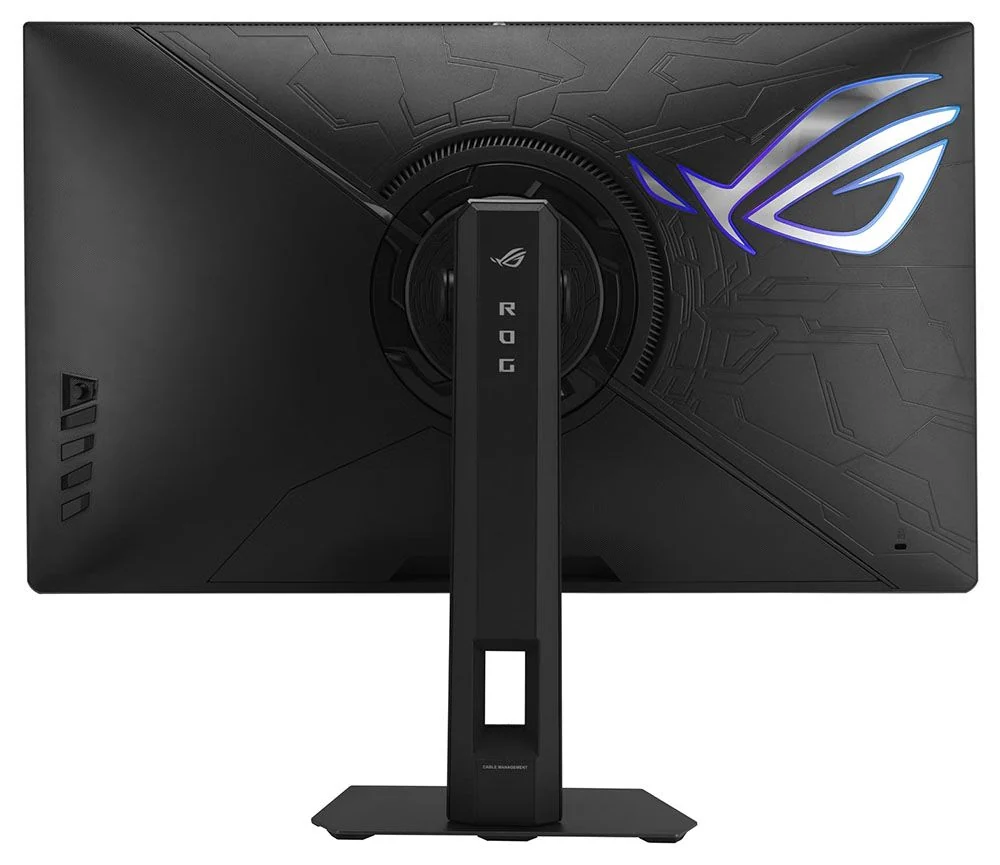
The physical build of the monitor includes a solid metal base plate with a stable footprint and a pre-attached upright featuring an integrated cable management hole. Ergonomic adjustments comprise a 4.25-inch height range, 45-degree swivel, 90-degree portrait mode, and 5 to 20 degrees of tilt. A top-mounted ambient light sensor automatically manages screen brightness and color temperature, while an integrated quarter-inch threaded socket accommodates peripherals such as webcams.
Connectivity options are securely housed behind a snap-on plastic cover and recessed panel. The I/O layout consists of DisplayPort 1.4 with Display Stream Compression, two HDMI 2.1 ports, a 3.5mm headphone jack, a USB-B upstream port, and three USB-A downstream ports.
Additional Features and OSD Controls
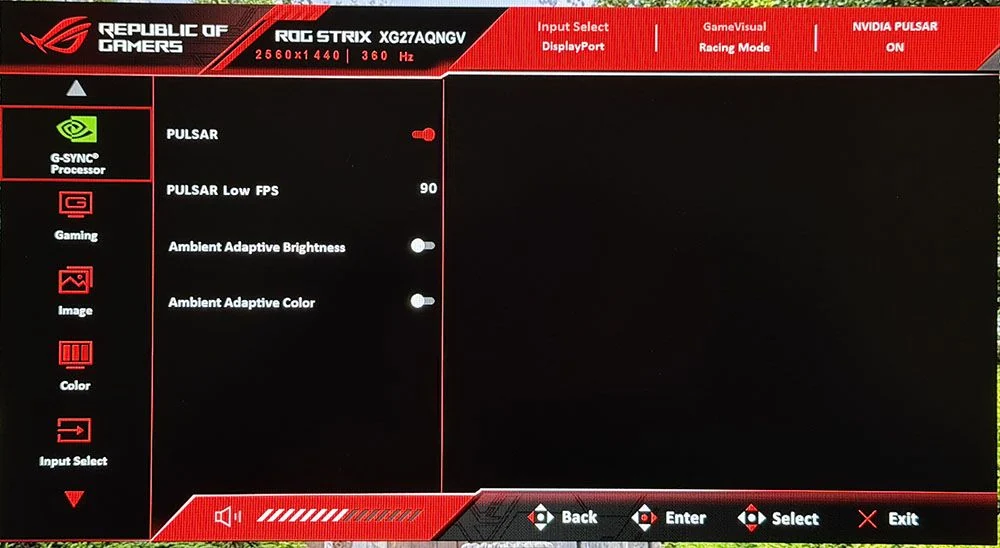
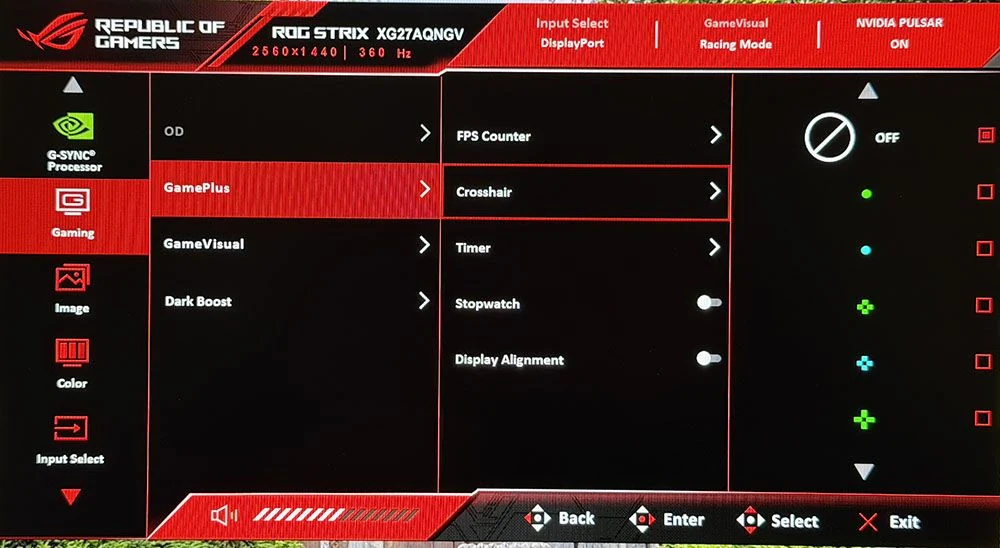
The monitor's on-screen display is navigated via a rear joystick and three control keys, supplemented by a power toggle. Asus integrated several GamePlus features, such as custom aiming points, frame counters, timers, stopwatches, and alignment marks, along with six preset picture modes including sRGB and G-Sync Esports.
Aesthetic customization is supported through an Aura RGB-compatible backlit ROG logo on the tapered rear panel. For buyers exploring alternatives to <a href="https://www.tomshardware.com/monitors/gaming-monitors/best-oled-gaming-monitors">best OLED gaming monitors</a>, the Asus ROG Strix XG27AQGNV provides an LCD-based alternative focused on high-speed responsiveness and precision control.
Sources
- Tom's HardwareAsus ROG Strix XG27AQGNV 27-inch G-Sync Pulsar gaming monitor review: Super smooth with unprecedented control
Continue chronologically


Related entity coverage
Related stories
Nvidia RTX Spark Laptop Pre-Orders Begin From $2,599
Pre-orders for Nvidia RTX Spark devices are live, featuring models from Asus, Microsoft, HP, Lenovo, and Dell starting at $2,599 ahead of shipping on October 16.

ASUS ProArt P16 Review: A Sleek Showcase For NVIDIA's RTX Spark
The ASUS ProArt P16 serves as a sleek showcase for NVIDIA's RTX Spark platform, delivering powerful local AI performance at a premium price.
Nvidia RTX Spark Laptops Launch With Devices From Major Brands
Nvidia RTX Spark laptops are officially on sale from brands like Microsoft, Asus, HP, Lenovo, and Dell, with prices starting at $2,599.

Nvidia RTX Spark Laptops Launch With Prices Reaching $7,000
Discover the pricing and specifications of the new Nvidia RTX Spark laptops from Dell, Lenovo, MSI, HP, and Asus, launching as early as October 16th.