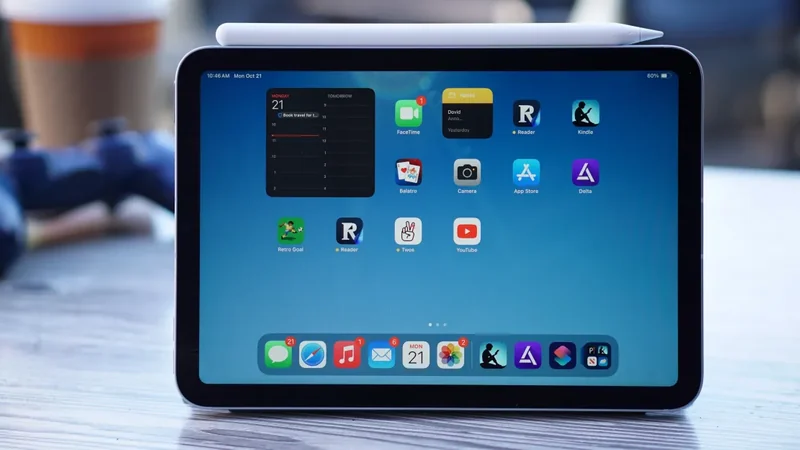
Why the LeapPad Couldn't Survive the iPad
A recent podcast episode explores how the LeapPad became one of the top-selling toys in the United States and why its maker struggled to follow up on its success.
 Radwan AbdulhadiEditor and technology writer
The Rise of a Smart Reading Toy
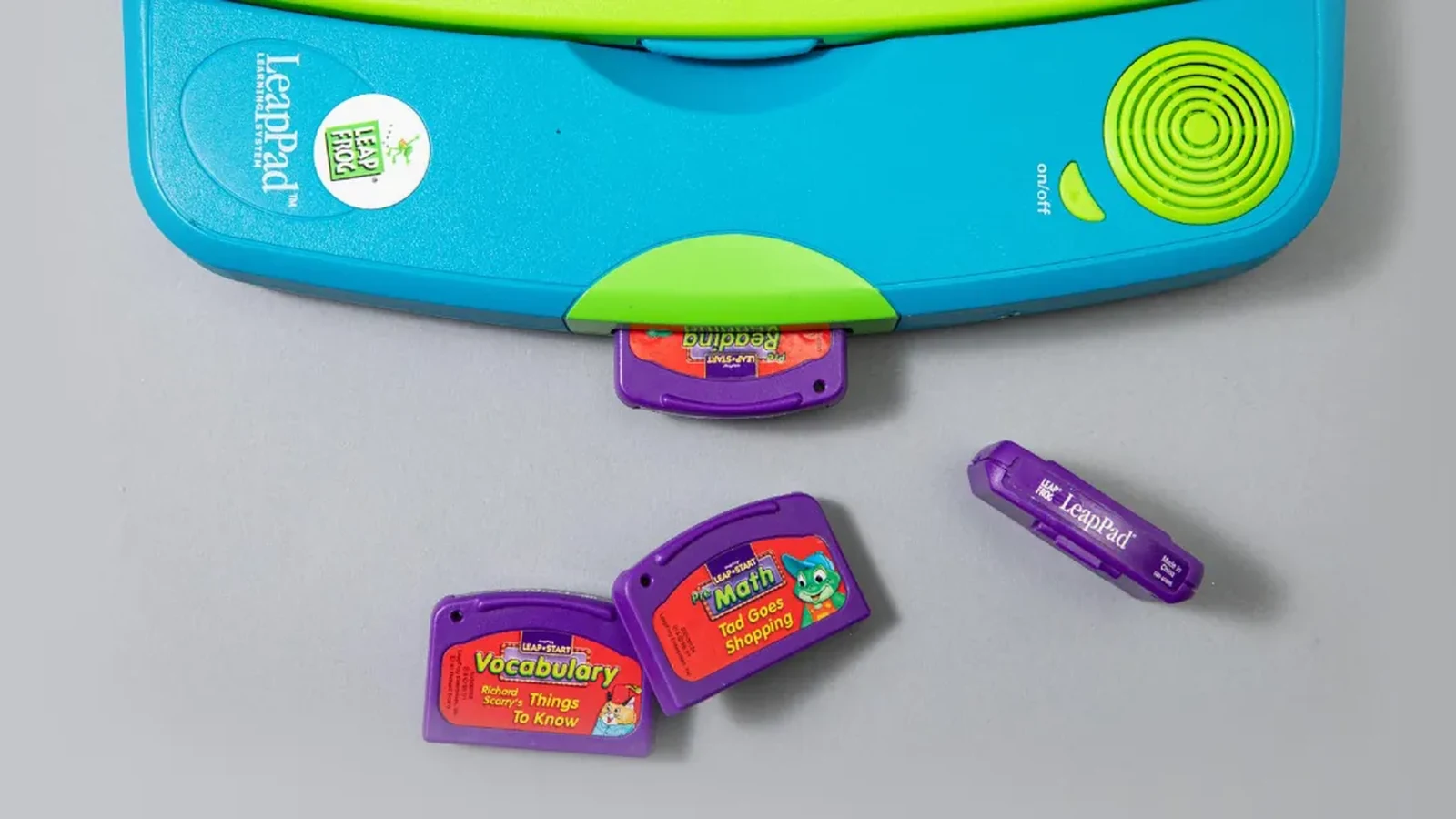
For multiple years, one of the hottest and best-selling toys in the United States was a book. However, this was not an ordinary book; it was a smart interactive device designed to play sounds, respond to physical taps, and help children learn how to read. The product captured the attention of both children and adults, eventually becoming a massive commercial success that challenged how parents thought about technology in the home.
Despite its popularity, purchasing the device came with a high financial cost alongside complex parenting questions regarding screen time and early childhood technology exposure. To explore how the product worked and why it became so enticing, the discussion is featured on the latest episode of [Version History](https://pod.link/1840983742).
Inside the Podcast Discussion
On the upcoming episode, host David Pierce is joined by journalists Andru Marino and Jennifer Pattison Tuohy to break down the mechanics behind the LeapFrog LeapPad. The conversation details how the system operated, the reasons behind its widespread appeal, and the difficulties the company faced in attempting to follow up on its runaway success.
The episode forms part of a dedicated season focusing on iconic school and learning technology. Listeners can find more background information on the device's market path by reviewing archival reports, such as the piece published by The New York Times titled [LeapFrog Hopes for Next Hit With Interactive Reading Toy](https://www.nytimes.com/2008/01/28/technology/28leapfrog.html).
Evaluating Educational Technology Evolution
As educational technology evolved throughout the 2000s and early 2010s, companies like LeapFrog attempted to adapt to changing consumer expectations. The transition from dedicated electronic learning toys to multi-purpose consumer tablets presented considerable strategic hurdles for traditional toy manufacturers.
Additional historical perspective on how children's technology shifted during this era can be examined through industry analyses, including reporting from the Wall Street Journal covering the evolution of child-friendly devices in the article [A Tablet Children Can Grow Into](https://allthingsd.com/20110913/a-tablet-children-can-grow-into/).
Accessing the Podcast Series
The fifth season of the podcast series has covered several iconic pieces of educational and consumer technology, ranging from graphing calculators to early laptops. Individuals wishing to listen to the analysis without interruptions can review the instructions provided to [get access to Version History](https://www.theverge.com/bulletin/795051/verge-podcast-ad-free-set-up-how-to) through a subscription.
Subscribers can also manage their playback preferences and subscriber-only feeds by navigating directly to [visit your account settings](http://theverge.com/account/podcasts?_gl=1*16vcfij*_ga*OTAwMzUyLjE3NDU5MzQ4MTg.*_ga_9GXHZT6RVE*czE3NjgxMzkyMDMkbzI3NCRnMSR0MTc2ODEzOTMwMSRjNDkkbDAkaDAkZEVrd3AyZ2pzZHdDeEc2OE5RM0NFS3hmMVlwZU9QVi1XLXc.).
Sources
- The VergeWhy the LeapPad couldn’t survive the iPad
Continue chronologically
Related entity coverage
Related stories
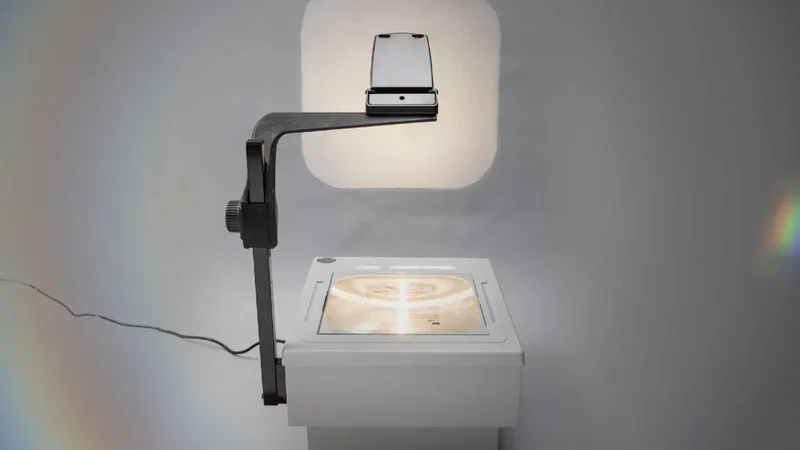
How Overhead Projectors Transformed Classrooms and Learning
Explore the history of the overhead projector, a military technology that became a ubiquitous classroom fixture, changing how students learned.
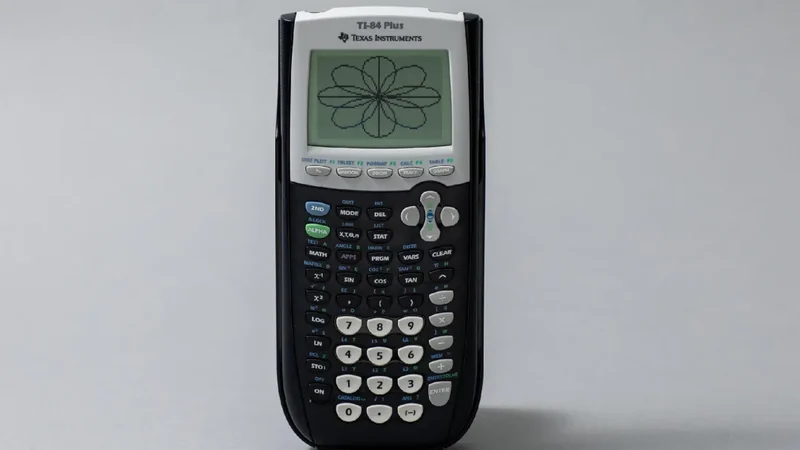
Texas Instruments: The Persistent Monopoly in Modern Education
An exploration of how Texas Instruments maintained a decades-long dominance in the educational calculator market, as discussed on Version History.
Squarespace Lays Off 19% of Workforce in Restructuring
Website builder Squarespace is cutting about 19% of its global workforce, affecting around 300 employees as part of an organizational restructuring.

Apple iPad Mini Discounted by $100 Ahead of Prime Day
Ahead of Amazon's October Prime Big Deals Days, both Wi-Fi and cellular models of the Apple iPad Mini are receiving a $100 discount.