
Texas Instruments: The Persistent Monopoly in Modern Education
For over two decades, the Texas Instruments graphing calculator has been a fixture on back-to-school lists. A new deep dive explores the history and implications of this market dominance.
 Radwan AbdulhadiEditor and technology writer
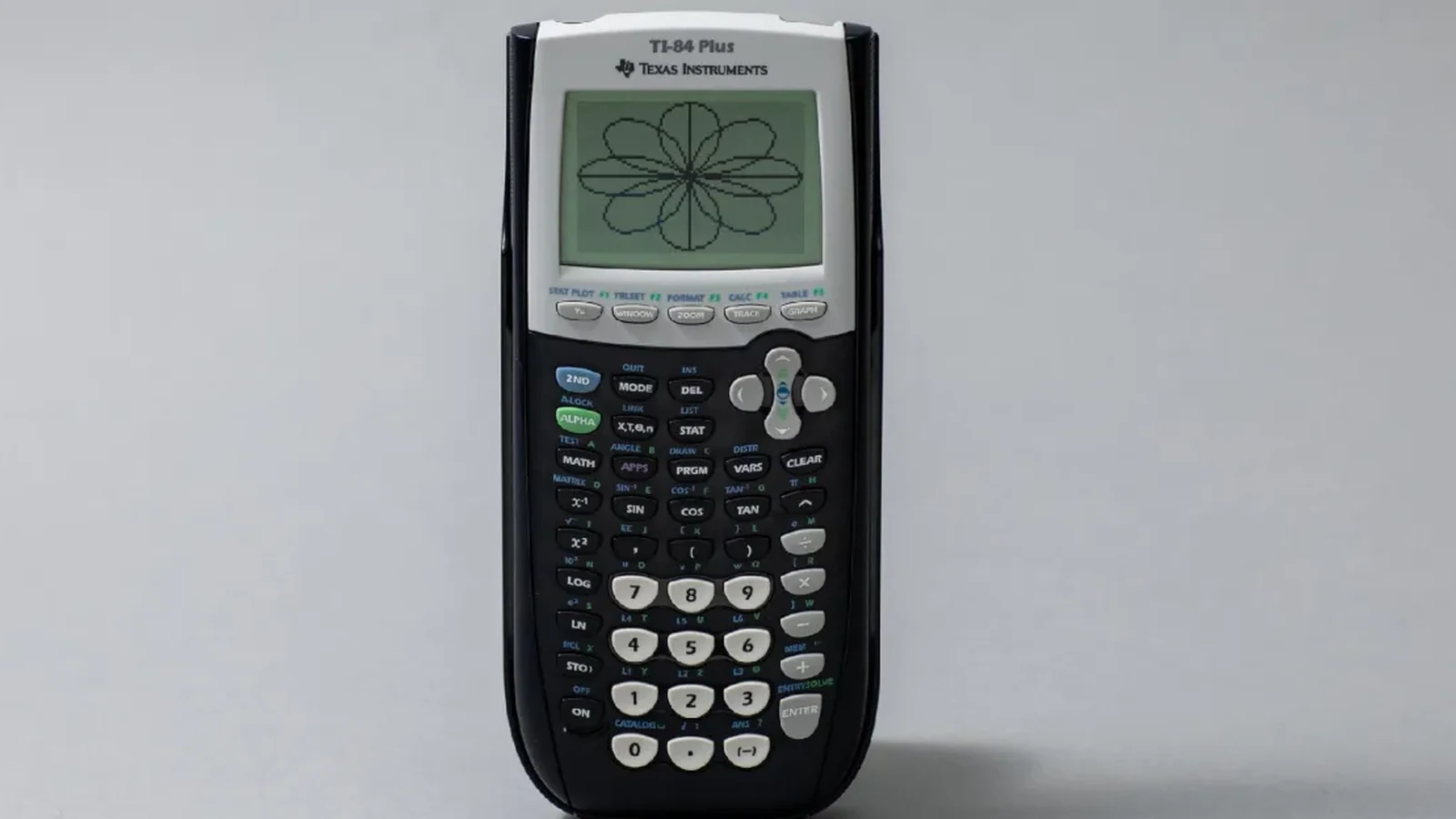
The Legacy of a Classroom Staple
For generations of students, the start of the academic year has been defined by a specific item on the shopping list: a Texas Instruments graphing calculator. While the technology landscape has shifted dramatically since the turn of the millennium, the presence of these devices in classrooms remains remarkably consistent. In the latest episode of [Version History,](https://pod.link/1840983742) hosts David Pierce, Nilay Patel, and Victoria Song delve into the origins of this hardware dominance and the cultural footprint these devices have left behind.
The ubiquity of these calculators is not a recent development. The company’s influence on the educational sector spans decades, arguably reaching a point of institutional entrenchment that few other consumer electronics companies have managed to replicate. By examining [The Verge](https://www.theverge.com/podcast/997725/the-hidden-monopoly-behind-your-ti-graphing-calculator) podcast coverage, it becomes clear that the narrative is as much about the evolution of classroom tools as it is about a singular corporate strategy that successfully cornered a captive market.
A Historical Perspective on Educational Tech
The current investigation into Texas Instruments is part of a broader retrospective on educational technology hosted by the [Version History podcast feed](https://pod.link/1840983742). The season explores the various digital tools that have defined the student experience, ranging from the nostalgic, perilous journeys of [The Oregon Trail](https://youtu.be/vtAbRViuHog?si=wCywFljuVbSPD-Dw) in school computer labs to the more structural shifts involving Chromebooks and the One Laptop Per Child initiative.
The historical context of these tools is essential to understanding the current landscape. As far back as the mid-1980s, authorities were already [State adding a tool for 8th grade math](https://www.nytimes.com/1986/08/31/nyregion/state-adding-a-tool-for-8th-grade-math.html) to the curriculum, laying the groundwork for the integration of specialized computing hardware. Texas Instruments capitalized on this shift, positioning its calculators not just as luxury items, but as essential academic infrastructure that students were essentially required to own.
Economic and Educational Implications
The persistence of the Texas Instruments graphing calculator has been the subject of significant analysis, particularly regarding how it maintains its market lead despite the rapid advancement of mobile and web-based alternatives. A key article, [TI’s Calculator Monopoly Offers Lessons for Educators in the Age of Generative AI,](https://www.promarket.org/2024/04/08/tis-calculator-monopoly-offers-lessons-for-educators-in-the-age-of-generative-ai/) highlights the parallels between the calculator era and the current challenges posed by AI in schools. The central argument is that the company’s ability to remain the standard-bearer for mathematics education provides a case study in how technology can become locked into educational standards.
Industry observers often point to the high price of these units, yet the market has remained remarkably resistant to disruption. By embedding their products into the very testing and curriculum standards that schools use, the company has created a barrier to entry that competitors have struggled to overcome for years. This strategic positioning has sparked debates among educators regarding the cost-to-value ratio of requiring such expensive, specialized hardware when more versatile computing options exist.
Engagement Through Digital Media
To reach a modern audience, the team behind the analysis has expanded its presence across several platforms. Listeners and readers interested in following the ongoing series can engage with the content through the [The Version History YouTube channel](https://www.youtube.com/@VersionHistoryPodcast), as well as short-form content hosted on [TikTok](https://www.tiktok.com/@versionhistorypodcast) and [Instagram](https://www.instagram.com/versionhistorypodcast). These channels serve to extend the conversation beyond audio and text, allowing for a broader discussion about the tools that shaped the modern educational journey.
For dedicated listeners looking to access the full catalog or obtain ad-free versions of the podcasts, listeners can [get access to Version History](https://www.theverge.com/bulletin/795051/verge-podcast-ad-free-set-up-how-to) through specialized subscription platforms. Users interested in managing their listening experience can [visit your account settings](http://theverge.com/account/podcasts?_gl=1*16vcfij*_ga*OTAwMzUyLjE3NDU5MzQ4MTg.*_ga_9GXHZT6RVE*czE3NjgxMzkyMDMkbzI3NCRnMSR0MTc2ODEzOTMwMSRqNDkkbDAkaDAkZEVrd3AyZ2pzZHdDeEc2OE5RM0NFS3hmMVlwZU9QVi1XLXc.) to customize their preferences and stay updated on upcoming episodes that cover the evolving landscape of technology in our schools.
Sources
- The VergeThe hidden monopoly behind your TI graphing calculator