Xeal Plans 100,000 Nvidia GPUs for EV Charging Sites
EV charging company Xeal is leveraging its existing infrastructure to roll out roadside computing pods equipped with Nvidia GPUs, aiming to deliver low-latency edge inference compute.
 Radwan AbdulhadiEditor and technology writer
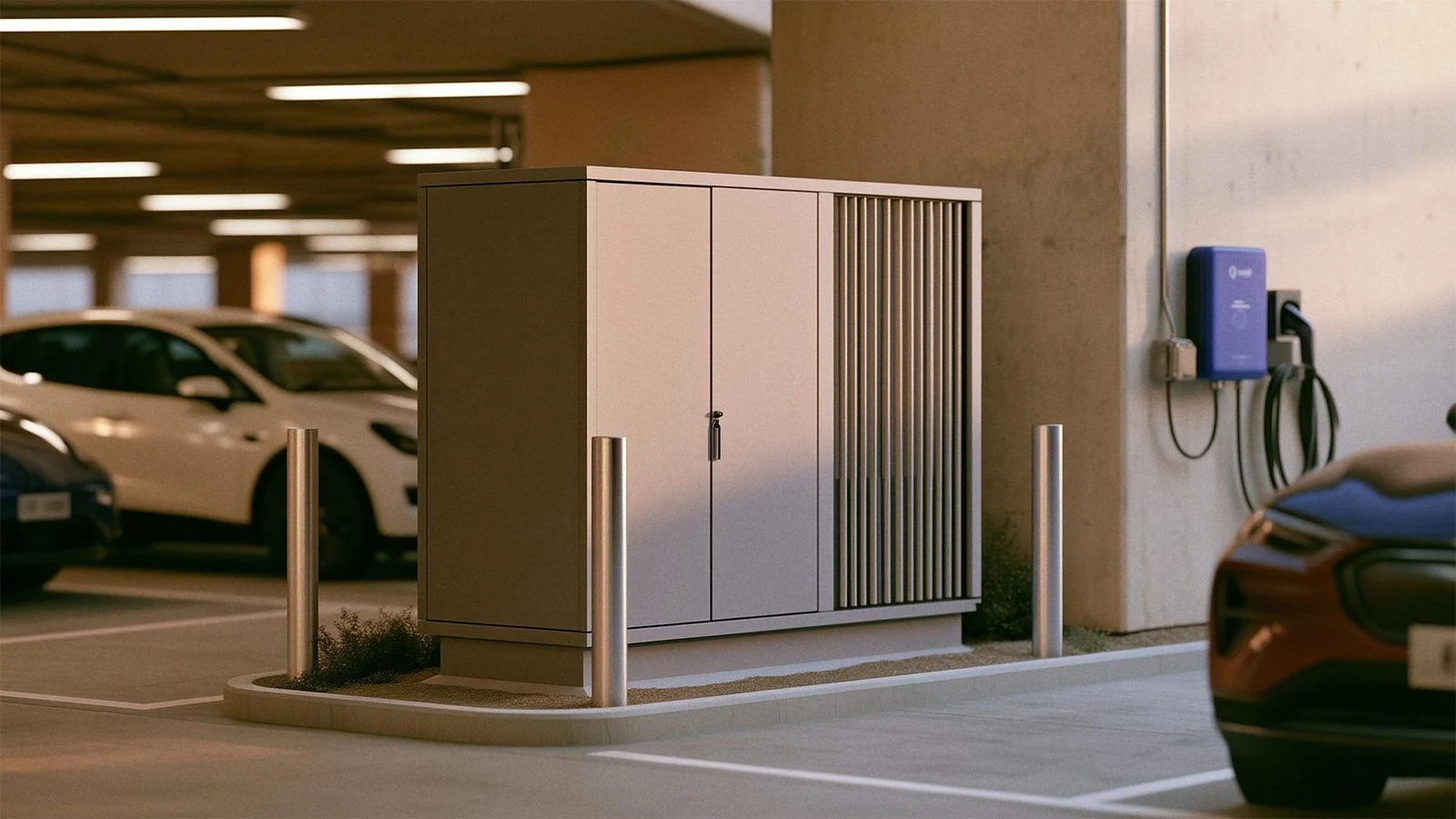
Deploying GPUs at EV Charging Sites
Electric vehicle charging firm Xeal has announced plans to utilize its existing U.S. network to build what it describes as the world's first edge inference compute network using idle EV charging capacity. As detailed by [Tom's Hardware](https://www.tomshardware.com/tech-industry/data-centers/ev-charging-company-plans-to-deploy-100-000-nvidia-gpus-in-pods-at-its-roadside-sites-across-the-us-aims-to-offer-worlds-first-edge-inference-compute-network-using-idle-ev-charging-capacity), the company already operates over 1,600 locations and boasts 200MW of permitted, installed electrical infrastructure. By capitalizing on this footprint, Xeal aims to deploy more than 100,000 Nvidia graphics processing units across these roadside sites.
To achieve this massive deployment, the company has developed specialized enclosures known as [Latient Pods](https://www.businesswire.com/news/home/20260918640145/en/Xeal-to-Launch-Laitent-Worlds-First-Edge-Inference-Compute-Using-Idle-EV-Charging-Capacity). Each of these outdoor-ready cabinets can house up to 48 Nvidia Hopper or Blackwell Ultra GPUs. Because EV charging stations typically operate at less than 10% of their permitted capacity, the project seeks to monetize grid-connected energy that would otherwise remain idle.
Infrastructure and Speed Advantages
Nikhil Bharadwaj, co-founder and CEO of [Xeal](https://www.businesswire.com/news/home/20260918640145/en/Xeal-to-Launch-Laitent-Worlds-First-Edge-Inference-Compute-Using-Idle-EV-Charging-Capacity), stated that these hardware pods provide a rapid method to bring new compute online while traditional data centers are still under construction. Grid interconnect is widely considered one of the primary bottlenecks for new computing facilities. By placing processors directly into metropolitan areas using pre-existing charging sites, the company can deliver processing power distributed across cities without requiring complex new grid connections.
Furthermore, the initiative relies on what is referred to as Metro Edge positioning. According to the firm's projections, placing computing nodes closer to population centers achieves sub-20ms latency, offering a noticeable speed improvement compared to processing tasks inside distant, centralized data centers. An Nvidia representative also praised the upcoming network for utilizing existing infrastructure to bring low-latency inference closer to everyday users.
Pod Specifications and Site Integration
Renderings and technical outlines show that a single Latient Pod visually resembles a street-side broadband fiber cabinet. Built to withstand outdoor environments within a NEMA 4 enclosure, each unit features self-contained independent cooling systems that eliminate the need for water hookups. Additionally, the pods are designed to operate quietly at under 65 decibels, which is comparable to the noise level of a standard washing machine.
For site owners and property managers, the deployment model offers fixed rental or ancillary revenue streams. Xeal states that hosting a pod can add up to $1 million in property value with minimal investment, while all associated power bills are covered as a tenant pass-through expense. With more than 1,600 locations currently in its network, hitting the target of 100,000 installed GPUs implies that certain sites will host multiple pods, or that the firm will expand its total site count closer to 2,100 locations.
Security Challenges and Deployment Timeline
Despite the ambitious engineering goals, the rollout raises security questions regarding roadside electronics. EV charging stations have already experienced a wave of thefts targeting copper cables for scrap value. Industry observers point out that protecting cabinets stuffed with up to 48 high-end processors—with valuation estimates reaching into the millions of dollars per pod—will demand robust physical security measures.
Nevertheless, the program is moving forward quickly. Xeal has confirmed that the first Latient Pod is scheduled to go online before the end of the year, marking the initial step toward establishing its distributed roadside computing network across the United States.
Sources
- Tom's HardwareEV charging company plans to deploy 100,000 Nvidia GPUs in pods at its roadside sites across the US
Continue chronologically

Related entity coverage
Related stories
NVIDIA GPUs Power OpenAI’s GPT-6 Astra Ultrafast Launch
GPT-6 Astra Ultrafast is now available, delivering up to 8x faster token generation on NVIDIA Blackwell GPUs for developers and enterprise users.
Modder Fixes RTX 5090 Power Connector With Custom Distributor
A clever hardware modder has created a custom power distributor fix for overheating RTX 5090 graphics card connectors, achieving low temperatures under stress.
NVIDIA AI Factories Maximize ROI Through Productivity and Durability
NVIDIA details how AI factories maximize return on investment by delivering high throughput, extending hardware useful life, and supporting diverse workloads.
Egypt’s AI Ecosystem Transitions from Enablement to Execution
Egypt’s AI sector achieves production-scale growth as developers and enterprises leverage new local infrastructure and increased regional investment.