Data Center Gear Hijacked in Transit Totaling Millions
Organized crime networks are increasingly intercepting valuable data center shipments in transit, utilizing advanced tactics such as account hacking, GPS spoofing, and physical ramming to steal millions of dollars in hardware.
 Radwan AbdulhadiEditor and technology writer

The Scale of Transit Interceptions
Organized crime teams have increasingly targeted data center equipment while in transit, stealing tens of millions of dollars per shipment in what has evolved into a massive cargo theft trend. According to details shared in an <a href="https://www.nbcnews.com/tech/security/grand-theft-ai-highway-thieves-are-stealing-millions-data-center-gear-rcna603733">extensive report</a>, over $100 million worth of computing and related hardware has been stolen through transit interception since June 2026 alone.
The problem has escalated over the past few years, highlighted by major incidents such as a single theft in Reno that saw $38 million in gear disappear. Data compiled by <a href="https://fortune.com/2026/07/03/organized-crime-cargo-theft-economy-ai-infrastructure-data-center-black-market/">got nabbed</a> notes that $15 million of semiconductors and Apple products were taken in the same city in July 2025. Meanwhile, the month of June 2026 yielded significant payouts for thieves, including $13 million of equipment taken near the Mojave Desert and $10 million worth of server rack components bound for Texas.
Types of Stolen Equipment
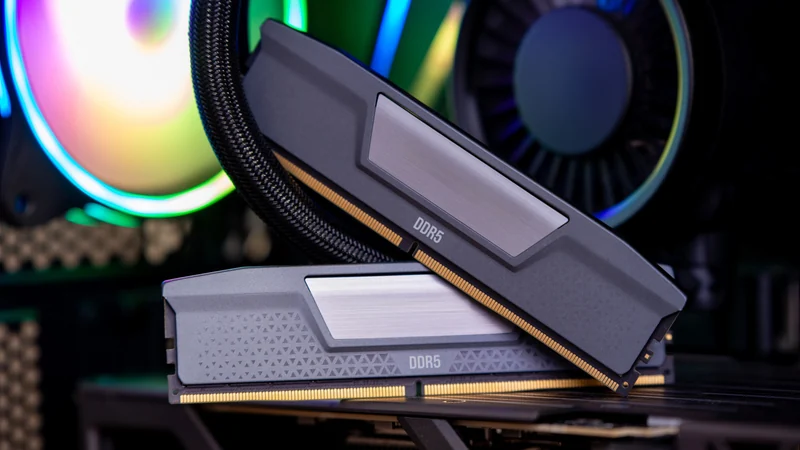
The targeted hardware spans a wide variety of essential infrastructure components necessary for modern computing and AI buildouts. Among the stolen inventory are enterprise servers, fiber-optic cables, copper cabling, RAM modules, network drives, and routers.
Even raw materials like copper wire have become prime targets due to their high market value. In one specific instance, a single snagged trailer carried $300,000 worth of the precious metal. Keith Lewis from Verisk Cargonet described the situation by stating that stealing these shipments is "like stealing pure gold bars" and noting that it is much easier to execute than robbing a bank.

Sophisticated Methods and Technology
The heists combine technological sophistication with physical force. Perpetrators frequently compromise the online accounts of freight brokers and carriers to access sensitive cargo manifests and shipping schedules. This digital access allows thieves to impersonate legitimate shipping companies, track active shipments, issue false pickups, and ultimately intercept trucks carrying high-value assets.
Physical tactics are equally coordinated. In certain recent cases, criminals used vehicles to ram escort cars, clearing a path for transport trucks to make a clean escape. Security analysts suggest these drivers may be complicit, aided by the use of AI-generated IDs and inadequate personnel vetting procedures.
To counter security tracking measures, thieves have also manipulated GPS trailer tracking. In at least one documented case, malfeasants utilized GPS beacon impersonation to broadcast false coordinates, ensuring that neither human monitors nor automated logistics systems detected any anomalies during the journey.
International Black Markets and Syndicates
Rather than relying entirely on the secondary domestic market, investigators found that international buyers are often lined up before the heists even occur. Law enforcement officials believe much of the hardware is funneled directly into countries restricted by stringent U.S. AI export controls, including China.
Platforms like Verified Carrier have observed suspicious cargo theft-related activity spanning multiple global regions, including India, Uzbekistan, Pakistan, Colombia, and Moldova. Furthermore, Scott Cornell of TAPA Americas estimates that roughly six to seven out of every ten stolen cargo shipments ultimately end up overseas.
Describing the organized nature of these operations, David Warrick of supply management firm Overhaul explained that these groups function like major corporations. They have deeply penetrated supply chains across drivers and warehouse operators, allowing them to pinpoint high-value goods and exploit structural weaknesses at every level of transit.
Sources
- Tom's HardwareData center gear is being hijacked in transit to the tune of hundreds of millions
Continue chronologically


Related stories
Nvidia Reportedly Halts GeForce RTX 5090 Production
Nvidia has reportedly discontinued GeForce RTX 5090 production, shifting GB202 silicon exclusively toward lucrative AI data center and professional GPUs.
Nvidia Vera CPU Benchmarked Against AMD and Intel
Nvidia's Vera data center CPU is benchmarked against AMD EPYC Turin and Intel Granite Rapids-AP, showcasing strong Python performance and bandwidth.
Nvidia RTX 5090 Faces Discontinuation and Surging Prices
Recent rumors suggest Nvidia's flagship RTX 5090 is facing discontinuation with no replacement until 2028, pushing standalone prices past $7,500.
How much does DDR5 RAM speed matter for gaming?
Explore how memory bandwidth and latency impact gaming frame rates, and whether high-end DDR5 RAM speeds are genuinely worth the extra cost.