California Redwoods Slow Photosynthesis During Extreme Heat
Researchers discover that California's iconic coast redwoods slow down photosynthesis and struggle to cool down when faced with extreme heat waves.
 Radwan AbdulhadiEditor and technology writer
The Anatomy and Vulnerability of Coast Redwoods
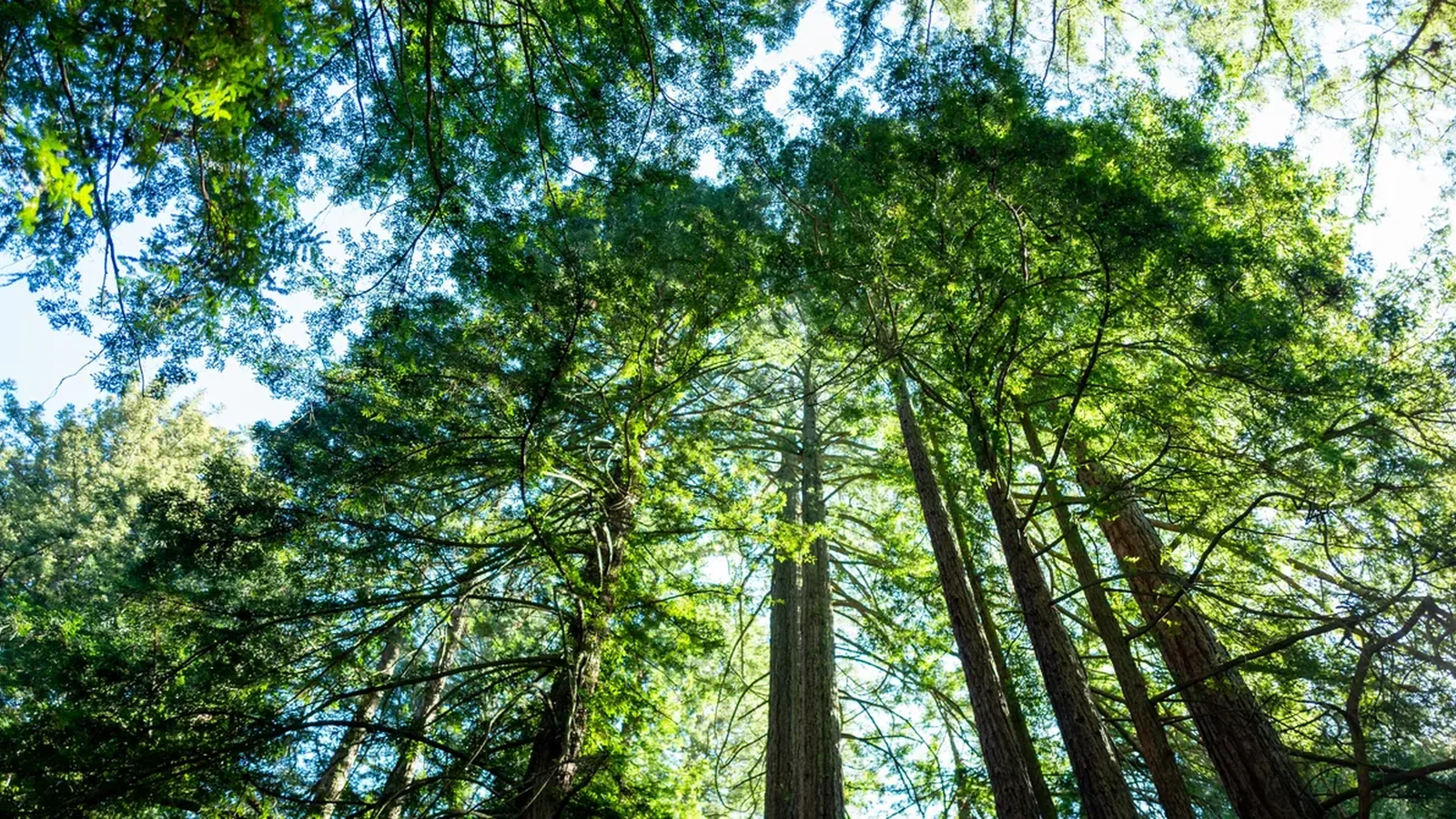
Coast redwood forests function as complex, layered environments where individual trees can live for millennia. Their expansive canopies develop rich mats of soils and ferns hundreds of feet above the ground, creating unique elevated ecosystems. These habitats support specialized wildlife such as wandering salamanders and marbled murrelets, which rely entirely on the specialized microclimates formed by the massive trees.
For generations, these resilient trees have anchored stable ecosystems and served as a major pillar of California's tourist economy. However, ongoing climate shifts present unprecedented stress. A new study conducted by researchers at the University of California, Davis, highlights a critical vulnerability in how these ancient trees respond to rising environmental temperatures.
How Heat Alters Tree Physiology and Photosynthesis
To understand the impact of rising temperatures on these giants, researchers examined specific mechanisms of tree physiology. Trees utilize microscopic pores on their leaves known as stomata to take in carbon dioxide and release water vapor. When stomata remain open, the tree actively absorbs carbon dioxide and undergoes photosynthesizing, though this process also causes the loss of water.
Researchers deployed specialized instruments to monitor individual leaves near the southern range of the coast redwood habitat in Mendocino County. The findings indicate that during extreme heat waves, redwood leaves heat up faster than the surrounding air. When temperatures spike past safe thresholds, the trees keep their stomata closed to prevent excessive water loss, thereby halting carbon intake and slowing down their biological growth.
The Threat of Carbon Starvation
This defensive mechanism against heat stress introduces a severe physiological dilemma known as carbon starvation. Because the trees stop taking in carbon dioxide during intense heat, they fail to build up the necessary energy reserves required to maintain their massive structures or generate new leaves for future seasons.
Given that modern coast redwoods are largely new-growth forests planted over the last couple of centuries, they require substantial carbon intake to support their rapid development. Scientists warn that repeated exposure to heat waves could trap these developing forests in a destructive cycle of starvation, ultimately stunting their growth and threatening their survival.
Implications for Global Carbon Storage
Beyond their immediate biological challenges, coast redwoods are recognized for being incredibly good at storing carbon. Due to their immense size and longevity, these trees lock away higher quantities of carbon dioxide per acre than any other forest ecosystem globally.
When heat stress impairs their ability to capture carbon and grow, the surrounding ecosystem suffers as a secondary consequence. Stunted tree growth leaves less physical space for the rich fern and soil mats that sustain forest wildlife, leading to widespread cascading environmental impacts.
Declining Fog Compounds Environmental Stress
Compounding the threat of rising temperatures is a noticeable drop in the coastal fog that traditionally shields these environments. Coast redwoods have historically relied on heavy fog layers in Northern California and the Pacific Northwest to absorb moisture directly through their high canopies and maintain a cooler microclimate.
With ocean temperatures warming and air drying, coastal fog levels have declined significantly. Experts describe this convergence of factors as a severe double whammy, leaving trees to confront intensifying heat stress while simultaneously losing the natural cooling and hydration systems they depend upon.
Sources
- WIREDCalifornia’s Tallest and Most Iconic Trees Are Getting Heatstroke
Continue chronologically


Related stories
Unusual Robotic Animals Prove Utility in Rescue and Inspection
Explore how robotic animals like cyborg cockroaches, mechanical ants, and robotic snakes are proving their utility in disaster recovery and inspections.

Climate Change Threatens World's Best Surf Breaks
A new study reveals that climate change and hardened shorelines threaten over three-quarters of premier surf breaks and their local tourist economies.

How the 2026 Super El Niño and Climate Change Are Related
Explore how scientists are analyzing the unprecedented 2026 super El Niño event and its complex relationship with global climate change.
Hyte X50 PC Case Discounted by $50 During Labor Day Sale
The colorful Hyte X50 PC case is currently $50 off, bringing the price to $99.99 through September 21st, 2026, as part of a major retail promotion.