Climate Change Threatens World's Best Surf Breaks
Research analyzing dozens of famous global surf breaks warns that rising tides, shifting sands, and coastal developments put premier waves and multibillion-dollar local economies at high risk.
 Radwan AbdulhadiEditor and technology writer
Global Surf Breaks at High Risk
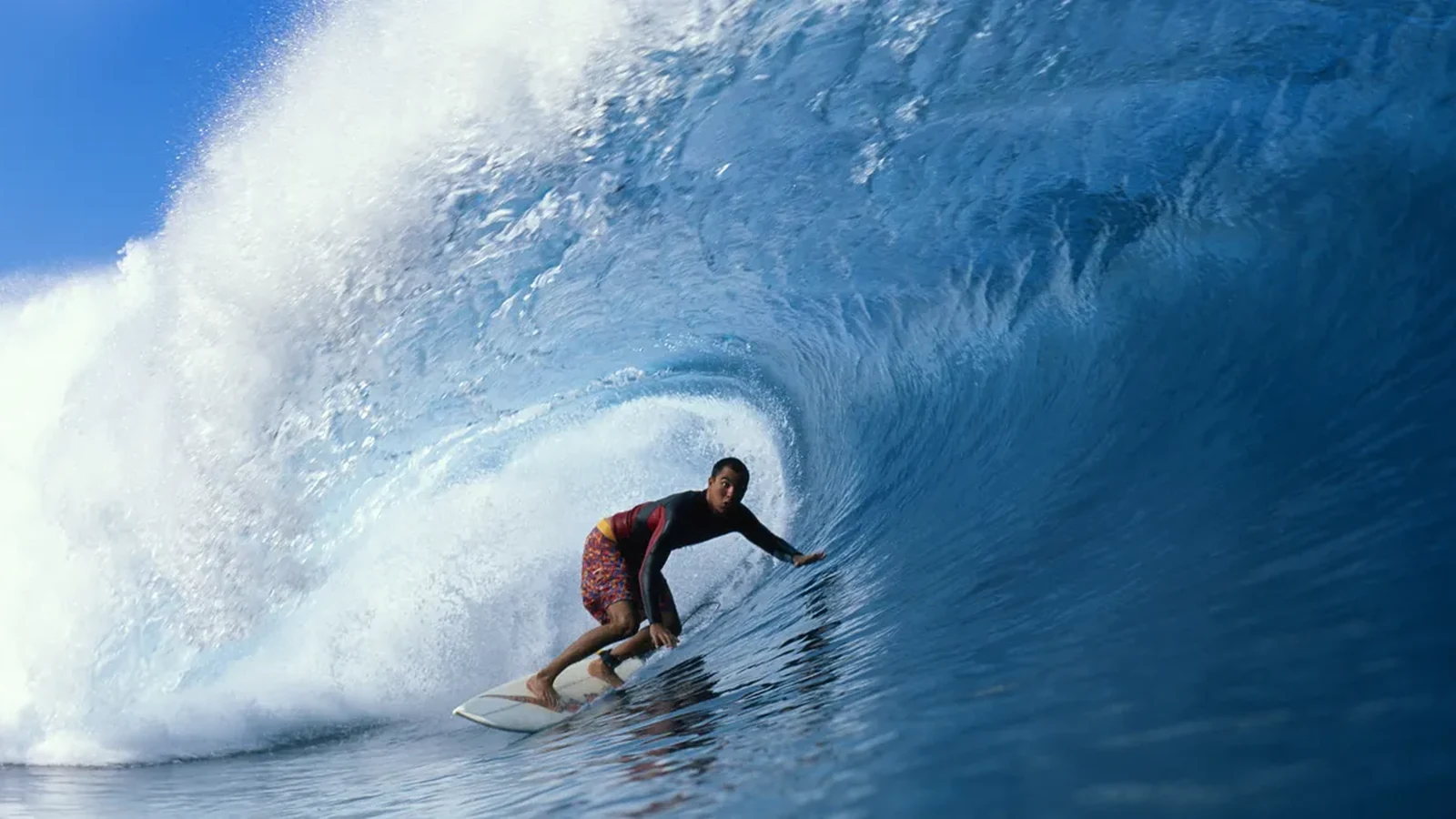
The climate crisis is increasingly threatening some of the world's greatest surf spots, with researchers warning that rising oceans and human development could soon submerge premier waves or crush them against hardened coasts. An analysis focused on dozens of famous waves across <a href="https://www.savethewaves.org/wsr/">World Surfing Reserves</a> found that more than 75% of them face high risk due to shifting tide levels, hardened shorelines, and moving sands.
These environmental changes endanger not only the athletes <a href="https://www.wired.com/story/firewire-neutrino-surfboard-rave/">catching the waves</a> but also the communities that rely on a multibillion-dollar surf economy. These dependent local economies are frequently located in areas with limited alternative industries.
Vulnerable Spots Around the Globe
Among the most vulnerable locations identified in the study are the bombing barrels of Croyde Beach in North Devon, UK, along with point breaks at Noosa in Australia and Oriente Salvaje in El Salvador. California destinations like the Santa Cruz reefs, including Sewer Peak and Wind and Sea, are similarly listed among the waves at the highest risk.
The study, <a href="https://link.springer.com/article/10.1007/s10584-026-04264-8">published in the journal Climatic Change</a>, highlights that optimal surfing locations require precise combinations of seafloor shape, swell direction, and tide.
Oceanographic Sensitivity and Global Heating
Dan Reineman, an associate professor at California State University Channel Islands and a coauthor of the study, emphasized the fragile nature of these locations. "Surf breaks are incredibly unique oceanographic phenomena—a confluence of all these factors that fit together just right to make the wave happen—and so those processes are really sensitive," Reineman noted.
Global heating drives up ocean levels while <a href="https://www.wired.com/story/super-el-nino-turns-worlds-weather-upside-down/">changing rainfall patterns</a> alter sediment movement. These disruptions can upset the delicate balance required to maintain a wave, ultimately destroying it.
The Role of Coastal Development
Researchers discovered that natural coastlines are better equipped to adapt to environmental alterations by shifting inland and relocating sediments naturally. Conversely, artificial developments like <a href="https://www.wired.com/story/west-antarctica-is-missing-way-too-much-ice/">sea walls</a>, jetties, and groynes diminish the resilience of local beaches and their associated waves.
The study evaluated 57 surf breaks across nearly all existing World Surfing Reserves, spread throughout eight countries, with nearly 200 local experts contributing to the findings. Scientists warn that thousands of additional surf waves globally face similar threats.
Local Insights and Economic Value
To better understand these regional shifts, researchers leaned on <a href="https://www.wired.com/story/egypts-climate-resilient-super-corals-are-starting-to-feel-the-heat/">expert local knowledge</a> provided by surfers who observe firsthand how their local waves are transforming over time.
Trent Hodges, coauthor and senior programs manager at the Save the Waves Coalition—which launched the World Surfing Reserves program in 2009—noted that these changes serve as a warning sign. "It’s a canary in the coal mine too—when a wave changes, that often means the beach is changing, and everybody enjoys the beach," Hodges said.
Sustaining Communities Beyond Summer
Adam Hall, cofounder of the North Devon World Surfing Reserve and a contributor to the study, highlighted the diversity of his region's waves, spanning Saunton Sands and Croyde Beach. Hall emphasized that surfing provides crucial financial support to local businesses throughout the off-season.
"Surfers will come throughout the year. They fill up the pubs, restaurants, and car parks when the swells are good in January, February, and March, where if you go to any other tourist destination that doesn’t have surf, they’re dead on their knees," Hall explained.
Sources
- WIREDClimate Change Has It In for the World’s Best Surfing
Continue chronologically

Related stories
How the 2026 Super El Niño and Climate Change Are Related
Explore how scientists are analyzing the unprecedented 2026 super El Niño event and its complex relationship with global climate change.
New York Data Centers Spark Tensions and Policy Dilemmas
Examine what Democrats can learn from New York's data center moratorium as digital infrastructure concerns shape midterm races.

California Redwoods Slow Photosynthesis During Extreme Heat
A new study reveals that California's iconic coast redwoods dial down photosynthesis during intense heat waves, risking carbon starvation.
Amazon Echo Dot Max Named Best Alexa Speaker in WIRED Review
Discover WIRED's top-tested Alexa speakers for 2026, including the new Echo Dot Max, updated pricing details, and performance highlights.