Used CPU Purchases Can Expose Gamers to Existing Anti-Cheat Bans
Gamers purchasing secondhand hardware face unexpected risks as anti-cheat engines flag previously banned components, leading to account restrictions.
 Radwan AbdulhadiEditor and technology writer
Secondhand Hardware Risks
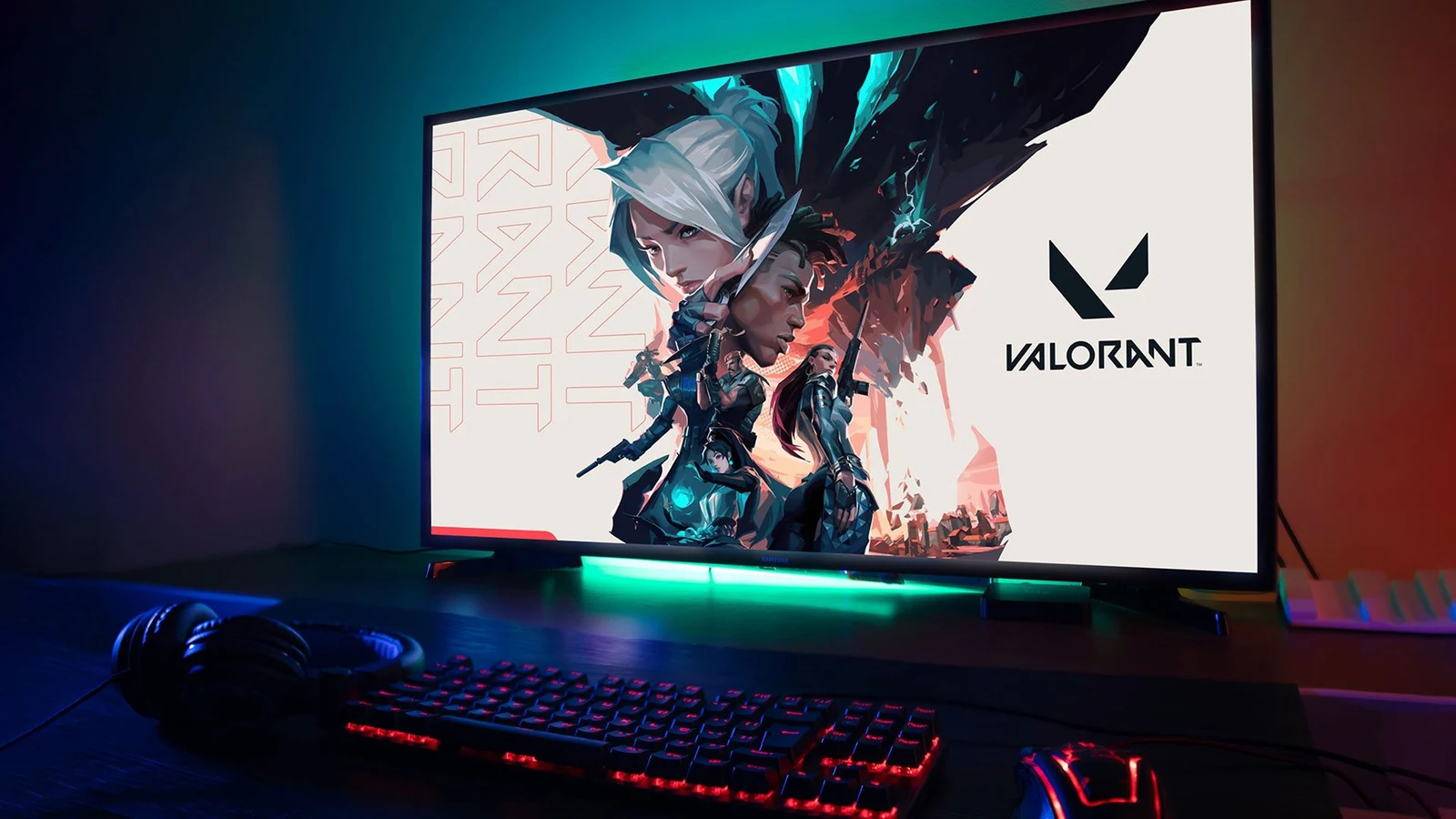
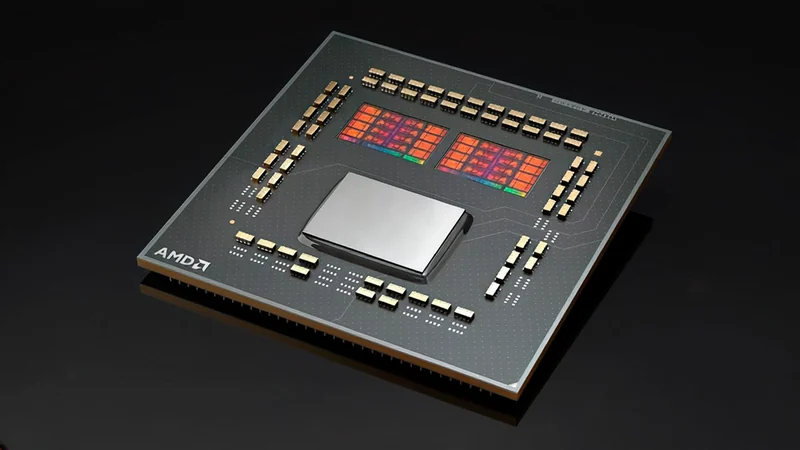
Purchasing used computer hardware can inadvertently expose buyers to existing bans enforced by game anti-cheat engines. A recent incident highlighted by [Tom's Hardware](https://www.tomshardware.com/video-games/pc-gaming/buying-used-cpus-can-expose-users-to-existing-bans-from-anti-cheat-engines-some-anti-cheat-engines-enforce-permanent-bans-with-an-expiration-date) details how a gamer in Germany acquired a used AMD Ryzen 7 5800X3D and promptly received a Valorant ban after installing it in their system.
The buyer shared their experience on the [r/PCBauder subreddit](https://www.reddit.com/r/PCBaumeister/comments/1wqomor/gebrauchte_cpu_erlaubt_kein_valorant/comments/1wqomor/gebrauchte_cpu_erlaubt_kein_valorant), explaining that while the processor functioned properly during general computer tasks, launching Valorant immediately resulted in an exclusion. Customer support later confirmed that the CPU had been blacklisted by Vanguard months prior due to activities by its previous owner.
Developer Policies and Vanguard Restrictions
Following discussions on social media platforms, Riot Games anti-cheat specialist Phillip Koskinas addressed the situation, clarifying that hardware bans are game-specific and last for a maximum duration of four months. Koskinas also stated that the anti-cheat system matches only a single component on the denylist rather than flagging every part of an offending player's gaming rig.
Despite customer service maintaining that the ban stemming from the hardware ID could not be reversed, affected users can eventually regain access once the expiration window passes. Alternatively, players can acquire a replacement CPU or create a new account to resume playing.
Varying Enforcement Across Anti-Cheat Engines
Different anti-cheat platforms implement distinct protocols when dealing with hardware identification and infractions. While Vanguard utilizes a time-limited ban structure, other anti-cheat engines enforce permanent restrictions across multiple titles.
For instance, Easy Anti-Cheat targets violators and affected hardware across all integrated games, whereas BattleEye implements permanent global bans. Meanwhile, other solutions like Call of Duty's Ricochet maintain strict verification checks through Microsoft's servers to ensure system integrity.
Ongoing Industry Concerns
The reliance on advanced anti-cheat software has sparked broader debates within the gaming community regarding privacy, resource consumption, and kernel-level access. While many players consider these security measures essential for maintaining fair online gameplay, others raise concerns regarding system intrusiveness.
Ultimately, the incident underscores a persistent challenge for consumers in the secondhand market. Because buyers have no reliable method to check a processor's disciplinary history prior to an exchange, acquiring used components remains a gamble until the hardware is tested inside a live gaming environment.
Sources
- Tom's HardwareBuying used CPUs can expose you to existing bans from anti-cheat engines
Continue chronologically

Related entity coverage
Related stories
Gears of War E-Day Pushes Unreal Engine 5 CPU Limits
An in-depth benchmark of 25 Intel and AMD processors reveals that Gears of War E-Day is an uncharacteristically CPU-heavy Unreal Engine 5 title.
Canceled AMD Ryzen 9 5900X3D Engineering Sample Emerges
An engineering sample of AMD's unreleased Zen 3 Ryzen 9 5900X3D processor has surfaced, revealing its 128MB L3 cache design.
MSI Stealth A18 AI+ RTX 5090 Laptop Gets $520 Discount
Discover a major $520 discount on the MSI Stealth A18 AI+ gaming laptop featuring an RTX 5090 GPU, 64GB DDR5 RAM, and a 2TB SSD.
Microsoft Quietly Drops Copilot+ PC Branding on New Laptops
Microsoft has quietly stepped away from using Copilot+ PC branding on its latest laptops, despite the new hardware meeting previous requirements.