AMD Shares Gorgon Halo Benchmarks Ahead of RTX Spark
AMD has released fresh AI performance benchmarks for its flagship Gorgon Halo processor, the Ryzen AI Max+ Pro 495, positioning the chip ahead of Nvidia's expected RTX Spark device debut.
 Radwan AbdulhadiEditor and technology writer
Gorgon Halo Benchmarks Surface Ahead of Microsoft Event
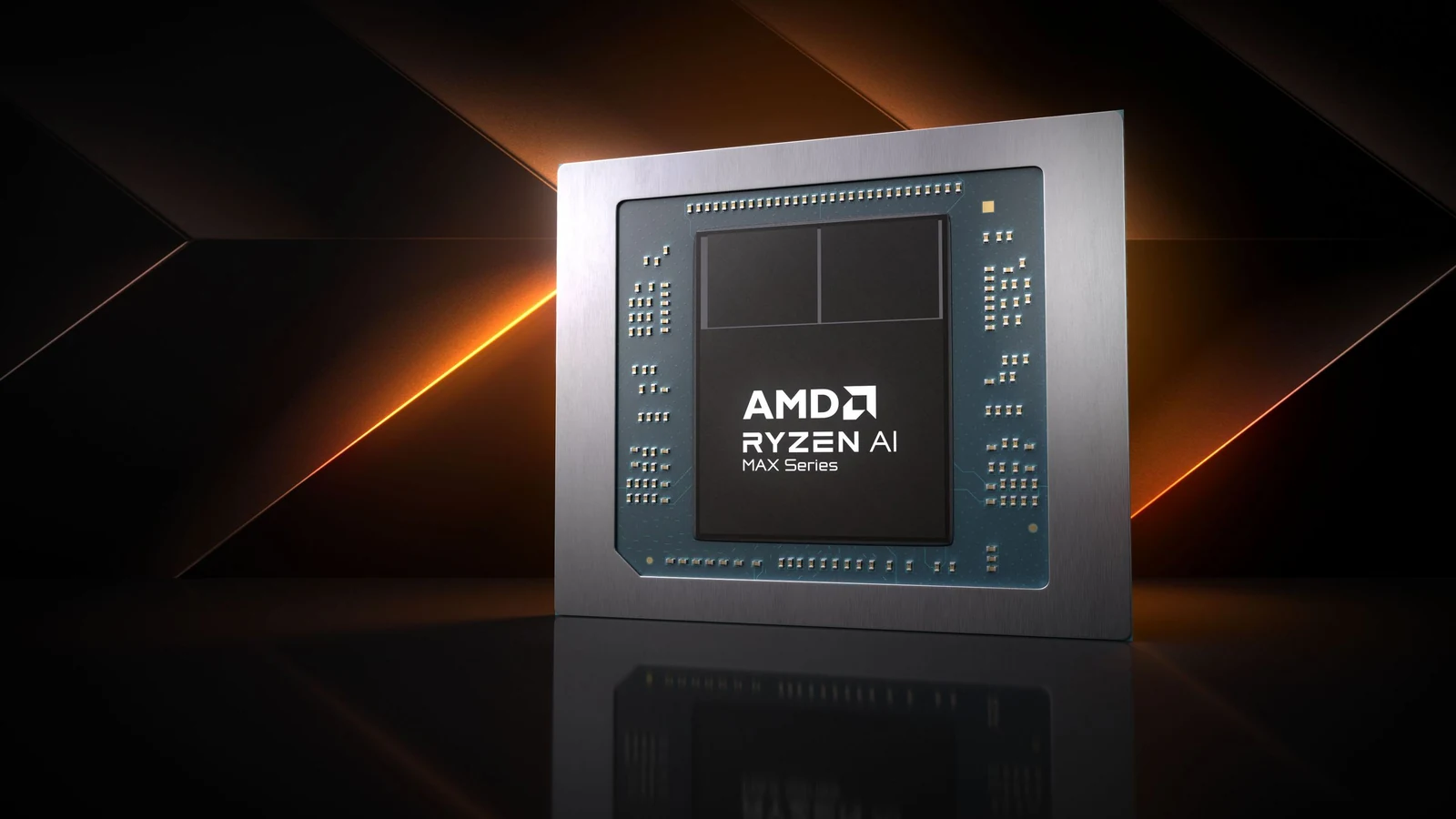
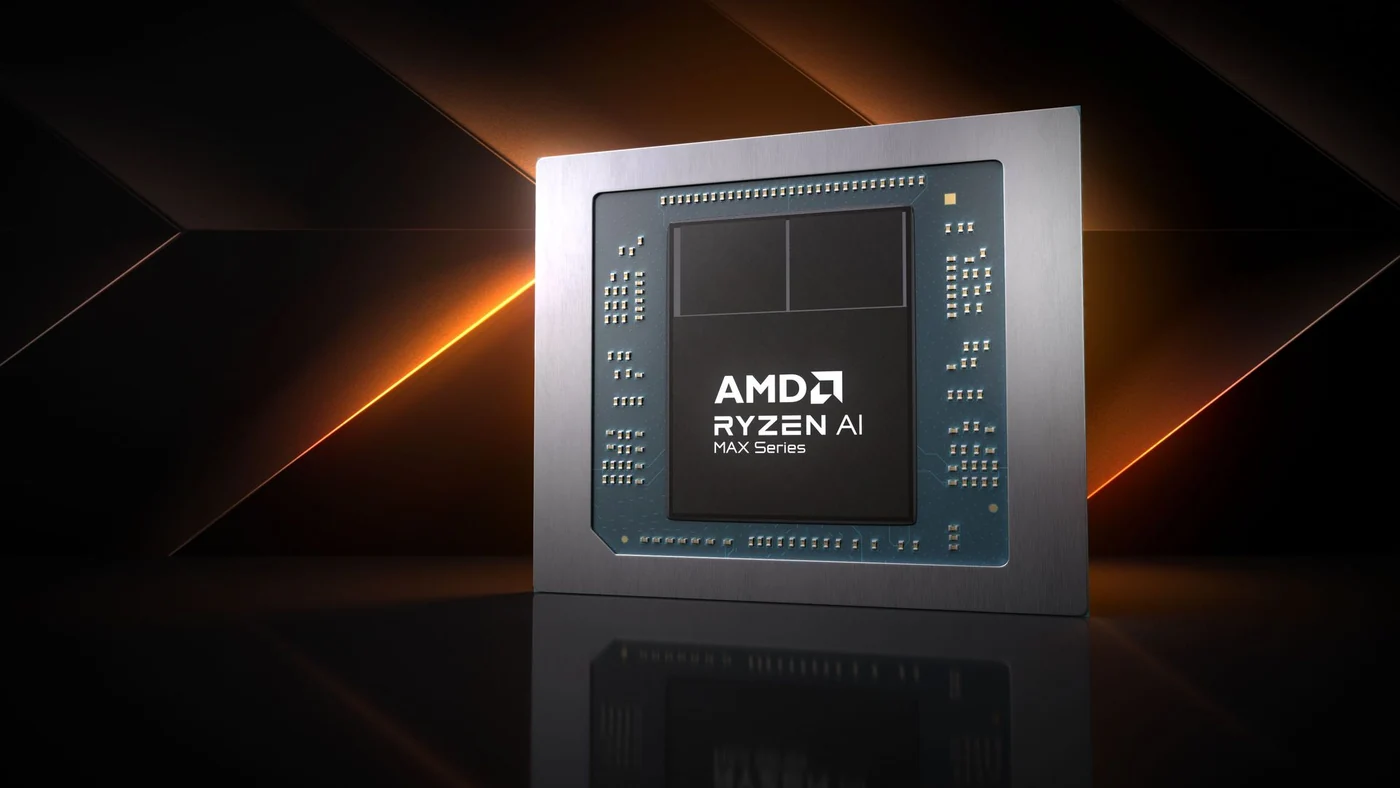
Ahead of an expected Nvidia RTX Spark launch later this week, AMD has shared performance benchmarks for its flagship Gorgon Halo chip, the Ryzen AI Max+ Pro 495. As reported by [Tom's Hardware](https://www.tomshardware.com/pc-components/cpus/amd-attempts-to-get-ahead-of-expected-rtx-spark-launch-with-gorgon-halo-ai-benchmarks-company-says-it-has-shipped-over-half-a-million-agentic-pcs-to-date), the release follows a tease from Nvidia and arrives just days before a scheduled event from Microsoft.
The extra insight arrives a matter of days after the first Gorgon Halo devices launched, with some systems priced upwards of $7,099. Devices such as the Minisforum MS-S1 Max-P495 are available for sale now, featuring top-line configurations that sit around $7,000, though broader availability is expected to bring a wider range of pricing.
Performance Comparisons Against Intel Core Ultra
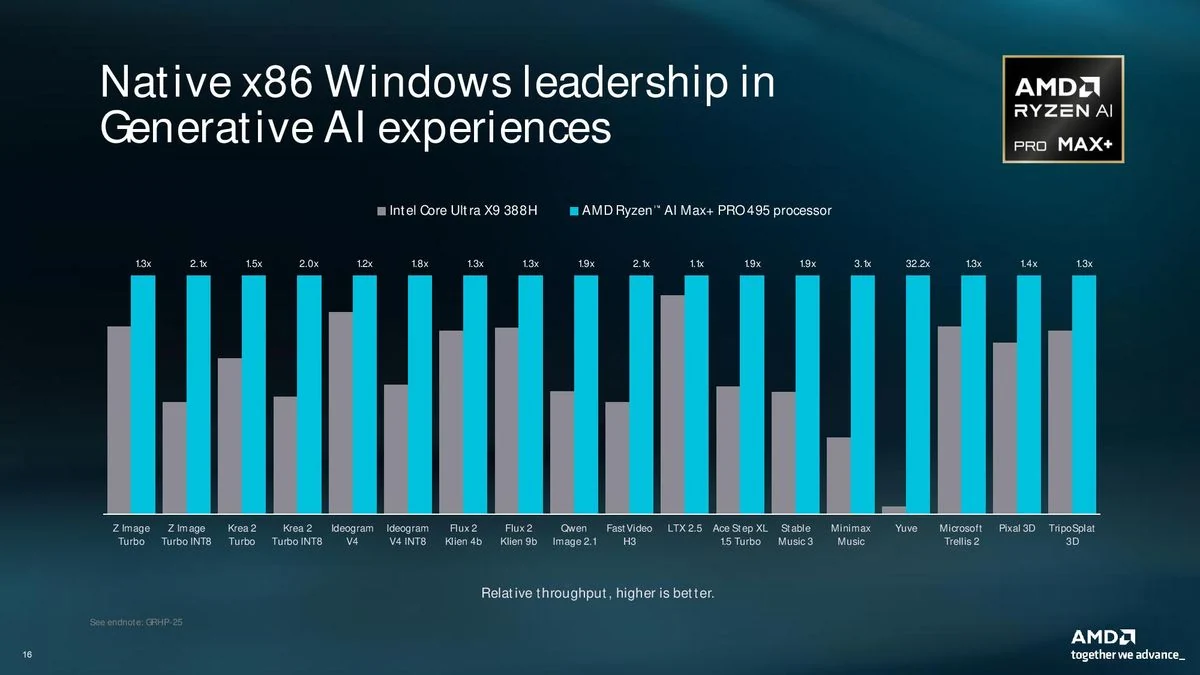
Without official performance results for the RTX Spark outside of questionable Geekbench leaks, AMD bypassed Nvidia for its latest comparisons. Instead, the company compared the Ryzen AI Max+ Pro 495 directly against Intel's Core Ultra X9 388H.
AMD utilized ComfyUI to measure generative AI performance, averaging multiple runs across various models to compare total throughput. The testing pitted AMD's top-spec 192GB configuration of the Ryzen AI Max+ Pro 495 against a system running the Core Ultra X9 388H with 64GB of memory.
Generative AI Throughput and Model Capacities
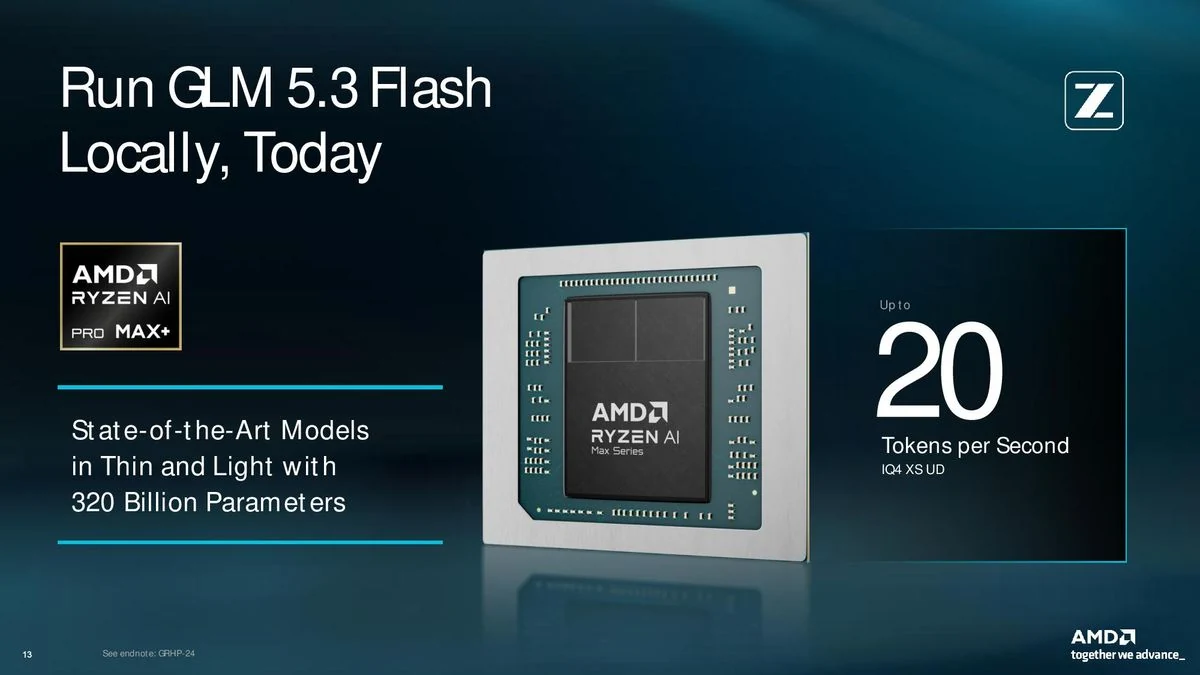
In benchmark testing involving the GLM 5.3 Flash model featuring 320 billion parameters, AMD recorded a peak throughput of 20 tokens per second utilizing Unsloth's UD-IQ4_XS mixed-quantization format. While GLM 5.3 Flash carries a large total parameter count, only 18 billion parameters are active for each token.
Additionally, AMD detailed performance figures for the Qwen 3.8 Flash Next multimodal mixture-of-experts model. With dynamic 4-bit quantization and multi-token prediction enabled, the Ryzen AI Max+ Pro 495 achieved up to 42 tokens per second.
Unified Memory Advantages and Hardware Context
Gorgon Halo serves largely as a refresh of the previous-generation Strix Halo range, retaining identical core counts and microarchitectures while introducing a 100 MHz boost clock increase for the 495 and expanding unified memory support up to 192GB.
By comparison, RTX Spark devices and similar configurations top out at 128GB of unified memory. While higher memory capacity enables local execution of larger models, reviewers note that increased capacity does not automatically translate to faster processing speeds.
Agentic PC Shipments and Market Position
During a press prebriefing, AMD offered insight into its market presence, initially boasting of shipping tens of millions of AI PCs before clarifying that it has shipped over half a million agentic PCs to date. These figures presumably account for Strix and Gorgon Halo devices as the category expands to rival upcoming hardware drops.
Sources
- Tom's HardwareAMD attempts to get ahead of expected RTX Spark launch with Gorgon Halo benchmarks
Continue chronologically
Related entity coverage
Related stories
AMD Surpasses $1 Trillion Market Cap Milestone
AMD has officially joined the elite trillion-dollar market cap club, outpacing Intel following a significant surge in stock price fueled by data center demand.
Gears of War E-Day Pushes Unreal Engine 5 CPU Limits
An in-depth benchmark of 25 Intel and AMD processors reveals that Gears of War E-Day is an uncharacteristically CPU-heavy Unreal Engine 5 title.

MSI Codex Z2C Gaming PC Drops to $999 With $600 Savings
Walmart is offering a massive $600 discount on the MSI Codex Z2C gaming PC, featuring an RTX 5060 Ti, Ryzen 7 CPU, and DDR5 memory for under $1,000.
MSI Stealth A18 AI+ RTX 5090 Laptop Gets $520 Discount
Discover a major $520 discount on the MSI Stealth A18 AI+ gaming laptop featuring an RTX 5090 GPU, 64GB DDR5 RAM, and a 2TB SSD.