Sam Altman Meets Samsung Leadership to Secure Data Center RAM
OpenAI CEO Sam Altman traveled to South Korea to meet with roughly 50 senior Samsung executives, navigating a tightening global market for memory chips and high-bandwidth memory crucial for AI infrastructure.
 Radwan AbdulhadiEditor and technology writer
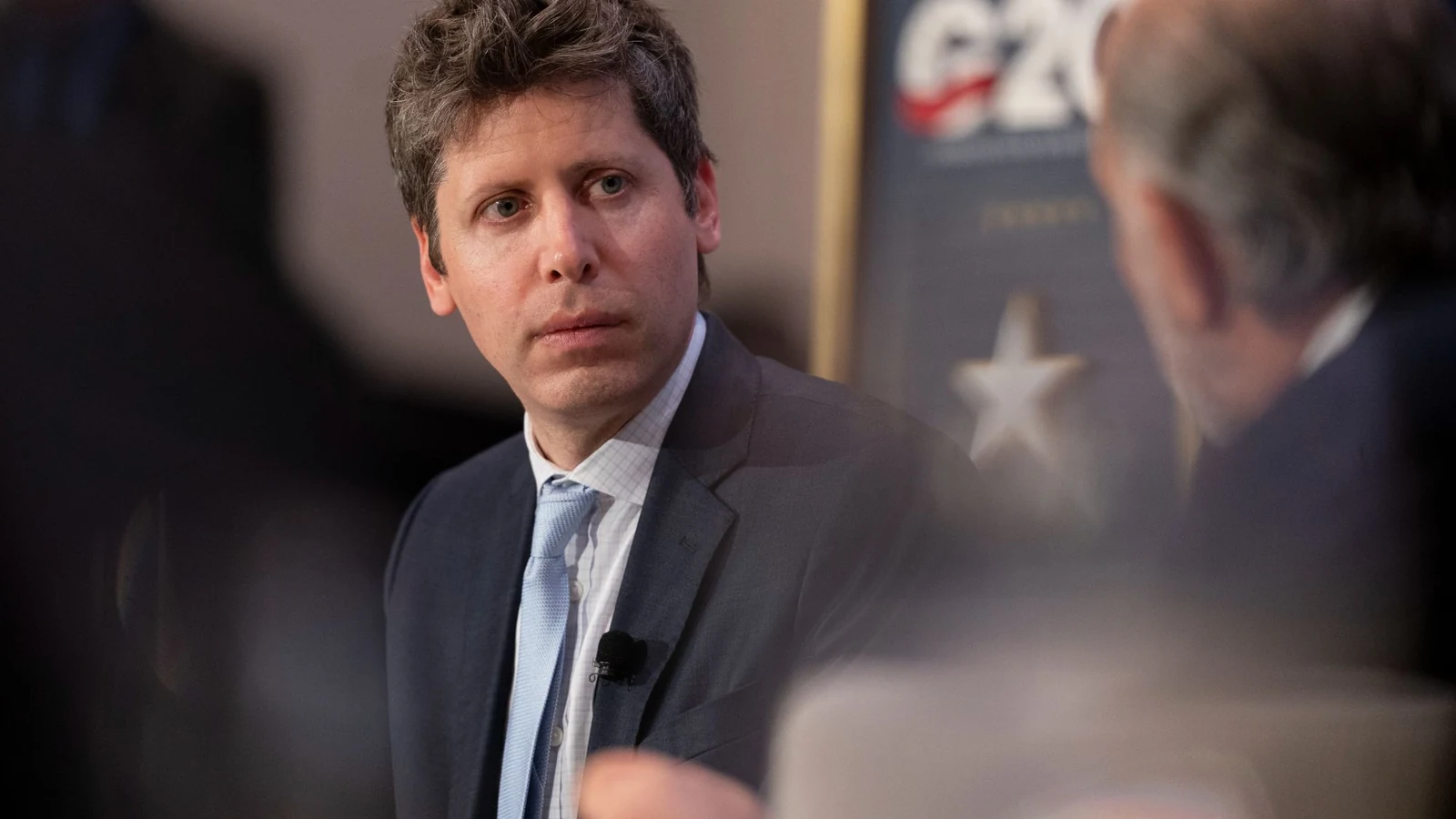
High-Level Executive Meeting in South Korea
OpenAI CEO Sam Altman recently traveled to South Korea to meet with approximately 50 senior Samsung executives, focusing heavily on artificial intelligence expansion and memory capacity needs. Additional reporting on the discussions can be found via <a href="https://www.bloomberg.com/news/articles/2026-10-31/openai-sam-altman-samsung-executives-memory-crunch-deepens">Bloomberg</a>, detailing how the high-profile encounter highlights the intense competition for specialized hardware required to power modern data centers.
The gathering brought together key leadership figures from Samsung’s financial, electronics, and biotechnology sectors. Samsung confirmed that the talks centered on strengthening existing corporate relationships and reviewing prior collaborative agreements aimed at advancing global AI infrastructure, including memory semiconductor support.
Memory Shortages and Data Center Pressures
The high-level meeting takes place against the backdrop of a crushing global memory shortage. Industry estimates indicate that DRAM supply has struggled to keep pace with soaring data center demand, placing intense pressure on manufacturers. This hardware scarcity is compounded by competing resource demands from personal computers, smartphones, and various consumer electronics.
Amid these hardware constraints, Altman has previously argued that memory allocation models require rethinking. For instance, remarks regarding how <a href="https://www.tomshardware.com/tech-industry/data-centers/openai-ceo-says-its-quite-terrible-for-your-pc-to-have-ram-sam-altman-says-data-centers-offer-better-utilization">DRAM sitting inside personal computers is often underused</a> sparked considerable discussion across the tech industry regarding whether centralized data centers offer superior resource utilization for heavy AI workloads.

South Korea's Pivotal Role in AI Hardware
South Korea remains at the epicenter of the global hardware expansion, largely driven by the dominance of its premier memory manufacturing conglomerates. Major industry tracking highlights that Samsung and SK hynix account for an overwhelming majority of global high-bandwidth memory revenue, a specialized DRAM variant essential for high-performance AI processors.
Because high-bandwidth memory has become the bottleneck for advanced computing deployment, technology executives have increasingly focused their strategic planning on South Korean partnerships. Industry leaders have emphasized the necessity of coordinating hardware roadmaps years in advance to secure adequate provisioning from dominant suppliers.
Strategic Manufacturing Adjustments
To cope with the unrelenting demand wave, major chipmakers have been actively upgrading and pivoting their factory infrastructure. While several facility upgrades target NAND flash production lines rather than standard DRAM, these sweeping operational shifts clearly demonstrate how semiconductor fabricators are scrambling to reallocate capacity toward data center hardware.
Market researchers project that the supply-demand imbalance could persist for an extended period, given the extensive lead times required to bring fresh manufacturing capacity online. Consequently, leadership summits between software pioneers and silicon fabricators are expected to remain a critical fixture of the industry landscape as companies jockey for guaranteed component allocations.
Sources
- Tom's HardwareSam Altman meets with Samsung leadership to secure more RAM for data centers amid crushing shortages
Continue chronologically


Related entity coverage
Related stories
Elon Musk Mocks OpenAI CEO Sam Altman Over PC RAM Comments
Elon Musk has mocked OpenAI CEO Sam Altman on X after Altman claimed that home computers having local DRAM is terrible amid global supply crunches.
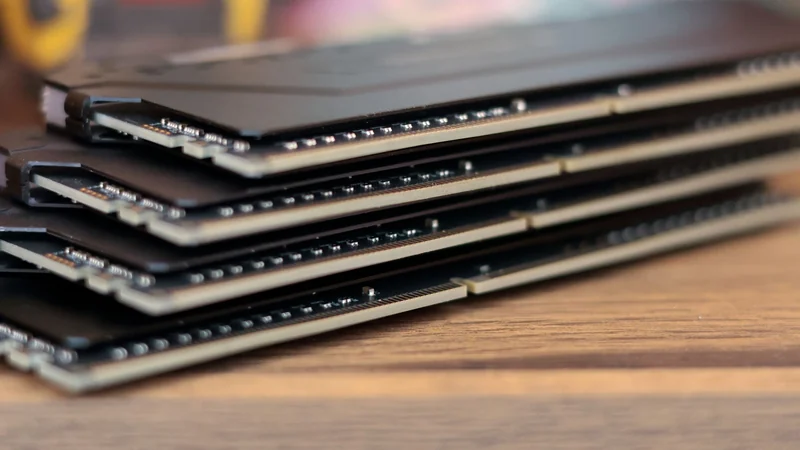
Sam Altman Criticizes Personal RAM Hoarding in PCs
OpenAI CEO Sam Altman calls it terrible for personal computers to hold scarce DRAM resources, drawing criticism amid industry-wide hardware shortages.
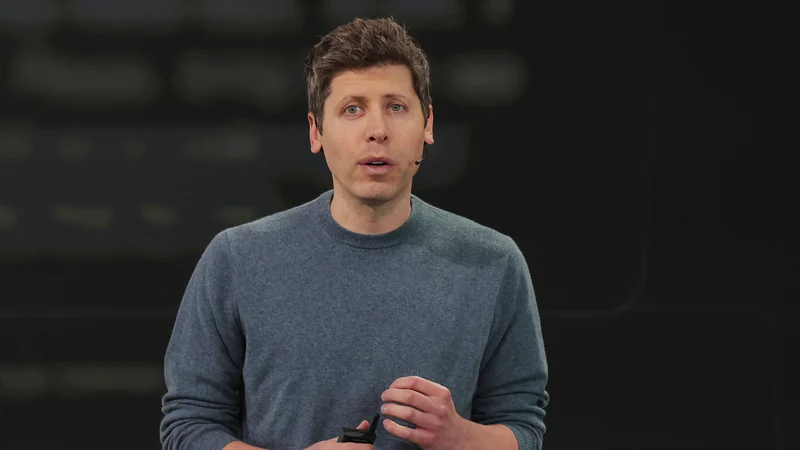
OpenAI CEO Sam Altman Criticizes PC RAM Allocation
OpenAI CEO Sam Altman argues that consumer PC RAM allocation is inefficient, claiming memory should be prioritized for cloud data centers.

Sam Altman: OpenAI's Math Onslaught Will Not Stop
OpenAI CEO Sam Altman acknowledges mathematicians' struggles with AI-generated math results but insists the company's scientific onslaught will continue.