Tech Companies Should Offer Cheap Battery Replacements Amid Memory Crunch
Global smartphone prices have climbed due to inflated memory costs, leading consumers to hold onto devices longer. Industry observers argue that tech giants should respond by providing cheap battery replacements.
 Radwan AbdulhadiEditor and technology writer
Rising Smartphone Prices and Extended Device Lifecycles
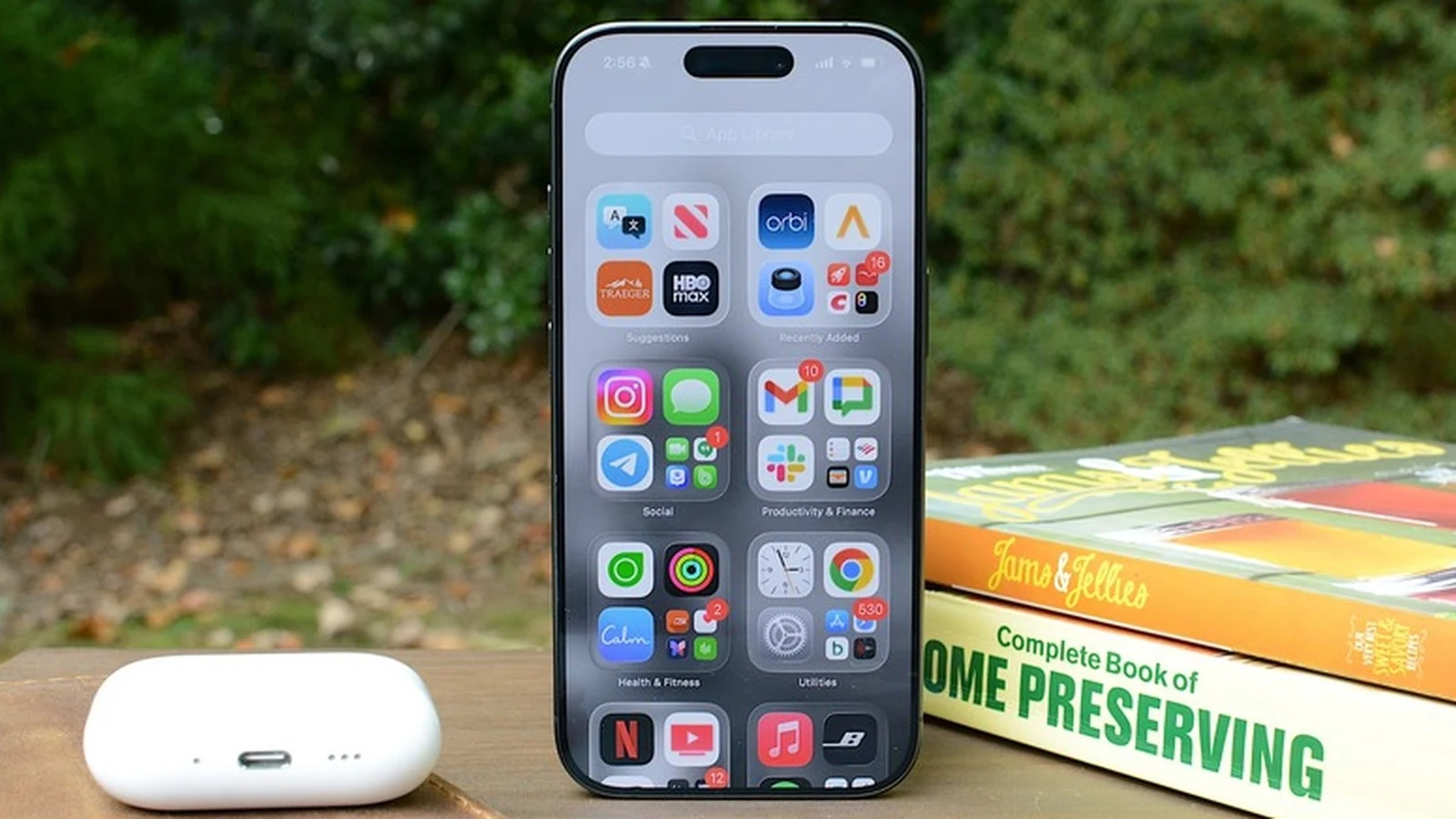
Due to sharply inflated memory costs, global smartphone prices are up an estimated 20 percent since the start of the year, a financial burden that phone makers are passing directly on to consumers. As a result, many people are choosing to hold onto their existing devices for longer periods or turning to refurbished alternatives.
Despite this shift toward handset thriftiness, a major barrier remains: tech companies largely do not offer cheap battery replacements. Consumers seeking to extend the life of their current hardware often face significant out-of-pocket expenses when their device batteries degrade.
Current Out-of-Warranty Battery Costs From Apple and Samsung
An examination of current pricing reveals the costs associated with keeping older devices running. For instance, obtaining an out-of-warranty battery service direct from the company for the newest iPhone Pro model costs $129, while older base models like the 2020 iPhone 12 cost $89. Apple has also priced iPhone Duo batteries at $229.
Competitors maintain similar pricing structures. While Samsung does not prominently list out-of-warranty battery replacement costs on its website, online reports suggest consumers can expect to pay between $99 and $129 for a replacement directly through the manufacturer.
Both Apple and Samsung encourage customers to sign up for extended warranty packages, specifically AppleCare and Samsung Care+, which include battery replacements. However, these protection plans must be purchased shortly after acquiring the device.
Historical Precedent for Affordable Battery Swaps
While current service prices might appear standard, historical precedent demonstrates that much lower rates are possible. In 2018, Apple dramatically reduced out-of-warranty battery swap prices as fallout from its iPhone throttling controversy. For an entire year, the company charged just $29 in the US, which was $50 below its regular price at the time.
Before the 2018 price reduction, Apple averaged about 1 million to 2 million battery swaps per year. Following the discount, that figure reportedly jumped to 11 million swaps. Although former CEO Tim Cook later noted a temporary dip in quarterly revenue and attributed part of it to customers opting for cheap battery replacements instead of upgrading, broader economic factors in China proved to be the primary driver of the shortfall.
Escalating Device Costs and Declining Purchasing Power
Phone prices have climbed steadily since 2018, with sharper increases occurring recently. When Apple announced the iPhone 18 Pro and iPhone Duo, it simultaneously raised the price of older models like the iPhone 17 by $100. Similarly, Samsung hiked the price of most S26 phones by $100 following an already elevated initial launch price compared to 2025 counterparts. Midrange options have also seen hikes, with the new S26 FE costing more at release than previous generations despite offering only modest upgrades.
Simultaneously, American consumers have experienced declining purchasing power. Consumer prices have risen significantly since January 2018, and analyses from the Pew Research Center indicate that inflation-adjusted median weekly wages fell between December 2020 and December 2025.
The Case for Cheap Batteries Amid Persistent Memory Shortages
Faced with the memory crunch, companies like Apple and Samsung have largely protected their profitability by raising prices above the rate of inflation. However, while components like memory chips and overall device complexity have increased expenses, the underlying lithium-ion cells powering these phones have actually decreased in cost.
Industry forecasts from memory manufacturers like SK Hynix suggest that supply may not catch up with demand until 2030. Given these extended shortages, tech manufacturers face compelling sustainability and consumer advocacy arguments to offer cheap, out-of-warranty battery replacements while memory constraints persist.
Sources
- EngadgetIf memory shortages last, tech companies should offer cheap battery replacements
Continue chronologically


Related entity coverage
Related stories
iPhone Duo Screens Crack as First Foldable Faces Scrutiny
Apple's first foldable device faces screen durability issues as early iPhone Duo units show displays breaking in the middle.
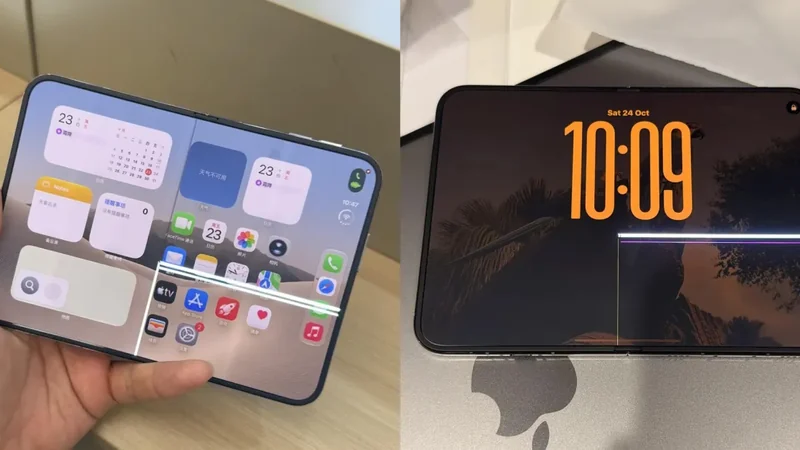
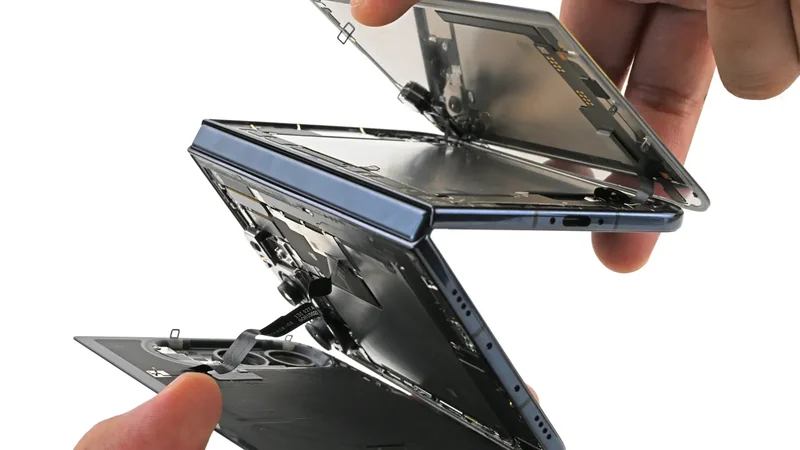
iPhone Duo Teardown Reveals Cause of Screen Crack Issues
iFixit's iPhone Duo teardown reveals structural challenges and display fragility as early adopters report cracked foldable inner screens.
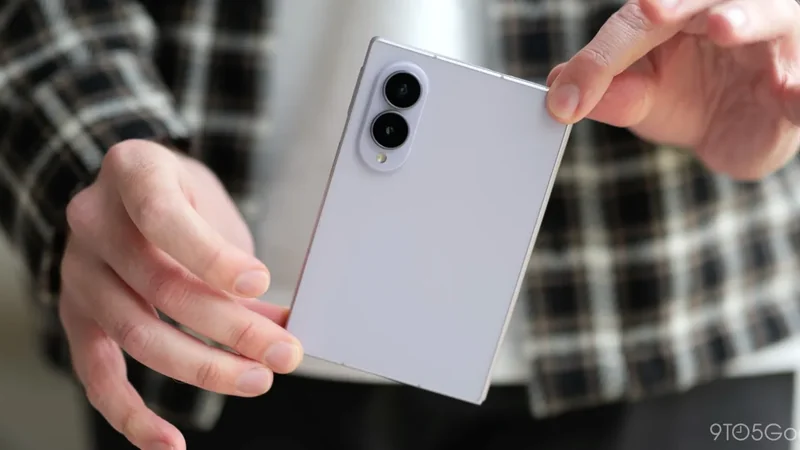
Galaxy Z Fold 8 Sales Spike Following iPhone Duo Release
Samsung's Galaxy Z Fold 8 experienced a significant sales spike in Korea following the tumultuous release of Apple's new foldable device.
Finding the Closest Android Counterpart to iPhone 18 Pro Max
Explore which Android smartphones truly compete with the iPhone 18 Pro Max in hardware performance, software refinement, and broad market availability.