Withings Puts Third-Party Syncing Behind a $100 Yearly Fee
Smart health device maker Withings has sparked customer backlash after locking third-party app syncing behind a subscription paywall for newly created accounts.
 Radwan AbdulhadiEditor and technology writer
The Policy Change and Account Restrictions
Smart health technology company Withings has introduced a controversial policy update that impacts how new users integrate their collected health data with external platforms. As detailed in a community support forum post, the company is now restricting the ability to automatically sync data to Apple Health and other third-party services. Rather than keeping this fundamental connectivity available to all users out of the box, Withings has tied automated third-party syncing to its dedicated paid subscription tier.
The adjustment primarily affects newcomers to the ecosystem. Accounts established after October 13 are subject to the new limitations unless they subscribe to the proprietary service tier. Existing customers who set up their profiles prior to this date do not appear to be impacted by the restriction, allowing them to maintain their previous connectivity without incurring additional recurring costs.
Cost Structure and Subscription Requirements
To unlock automatic data integration with external apps like Apple Health, new account holders must enroll in the company's premium service plan. The required tier, known as Withings+, carries a recurring cost of $100 a year. Without this subscription, fresh accounts lose the convenience of seamless background data transfers between their health monitoring hardware and other software environments.
An official response from Withings published on the support forum confirmed the structural shift. The company clarified that automatic synchronization to third-party applications is now formally considered a component of the Withings+ offering, separating basic data viewing from automated ecosystem interoperability.
Manual Workarounds for Free-Tier Users
New users who choose not to pay the annual fee will face friction when trying to incorporate their wellness metrics into outside programs. Instead of relying on effortless background synchronization, free-tier account holders will be forced to execute manual workarounds. Whenever a user wants their latest metrics accessible in another platform, they must manually export and upload their data history.
This manual data management requirement introduces a significant inconvenience for consumers who rely on multi-app tracking ecosystems. Critics argue that forcing a manual extraction process for a routine software feature diminishes the overall value proposition of using connected health hardware.
Customer Backlash and Community Response
The policy update has generated considerable friction within the user community. Many responses on the company support page express frustration from existing customers who object to gating a relatively simple software feature behind a high-priced annual membership for new buyers. Commenters have pointed out that charging $100 yearly solely for automated third-party connectivity feels disproportionate given the core utility of standard health hardware.
As discussions continue across online support forums, consumer sentiment remains sharply critical of the subscription gating strategy. Observers and tech commentators are monitoring the situation closely to see whether consumer pushback prompts any adjustments to the newly implemented tiered access model.
Hardware Ecosystem and Context
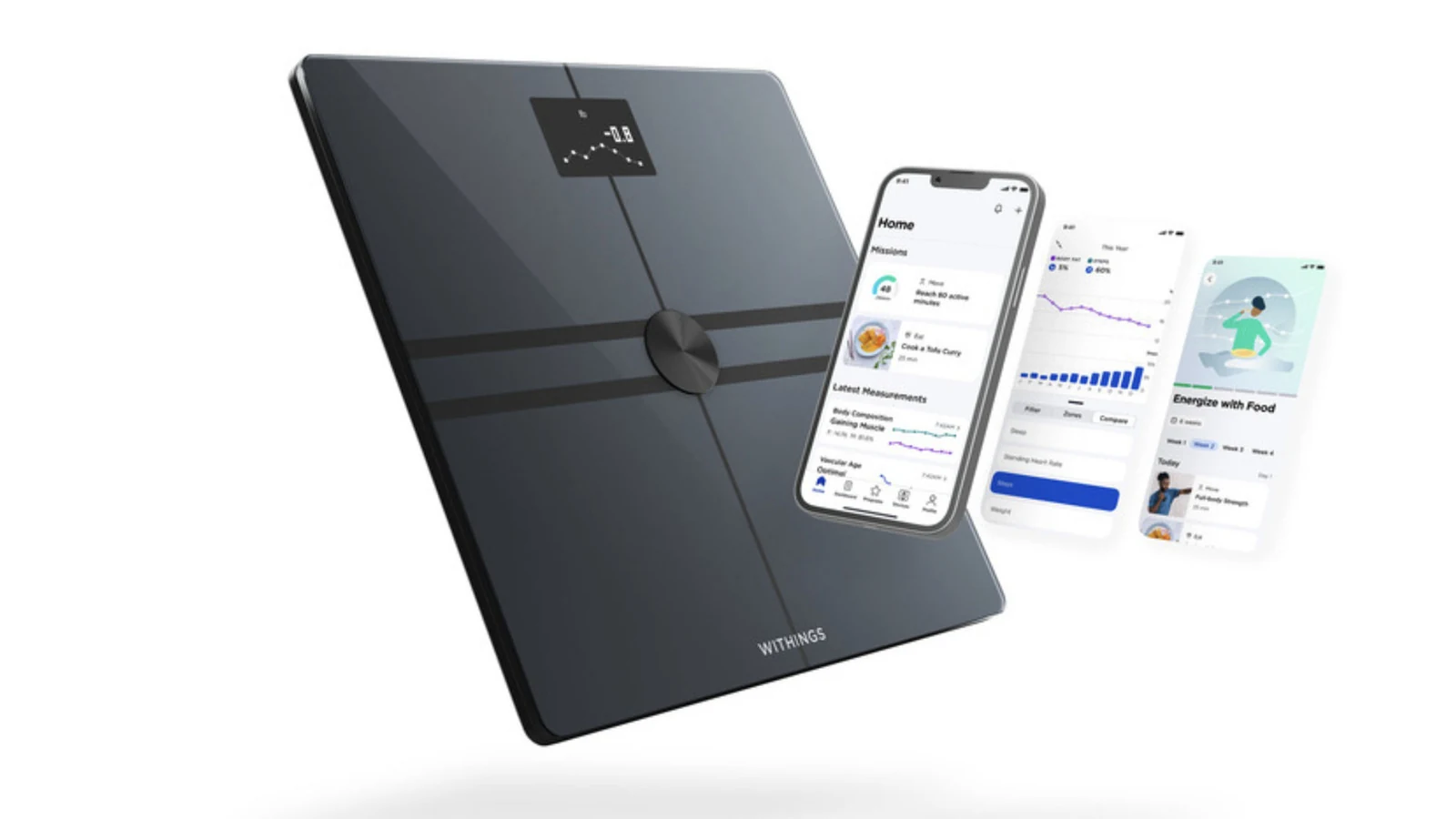
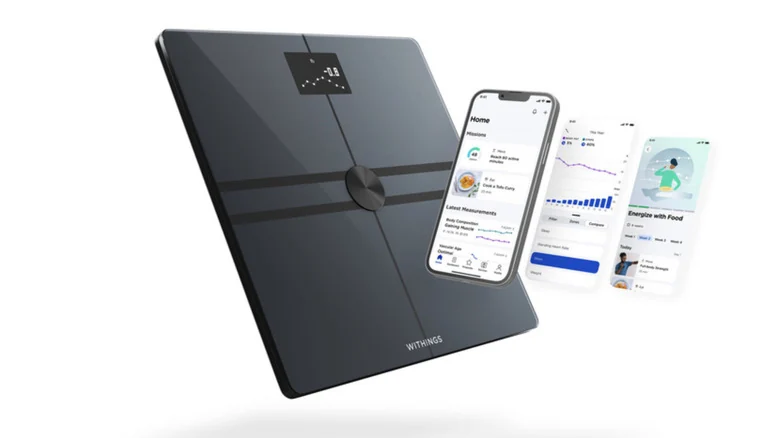
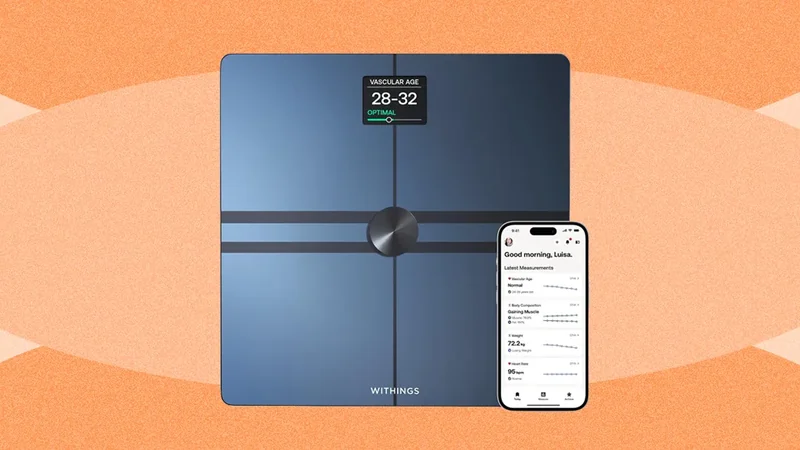
Withings is widely recognized within the consumer technology sector for manufacturing high-end smart health gear and connected physiological measurement devices. The brand's product lineup includes advanced diagnostic bathroom hardware, such as the recently launched Body Scan 2 scale, which retails for $600. For consumers seeking alternative price points, the manufacturer also provides a mid-range version.
The introduction of a software paywall for new accounts comes at a time when hardware manufacturers are increasingly looking toward recurring software and service revenues to support their connected ecosystems. Industry analysis and reporting from outlets like Engadget continue to track how hardware-makers balance physical product sales with ongoing digital membership fees.
Sources
- EngadgetWithings wants new users to pay $100 a year to sync with Apple Health
Continue chronologically

Related stories
Smart Scales Evolve in 2026 With Body Scanners and Wi-Fi
Discover the top smart scales of 2026, featuring advanced full-body scanners, Wi-Fi connectivity, and comprehensive health tracking updates.
Wyze Introduces Ultra BodyScan Plus Smart Scale
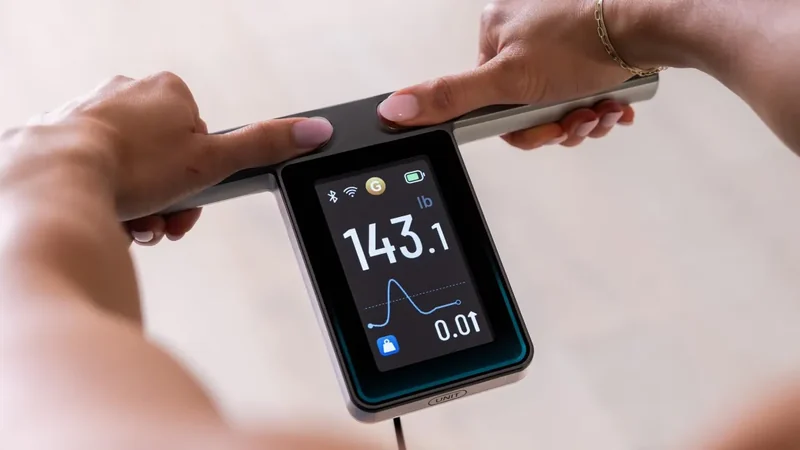
Wyze has announced the Ultra BodyScan Plus smart scale, featuring a redesigned 4.3-inch color screen on a retractable handle for eye-level readings.
Google Announces Fitbit Edge With Health Tracking and Replaceable Battery
Google has officially revealed the Fitbit Edge, featuring a slim profile, OLED display, advanced health tracking, and a replaceable battery starting at $179.99.

Google Unveils Fitbit Edge Fitness Tracker with Replaceable Battery
Google has officially announced the Fitbit Edge, featuring a 1.34-inch OLED display, a user-replaceable battery, and a $179.99 retail price.