Smart Scales Evolve in 2026 With Body Scanners and Wi-Fi
The smart scale market has experienced a significant resurgence driven by new full-body scanning technology, integrated ECG systems, and advanced biomarker tracking.
 Radwan AbdulhadiEditor and technology writer
The Rise of Modern Smart Scales
The smart scale market has undergone a dramatic transformation, shifting from basic bathroom accessories into advanced health-tracking hubs. Today's connected devices go far beyond standard weight logging, measuring heart rates, analyzing muscle composition, and even monitoring heart health through integrated ECG systems. Through accompanying mobile applications, users can monitor these metrics continuously over time.
A major shift in recent years involves the introduction of full-body scanners from multiple manufacturers. Unlike traditional floor scales that rely solely on bioelectrical impedance analysis (BIA) through the feet, these newer units incorporate handlebar-based scanners. By scanning through both hands and feet, these devices aim to deliver a more holistic and accurate overview of body metrics, though top-tier systems can command prices topping $600.
Connectivity and Core Technology
Modern smart scales generally operate using one of two connectivity methods: Bluetooth or Wi-Fi. Bluetooth models connect directly to a smartphone to sync readings, whereas Wi-Fi scales utilize a home wireless network to send data straight to the cloud. Although Wi-Fi variants tend to be more expensive, they offer greater versatility, and recent firmware updates have largely resolved historical connection instability.
Under the hood, virtually all smart scales employ bioelectrical impedance analysis (BIA). This technique sends a minuscule electric current up one leg and measures the signal as it travels down the other. Advanced algorithms then convert these electrical properties into derived measurements, including body fat percentage, water weight, bone mass, body-mass index (BMI), and basal metabolic rate (BMR).
Integration With Health Platforms
Data collection is only part of the ecosystem; seamless integration with broader digital health platforms is crucial for modern users. Virtually all of the tested smart scales support synchronization with major wellness ecosystems, allowing users to aggregate their daily weight and composition logs alongside other vital fitness statistics.
For iOS users, devices can sync information smoothly with Apple Health. Meanwhile, Android users can integrate their data seamlessly using Google's Health Connect, ensuring that daily measurements contribute to a unified health and fitness dashboard.
Featured Models and Market Options
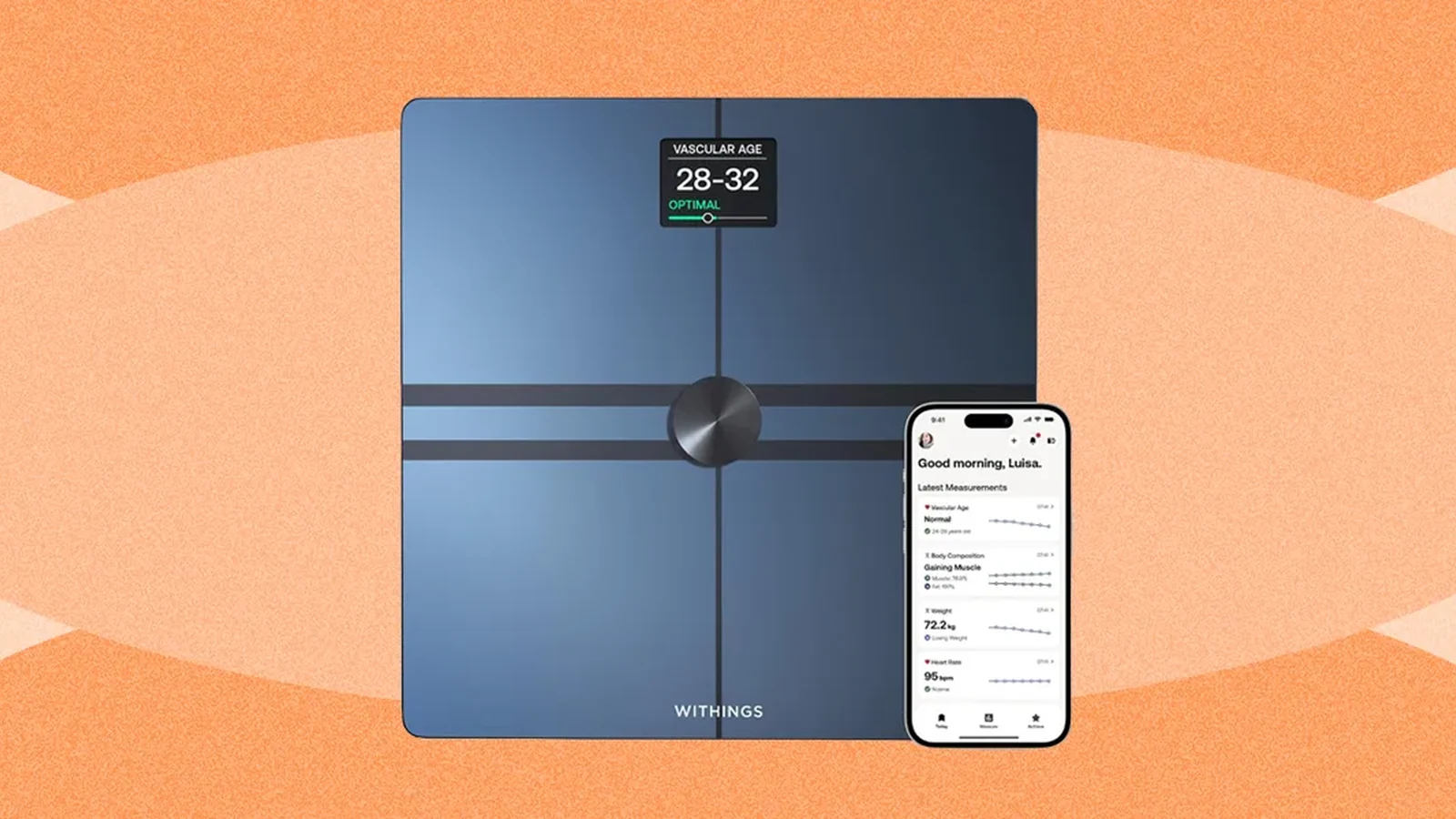
Among the prominent options currently available, the Withings Body Comp Smart Scale stands out as a versatile choice for comprehensive tracking. Returning to form under its cofounder, Withings designed the Wi-Fi-enabled scale to run through a rapid series of measurements. After capturing weight, the device evaluates biomarkers such as heart rate, fat and muscle composition, vascular age, and electrodermal activity.
The latest updates to the market also include the release of Withings' BodyScan 2 alongside honorable mentions from brands like Runstar and Tanita. While advanced hardware features provide extensive metrics, experts continue to emphasize that maintaining a consistent weigh-in routine—ideally first thing in the morning on an empty stomach—remains the most critical factor for tracking genuine health trends over time.
Sources
- WIREDThe Best Smart Scales for Tracking Weight and Body Composition (2026)
Continue chronologically


Related stories
Withings Puts Third-Party Syncing Behind a $100 Yearly Fee
Smart health company Withings is now requiring new users to pay $100 annually for Withings+ to automatically sync data with third-party apps like Apple Health.
Wyze Introduces Ultra BodyScan Plus Smart Scale
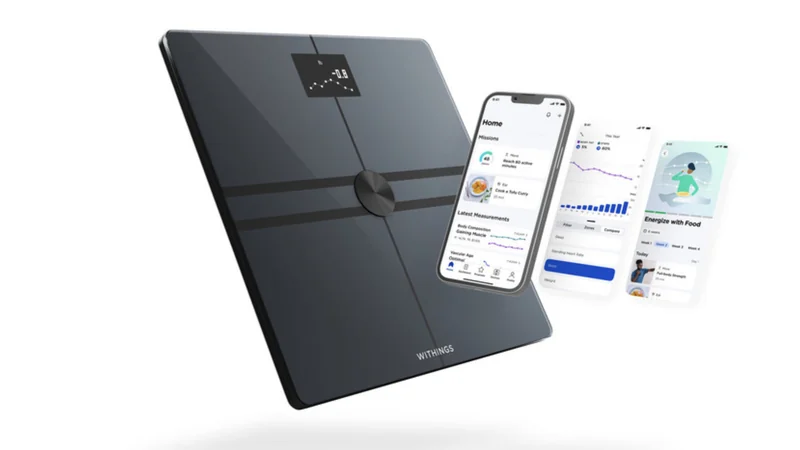
Wyze has announced the Ultra BodyScan Plus smart scale, featuring a redesigned 4.3-inch color screen on a retractable handle for eye-level readings.
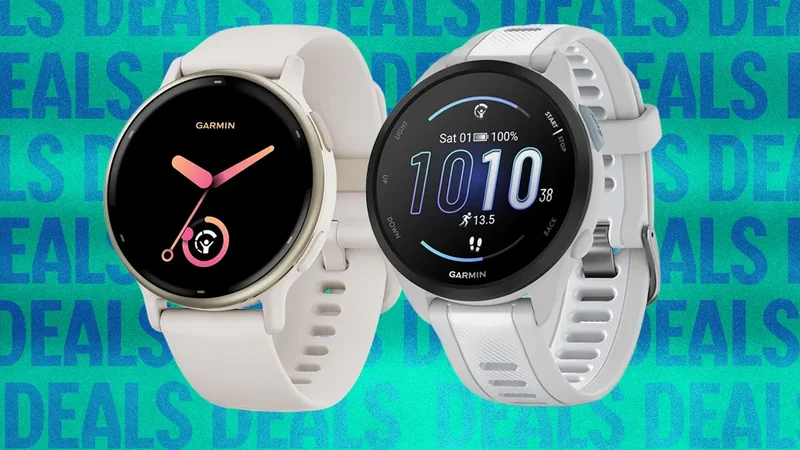
Garmin Vivoactive 5 and Forerunner 165 Discounted Online
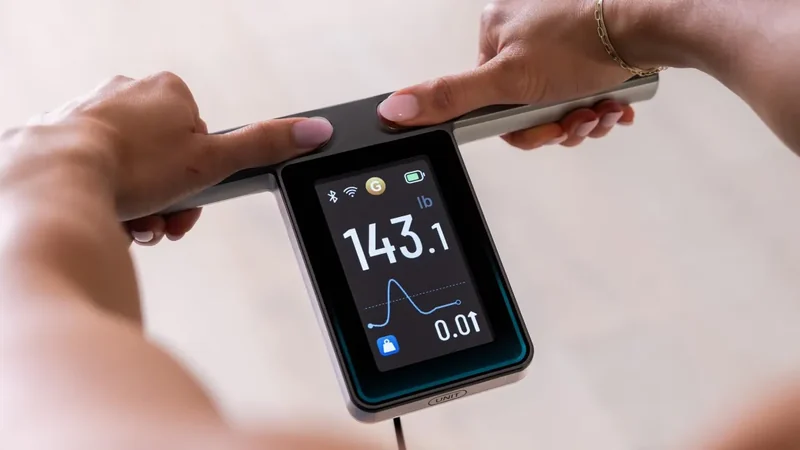
Popular entry-level Garmin fitness wearables, including the Vivoactive 5 and Forerunner 165, are currently discounted by over 20 percent.
Google Fitbit Edge Review: Balancing Style and Fitness Features
An in-depth look at the Google Fitbit Edge, examining its screen, design, battery life, health tracking, and overall hardware performance.