Volvo Turns to Nvidia for Hands-Free Driving Tech
The Swedish-designed automaker is partnering with Nvidia to deploy a Level 2++ autonomous system designed to handle complex urban environments.
 Radwan AbdulhadiEditor and technology writer
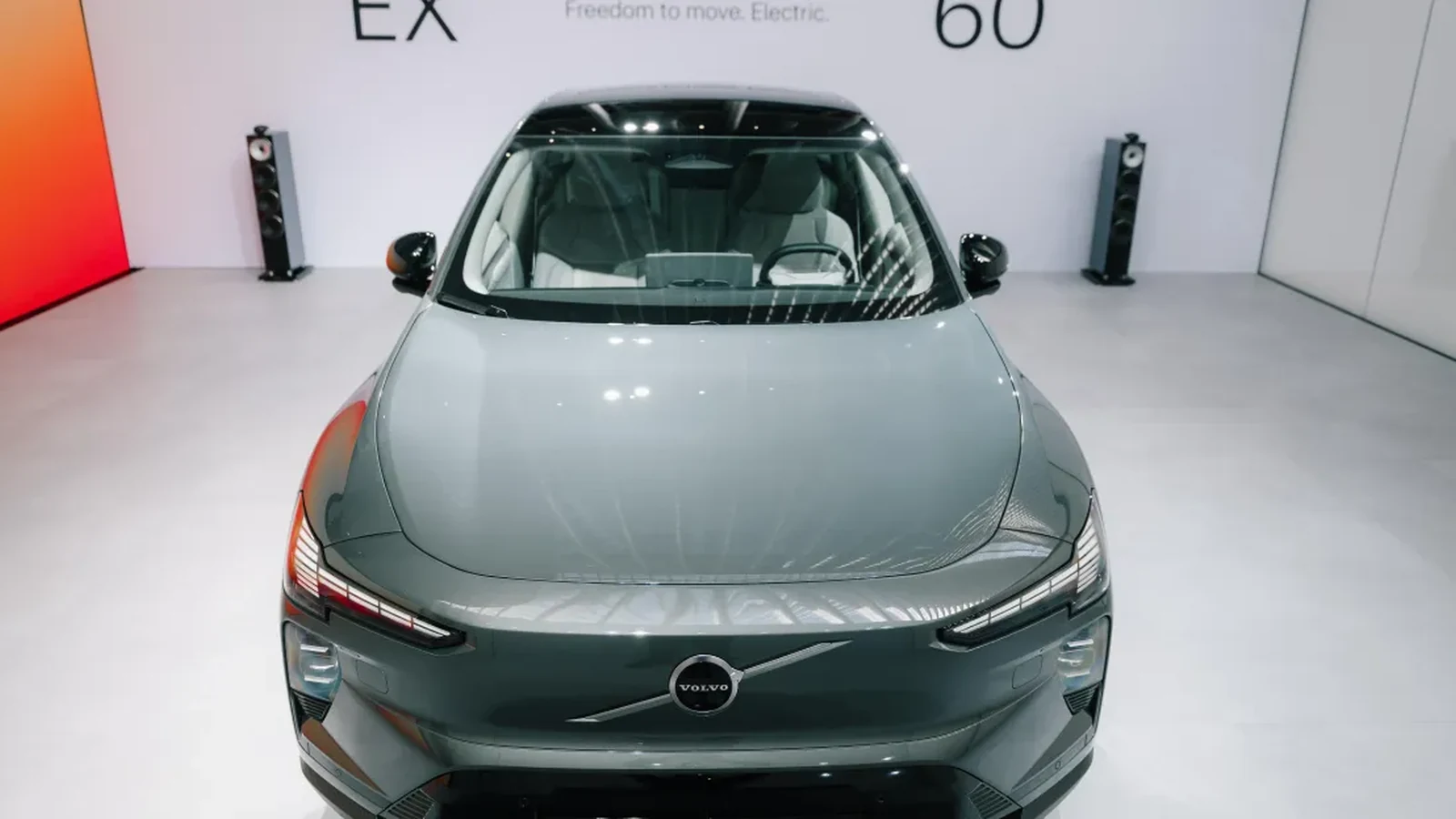
Volvo Partners With Nvidia for Urban Driving
Volvo plans to launch hands-free, point-to-point driving by 2030, powered by Nvidia’s latest AI technology. The Chinese-owned, Swedish-designed automaker announced that it would use Nvidia’s autonomous driving stack to power a new partially automated driving system similar to Tesla’s Full Self-Driving (Supervised). According to the companies, the setup will also resemble the Nvidia-powered system that Mercedes-Benz recently rolled out for the all-new CLA sedan.
Volvo says the new point-to-point system will be Level 2++, meaning it can handle complex urban environments, including traffic lights, stop signs, and unprotected left turns without explicit driver control. Ali Kani, VP and general manager of the automotive team at Nvidia, discussed the rollout and commercial implications in an interview.
Hardware and Software Architecture
Under the hood, Volvo will use Nvidia’s Hyperion platform, which includes the chipmaker’s high-powered silicon, alongside additional sensors mounted around the vehicle to help perceive surroundings. The automaker will also utilize Nvidia’s Alpamayo software, which deploys reasoning models to interpret complex road conditions and plan steering, braking, and acceleration.
The initial hardware setup will not include lidar, though it could incorporate the laser sensor in the future if Volvo decides to add it. This follows shifts in the automaker's past automation strategies, which previously included plans for lidar sensors before supplier complications arose after Luminar went bankrupt.
Past Projects and Strategic Shifts
By expanding its preexisting partnership with Nvidia, Volvo is attempting to correct course following earlier automated driving projects that faced hurdles. The automaker previously had to effectively sideline its Ride Pilot Level 3 unsupervised autonomous driving system in the US after failing to secure the necessary regulatory approvals.
Earlier vehicle development also envisioned adding specialized lidar sensors to select models, though those integration efforts were disrupted following supplier setbacks.
Safety and Connected Infrastructure
Volvo intends to integrate its historical emphasis on safety into the new Nvidia-backed architecture. Alwin Bakkenes, head of global software engineering at Volvo Cars, noted that the brand aims to combine its safety expertise with Nvidia's technology to enhance the overall user experience, incorporating proprietary driver-understanding systems that analyze behavior in detail.
Additionally, the automaker's connected safety infrastructure will play a supporting role. The system allows vehicles to exchange information about hazards and conditions ahead, effectively expanding the system's operational awareness beyond what individual vehicle sensors can detect.
Deployment Timeline and Outlook
Volvo plans to roll out the point-to-point driving system across its entire vehicle lineup, covering everything from entry-level options to high-end versions, though specific model release sequences have not yet been disclosed. Company executives have confirmed that the launch will take place before the end of the decade.
Nvidia views the expanded partnership as an important milestone for advancing vehicle autonomy while helping automakers develop sustainable business models centered on ongoing software-based offerings.
Sources
- The VergeVolvo will use Nvidia’s tech for hands-free, point-to-point driving
Continue chronologically
Related entity coverage
Related stories
Volvo Expands Partnership With Nvidia for Automated Driving
Volvo is expanding its nearly decade-long partnership with Nvidia to bring advanced automated driving systems to more of its future vehicles.
Humanoid Robots and AI Emerge as Helpers, Not Enemies
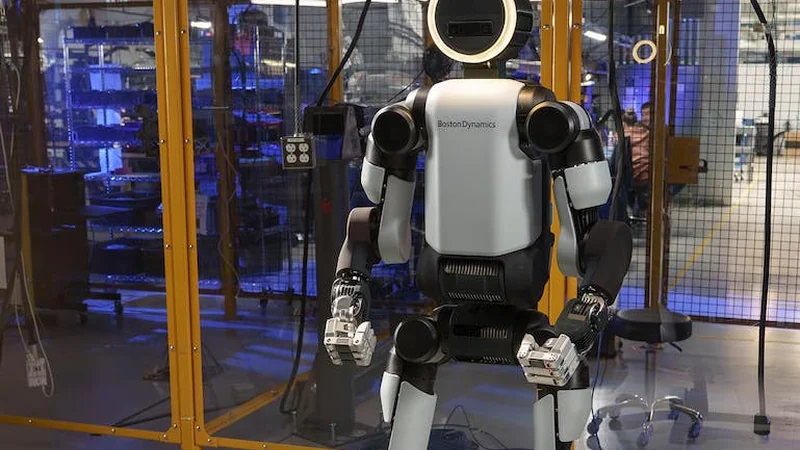
Rapid AI advances bring humanoid robots like Boston Dynamics' Atlas out of the lab and onto factory floors, serving as helpers rather than enemies.
NVIDIA Unveils Minerva for AI Factory Observability
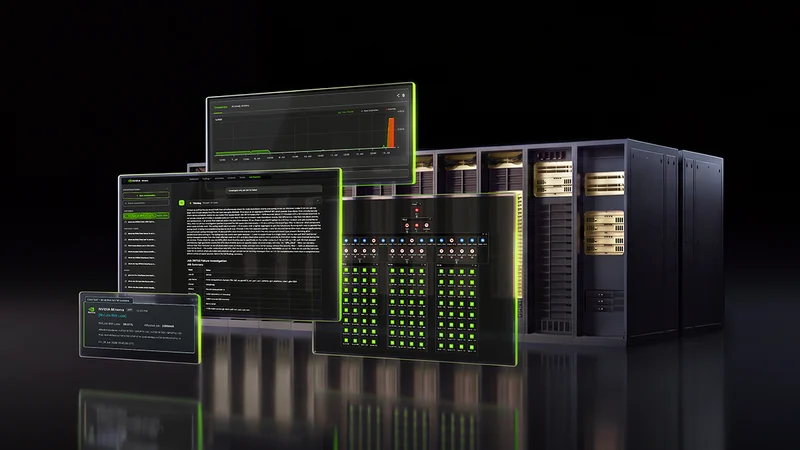
NVIDIA has launched Minerva, an AIOps platform designed to deliver end-to-end observability and maximize uptime for large-scale AI factories.
Europe's Industrial Leaders Reinvent Engineering with NVIDIA
Europe's industrial leaders are adopting NVIDIA CUDA-X, Omniverse, Cosmos, and Nemotron models to transform engineering and manufacturing operations.