Volvo Expands Partnership With Nvidia for Automated Driving
Volvo has announced an expansion of its nearly decade-long technology partnership with Nvidia, bringing advanced automated driving features to a broader range of its future vehicle lineups.
 Radwan AbdulhadiEditor and technology writer
Expanding the Automated Driving Strategy
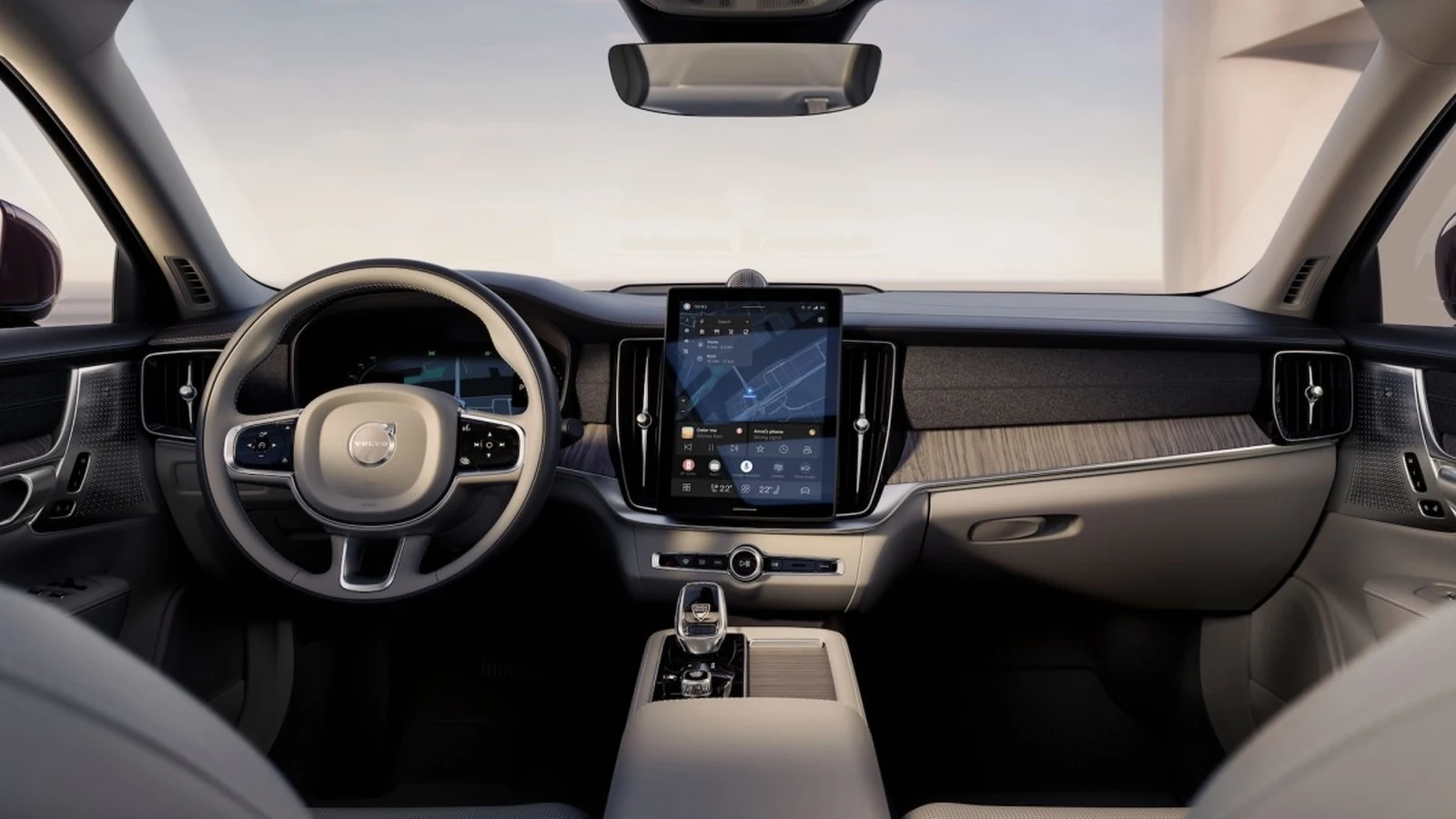
Volvo is leveling up its automated driving system through an expansion of its nearly decade-long partnership with Nvidia. As reported by <a href="https://techcrunch.com/2026/10/15/volvo-makes-a-bigger-bet-on-nvidia/">TechCrunch</a>, the companies announced that Volvo will utilize three key pieces of Nvidia hardware and software in its upcoming vehicles to deliver an automated driving system capable of navigating both urban streets and highways.
Under the terms of the expanded agreement, <a href="https://techcrunch.com/tag/volvo/">Volvo</a> will combine its internal vehicle safety systems and engineering expertise with <a href="https://techcrunch.com/tag/nvidia/">nvidia</a> architecture. This includes the Hyperion sensor and compute architecture, the <a href="https://techcrunch.com/05/nvidia-launches-alpamayo-open-ai-models-that-allow-autonomous-vehicles-to-think-like-a-human/">Alpamayo</a> driving software stack, and the Halos safety evaluation layer.
Technical Architecture and Dual-Stack Approach
According to Ali Kani, who heads up Nvidia’s automotive division, the Alpamayo software stack is designed to be redundant and diverse. It pairs a family of AI models, datasets, and simulation tools with classical software running machine learning alongside camera and radar perception.
“The point is we run these two stacks at the same time, and we have multimodal sensors in our philosophy because it’s a safer product that way,” Kani said. He also noted that the open-source Alpamayo software has already been downloaded by more than 650,000 developers.
Broadening Beyond Battery-Electric Vehicles
While Volvo's relationship with Nvidia is well established, the latest collaboration marks a strategic shift to bring advanced automated driving software to all vehicle types rather than focusing solely on battery-electric vehicles. Currently, Volvo's battery-electric vehicles rely on Nvidia’s Orin computer chip to process camera, radar, and sensor data.
“What we’re going to do in the future is actually standardize more on Hyperion — also from a sensor set perspective — to really open up the stack for the wider partnership with Nvidia,” explained Alwin Bakkenes, Volvo’s head of software development.
Evolution Toward a Full-Tech Stack Company
Volvo has not disclosed the specific financial value of the partnership, nor has it named the exact vehicle model that will first feature the new Nvidia tech stack. However, Bakkenes highlighted the broader structural changes happening within the automaker as it transitions into developing a full-tech stack designed for electric, plug-in hybrid, and gas-powered vehicles alike.
“Automakers used to be very much like car-line-based development and working with various suppliers, etc. and we have completely changed and migrated into being a full-tech stack company,” Bakkenes stated, adding that the new technology will debut in a brand-new vehicle coming within the decade.
Sources
- TechCrunchVolvo makes a bigger bet on Nvidia
Continue chronologically


Related entity coverage
Related stories
Volvo Turns to Nvidia for Hands-Free Driving Tech
Volvo plans to launch a hands-free, point-to-point partially automated driving system powered by Nvidia AI technology before the end of the decade.
NVIDIA Expands Open Models to Advance Europe's AI
NVIDIA expands its family of open models across language, robotics, biology, and quantum computing to advance Europe's sovereign intelligence.

NVIDIA Expands Cosmos Platform With New Training and Simulation Tools
NVIDIA has expanded its Cosmos platform with new training tools, simulation checkpoints, and Cosmos Data Factory blueprints for physical AI development.
NVIDIA Expands Confidential Computing to Scale AI Infrastructure
NVIDIA expands its Confidential Computing platform with Confidential Bare Metal, securing frontier AI models and data across global infrastructure.