Slate vs Ford Fathom: EV Infotainment Tech
As automakers race to deliver affordable electric pickups under $30,000, Slate and Ford are taking vastly different routes regarding infotainment technology and smartphone integration.
 Radwan AbdulhadiEditor and technology writer
The Race for the Sub-$30,000 Electric Pickup
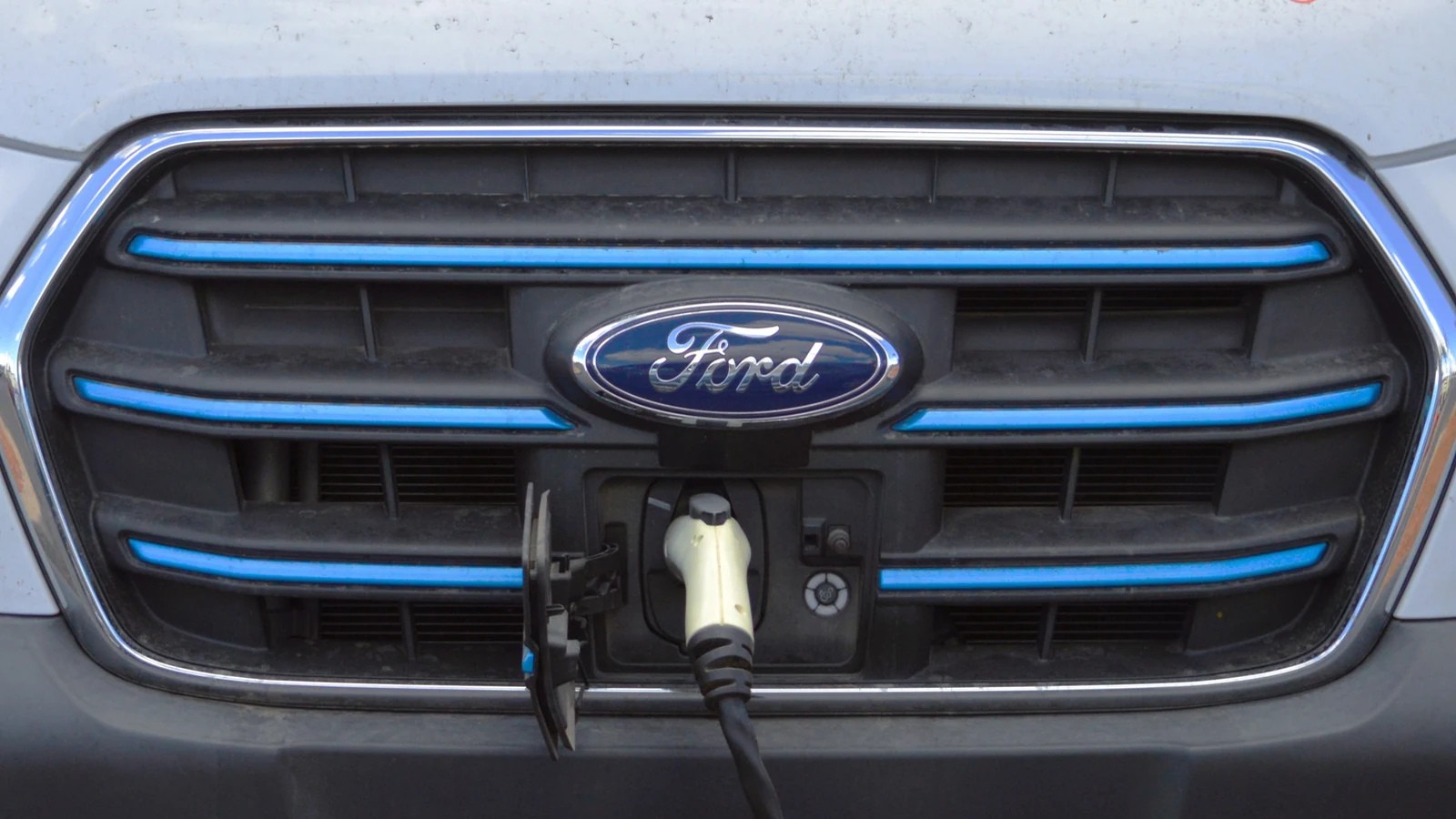
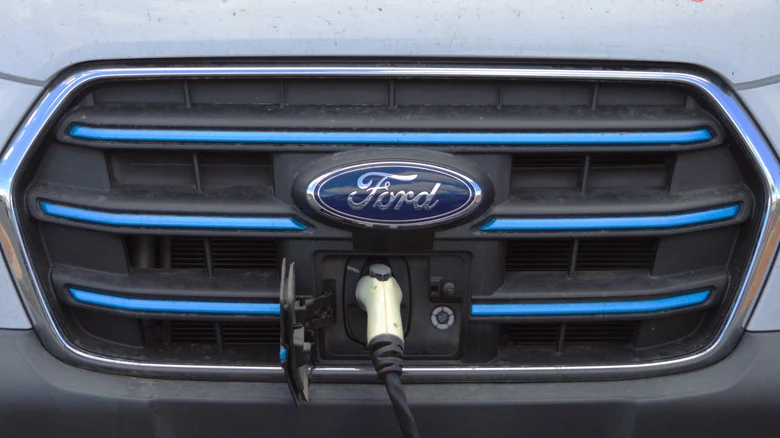
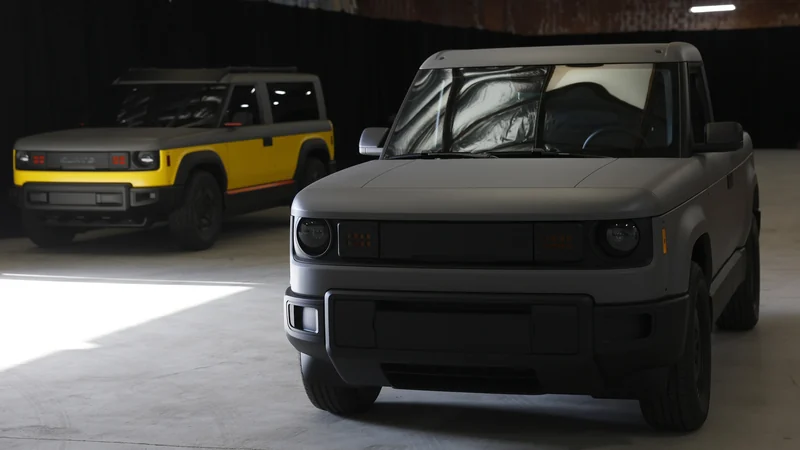
Both Ford and Slate are pursuing the same enticing goal: an electric pickup starting below $30,000. According to details on the vehicles, the Blank Slate Truck starts at $24,950 plus a $1,450 destination charge, while the Ford Fathom starts at $28,350 plus a $1,595 destination charge.
However, once you look more closely at the cabin design and feature sets, the two automakers are taking completely opposite paths to reach this competitive price point. While Ford retains a traditional center display with modern software, Slate asks drivers to bring their own screens.
Slate Relies on Personal Devices Instead of Screens
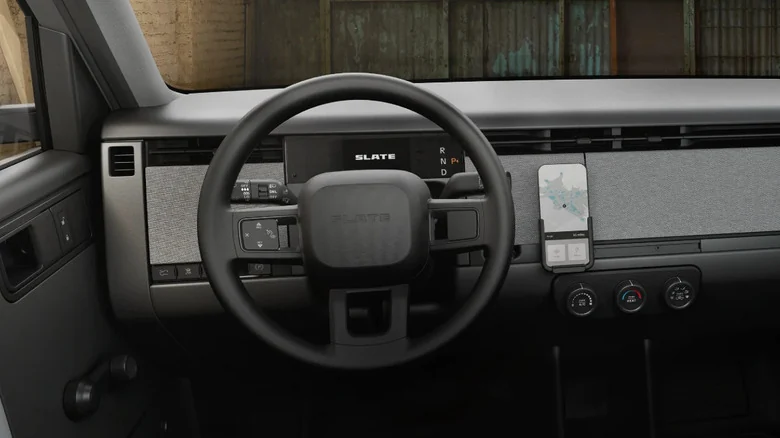
Slate has opted out of including a traditional infotainment system. Instead, the vehicle provides a built-in place to mount and charge a smartphone or tablet. Slate hasn't merely left CarPlay off the options sheet; its approach shifts the computing workload entirely to the user's personal device.
Phone mounting and charging are standard, and buyers can opt for accessory speakers and a bracket that fits a larger tablet. Navigation, music, and other compatible apps remain on the user's device. According to reports from InsideEVs, vehicle software updates can even be downloaded onto a phone and transferred to the truck, avoiding the need for an embedded cellular connection.
While this method ensures that the infotainment hardware will not become hopelessly dated as the truck ages, it introduces compromises. A phone screen is naturally smaller than a dedicated dashboard display. Some prospective owners are already discussing aftermarket stereos, Raspberry Pi projects, and alternative ways to introduce CarPlay or Android Auto into the cabin.
Ford Adopts a Familiar Approach with CarPlay and Android Auto
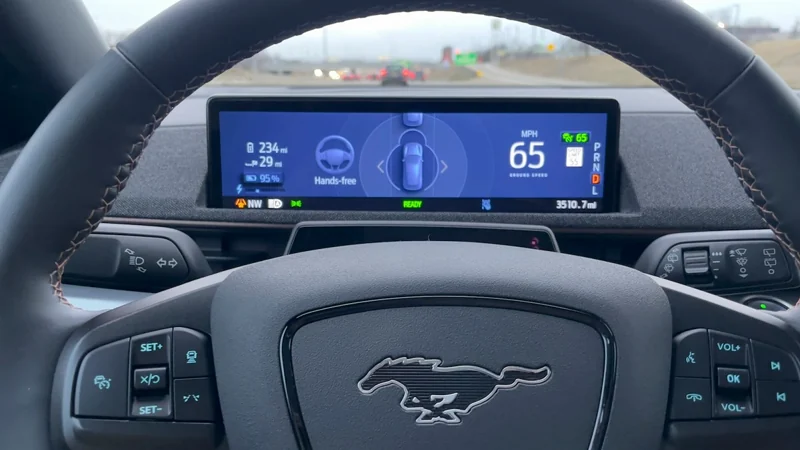
By contrast, Ford takes the more familiar route for its midsize electric truck. The Fathom's built-in display will support Apple CarPlay and Android Auto natively. Additionally, the truck includes a digital key, bidirectional power, and hardware for Ford's next-generation BlueCruise hands-free system, which requires activation.
Ford has not yet announced the Fathom's projected range, towing capacity, or payload specifications. Preorders for the vehicle are scheduled to begin in early 2027.
Different Cost-Cutting Strategies in Manufacturing
The infotainment gap makes more sense when examining how each company is building a cheap EV. Slate is starting from scratch, allowing the company to ruthlessly question what components need to be included. Meanwhile, Ford has more than a century of vehicle manufacturing experience and is relying on streamlined engineering and assembly.
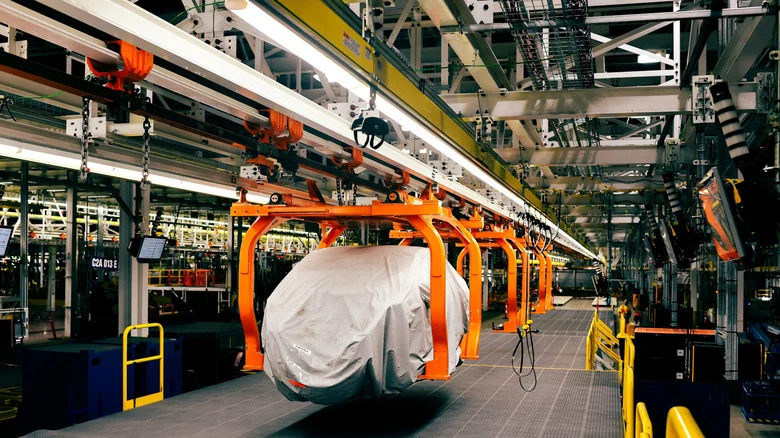
Ford is investing $2 billion to retool the Louisville Assembly Plant around its Universal EV Production System. The automaker reports that this platform uses 20 percent fewer parts than a typical vehicle, 50 percent fewer cooling hoses and connections, and a wiring harness more than 4,000 feet shorter than the one in the first-generation Mustang Mach-E. Assembly times are expected to be 15 percent faster than previous products.
Consumer Demand for Smartphone Integration
Smartphone integration remains a significant factor for vehicle buyers. Deloitte's 2025 Global Automotive Consumer Study surveyed over 31,000 consumers across 30 countries and found that 63 percent of US respondents considered smartphone connectivity via CarPlay or Android Auto to be somewhat or very important in their next vehicle.
Slate's approach may appeal strongly to buyers looking for a simplified, less expensive two-door electric pickup with minimal electronics. However, features like CarPlay and Android Auto often reveal their true value only after drivers have lived without them, whereas the five-seat Fathom positions itself as a more conventional daily driver.
Sources
- EngadgetThe Slate vs Ford Fathom debate might be settled by this one key tech feature
Continue chronologically

Related stories
Why Syncing Your Phone to a Rental Car Risks Your Privacy
Learn why syncing your phone to a rental car via Bluetooth poses privacy risks and how to properly clear your personal data before returning it.

How Much Can the Slate Truck Actually Carry?
Discover the hauling and towing specifications of the upcoming Slate truck, a compact EV designed to compete with popular gas-powered models.
Ford Unveils New Privacy Promise for Connected Vehicles
Ford has launched a new privacy promise and educational website to clarify how and why it collects and handles customer vehicle data.
Android Games Officially Expand to Car Screens
Google has officially moved its games category for Android Auto and Android Automotive OS from beta to general availability for developers.