Why Most Electrical Plug Prongs Have Holes in Them
While commonly mistaken for everyday home utility features, the holes in electrical plug prongs primarily serve manufacturing and historical purposes.
 Radwan AbdulhadiEditor and technology writer
The Real Purpose Behind Plug Prongs
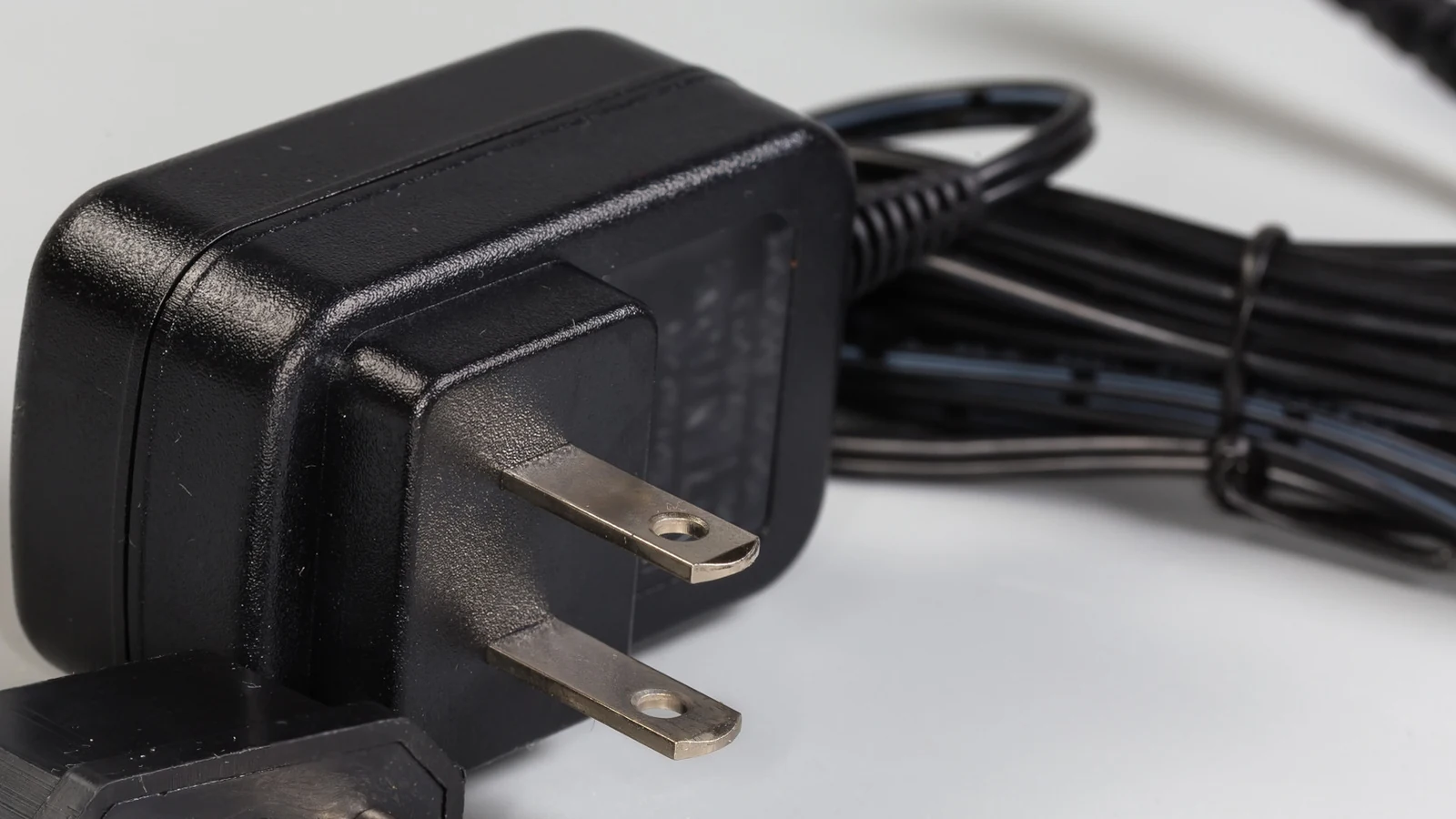
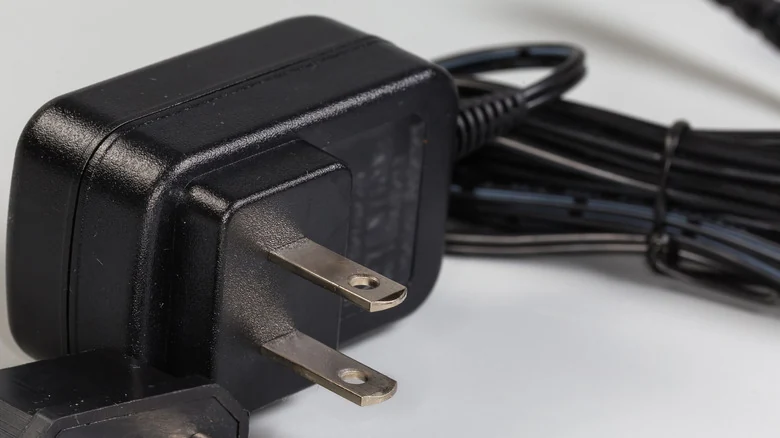
If you have ever looked closely at the end of a household electrical plug, you have likely wondered why some prongs feature small holes while others do not. According to reports from Engadget, these enigmatic openings once served an everyday purpose in the home, but today they are primarily useful during the manufacturing process.
During production, a factory worker passes an alignment rod through the holes to hold the metal blades securely in position before plastic is molded around the assembly. These holes also double as lockout tags, serving as a necessary safety mechanism. This simple production method helps keep components correctly aligned whether factories are producing ordinary plugs for home appliances or smart plugs for smart home integration. However, users should keep in mind that they should not plug a power strip into your smart plug.
Historical Context and the Outlet-Gripping Theory
A common explanation found in everyday discussions is that the holes help an outlet grip the plug tightly. While this sounds completely sensible, it is no longer grounded in reality.
According to the National Electrical Manufacturers Association (NEMA), the holes originally worked together with a small raised feature located inside the wall receptacle. This feature, known as a detent, would basically click directly into the hole to help retain the plug inside the socket.
Evolution of Receptacle Standards
As industry standards progressed, Underwriters Laboratories (UL) revised the specifications on electrical receptacles to hold plugs securely in place without requiring the holes. These updated requirements also placed limits on how difficult a plug should be to remove, using a different test gauge that lacked matching holes.
Consequently, most manufacturers stopped adding the corresponding raised features inside wall outlets because they offered no help in meeting minimum performance requirements and only made the plugs harder to withdraw. The detent design eventually faded from ordinary household wall outlets, but the holes in the plug blades themselves remained an optional design feature.
Compatibility With Modern and Older Outlets
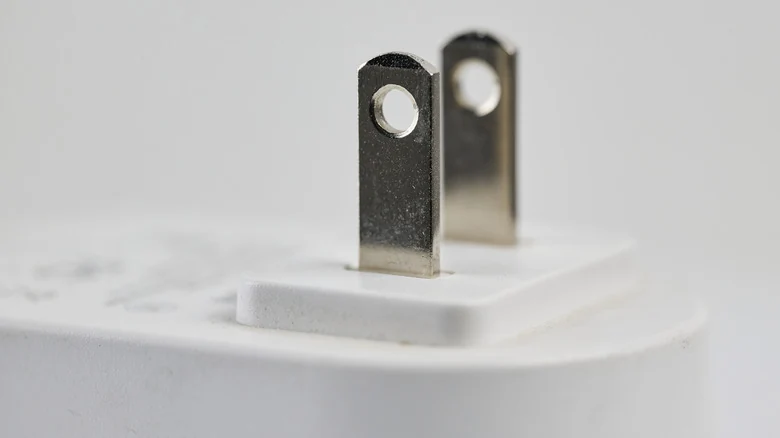
Outlets manufactured today are designed to hold the blades securely in place, while the holes remain fully compatible with older receptacles. A plug without any holes is completely fine, meaning it is not defective or missing required safety features. At the same time, users should remain mindful of general hardware safety guidelines, such as remembering that extension cords, shouldn't be plugged in at all times.
When a manufacturer produces a plug with holes, it must follow strict sizing and lead-in shapes to maintain compatibility across both old and new receptacles. Furthermore, a solid, hole-free blade will still make proper electrical contact and successfully close the circuit in an appropriate outlet, including modern variants like those with retractable prongs.
Practical Concerns and Outlet Maintenance
For consumers, the only practical concern regarding loose connections usually points back to the condition of the wall receptacle rather than the plug prongs. If a plug slides back out of an outlet with very little resistance, the issue is likely routine wear and tear inside the receptacle itself.
Homeowners experiencing this do not need to hunt specifically for plugs with holes; instead, replacing the worn wall receptacle is the proper remedy. Changing an old receptacle is relatively straightforward, provided that the power is securely cut off at the main breaker before starting any electrical work.
Sources
- EngadgetThe reason most electrical plug prongs have holes in them
Continue chronologically


Related stories
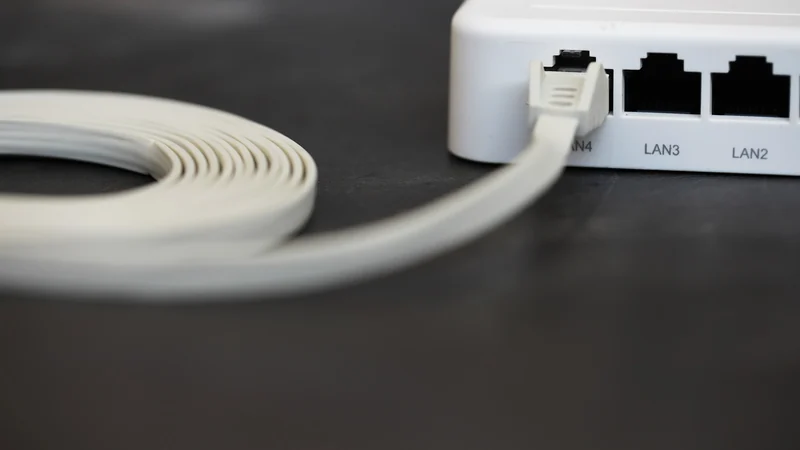
Why Flat Ethernet Cables Might Harm Home Networks
Explore the performance tradeoffs, signal interference risks, and physical durability issues of flat Ethernet cables compared to traditional round ones.
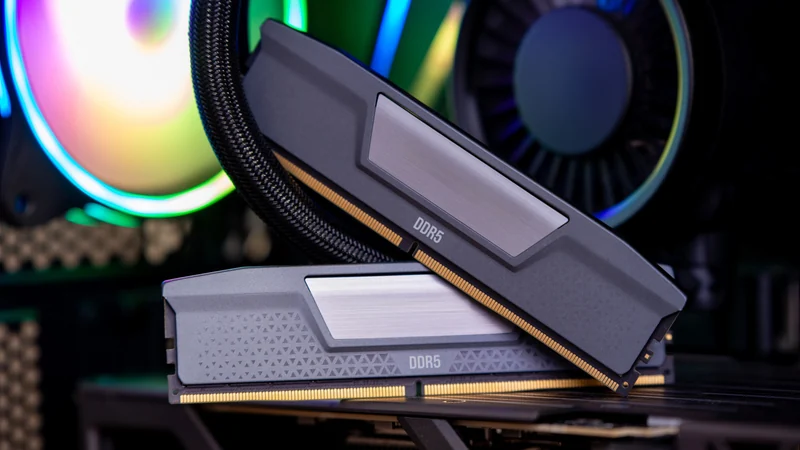
How much does DDR5 RAM speed matter for gaming?
Explore how memory bandwidth and latency impact gaming frame rates, and whether high-end DDR5 RAM speeds are genuinely worth the extra cost.
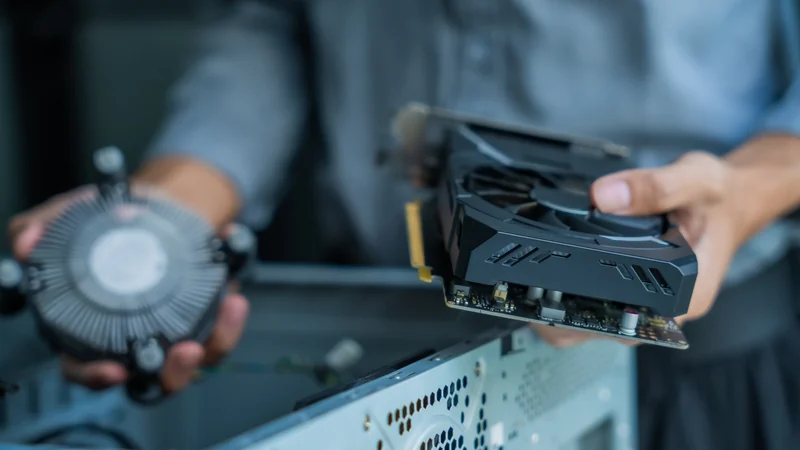
How to Improve Your PC Airflow and Cooling Performance
Learn essential strategies to improve your PC's airflow, manage fan placement, control case pressure, and keep all your components running cool.
Why Wi-Fi Speeds Drop in the Evening and How to Fix Them
Discover why your internet slows down in the evening due to network congestion and Wi-Fi interference, plus practical steps to fix the issue.