U.S. Hunger Connects Leaders and Data Using Amazon Quick
The nonprofit organization addressing food insecurity relies on Amazon Quick to connect organizational data with leadership decisions, streamline collaboration, and investigate policy questions.
 Radwan AbdulhadiEditor and technology writer
Connecting Food Security Mission with Data
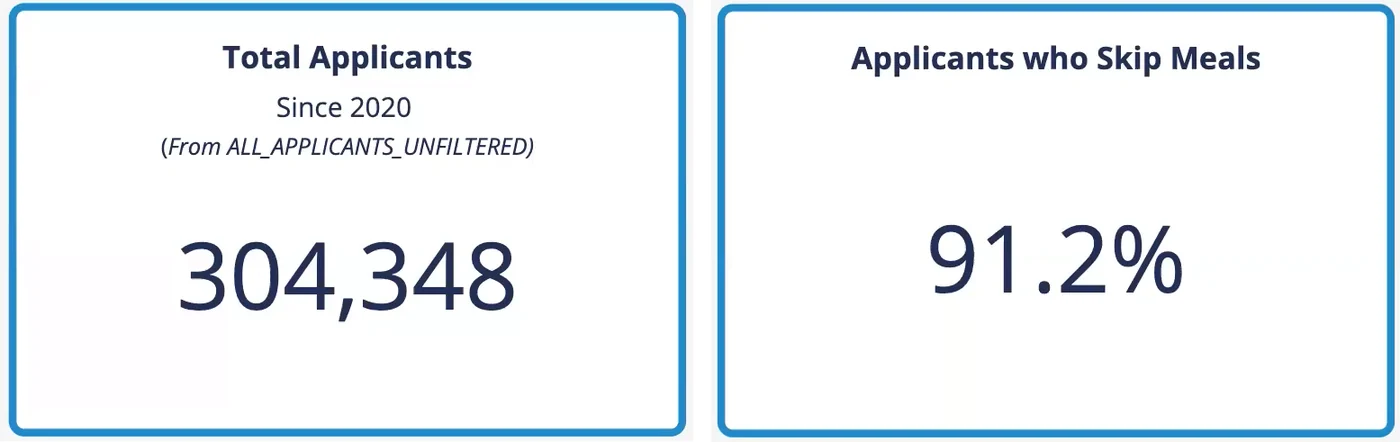
For U.S. Hunger, feeding families involves understanding the people behind each request, the pressures they face, and the underlying business operations. The organization, which has delivered more than 250 million meals historically across 59 countries with current operations concentrated primarily in the United States, experienced approximately 500 percent growth over four years against a 15–20 percent headcount growth. To manage operations efficiently with a lean team, the organization utilizes Amazon Quick to connect organizational data with leadership decisions.
President and CEO Rick Whitted first learned about Quick through an AWS Social Entrepreneur Accelerator event. Chief technology officer Ezekiel Brooks provided access to core datasets from Full Cart, the organization's food-assistance program that delivers donor-funded food directly to households in need. This setup allowed leadership to explore organizational data directly without requesting a new data pull from the technology team for every question.
Data Architecture and Nightly Refreshes
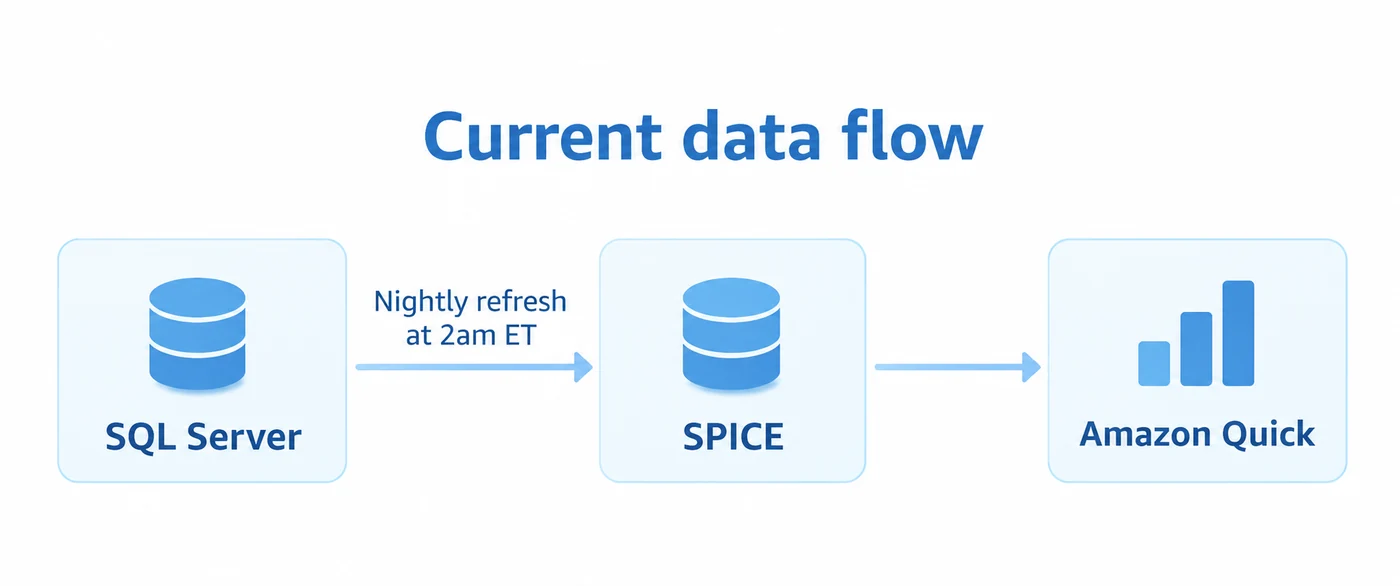
The data utilized in these analyses originates from Impact Manager, U.S. Hunger's proprietary cloud-based data platform supporting its food-assistance initiatives. Quick pulls data from SQL Server into its in-memory engine, SPICE, using scheduled refresh jobs executed at 2 AM ET each night. The technology team and research colleagues prepare these datasets and establish definitions to help leadership accurately interpret the incoming information.
Streamlining Collaboration with Quick Spaces
Collaboration across leadership improved significantly through the adoption of Quick Spaces. A Space offers colleagues a centralized environment to work with documents, definitions, and analyses tailored to specific business areas. Leaders can review shared KPI definitions and financial context together, helping align resources and streamline strategic decisions without scheduling additional meetings.
The executive team maintains a shared document of KPIs compiled over more than a year of working across Salesforce, NetSuite, Impact Manager, and the payroll system. By organizing these metrics inside a designated Space, leadership reduces operational noise and maintains focused discussions around organizational goals and financial resources.
Investigating Policy and Research Questions
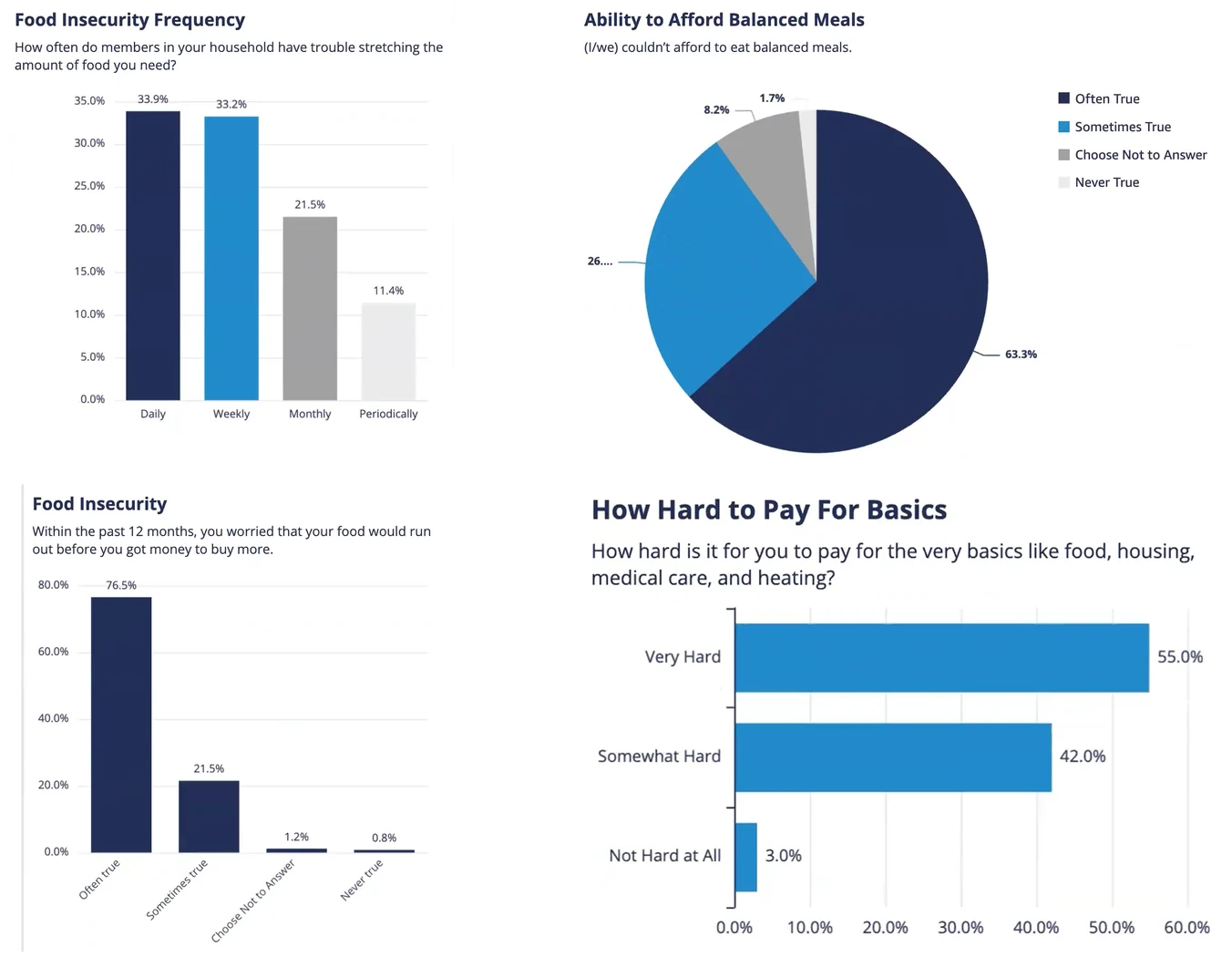
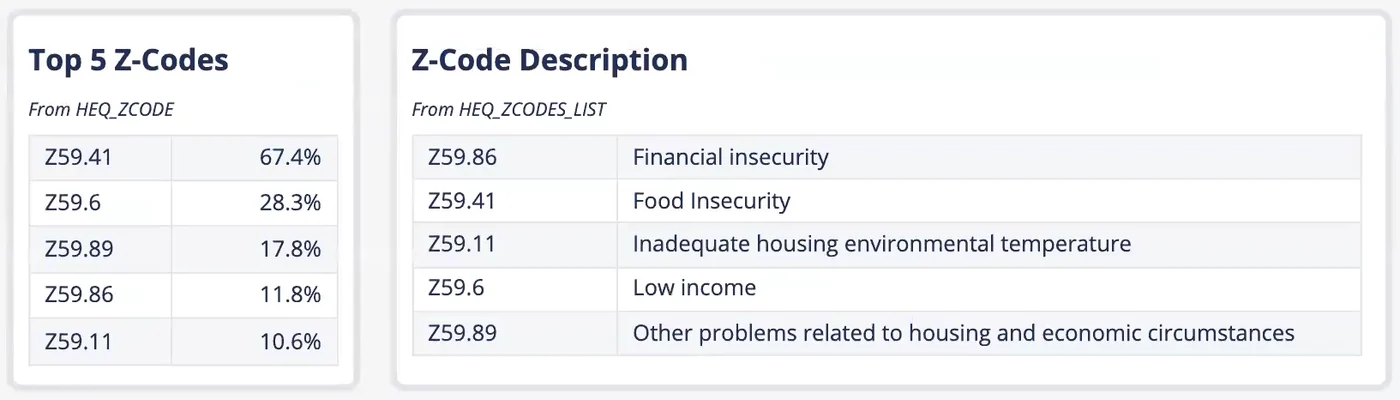
U.S. Hunger also applies Amazon Quick Research to investigate current events, support communications, and connect policy questions with survey data. Following the U.S. Department of Agriculture announcement regarding the conclusion of Household Food Security Reports, accessing alternative evidence sources has become increasingly vital for understanding the circumstances surrounding food insecurity. Utilizing features like version history in Quick Research allows the leadership team to revisit earlier iterations while refining ongoing investigations.
Looking Toward a National Data Resource
Beyond internal operational improvements, U.S. Hunger aims to expand data accessibility to a wider audience. The organization envisions establishing a national hunger-data resource that enables researchers and the public to explore the real experiences of families seeking assistance, alongside planned enterprise offerings designed for corporate stakeholders.
Sources
- AWS Machine Learning BlogHow U.S. Hunger connects leaders and data using Amazon Quick
Continue chronologically

Related entity coverage
Related stories
Amazon Quick Adds Live Data Support for AI-Built Apps
Amazon Quick introduces Live Data in Apps, allowing AI-built web applications to query governed datasets in real time instead of using static snapshots.
Managing User Role Downgrades in Amazon Quick
Learn how to safely downgrade user roles in Amazon Quick using manual deletion or the AWS CLI while preserving critical assets.
Deploying AI in HIPAA Environments with Amazon Quick
Learn how healthcare organizations deploy agentic AI within a HIPAA-eligible environment using Amazon Quick while managing strict regulatory compliance.
Amazon Quick and Bedrock Tackle RAG Access Control
Amazon Quick and Amazon Bedrock Knowledge Bases implement real-time ACL enforcement to secure enterprise RAG solutions against stale permissions.