Can You Run Regular Ethernet Cables Outside?
While it is technically possible to run standard indoor Ethernet cables outside, doing so exposes your network and hardware to significant environmental risks.
 Radwan AbdulhadiEditor and technology writer
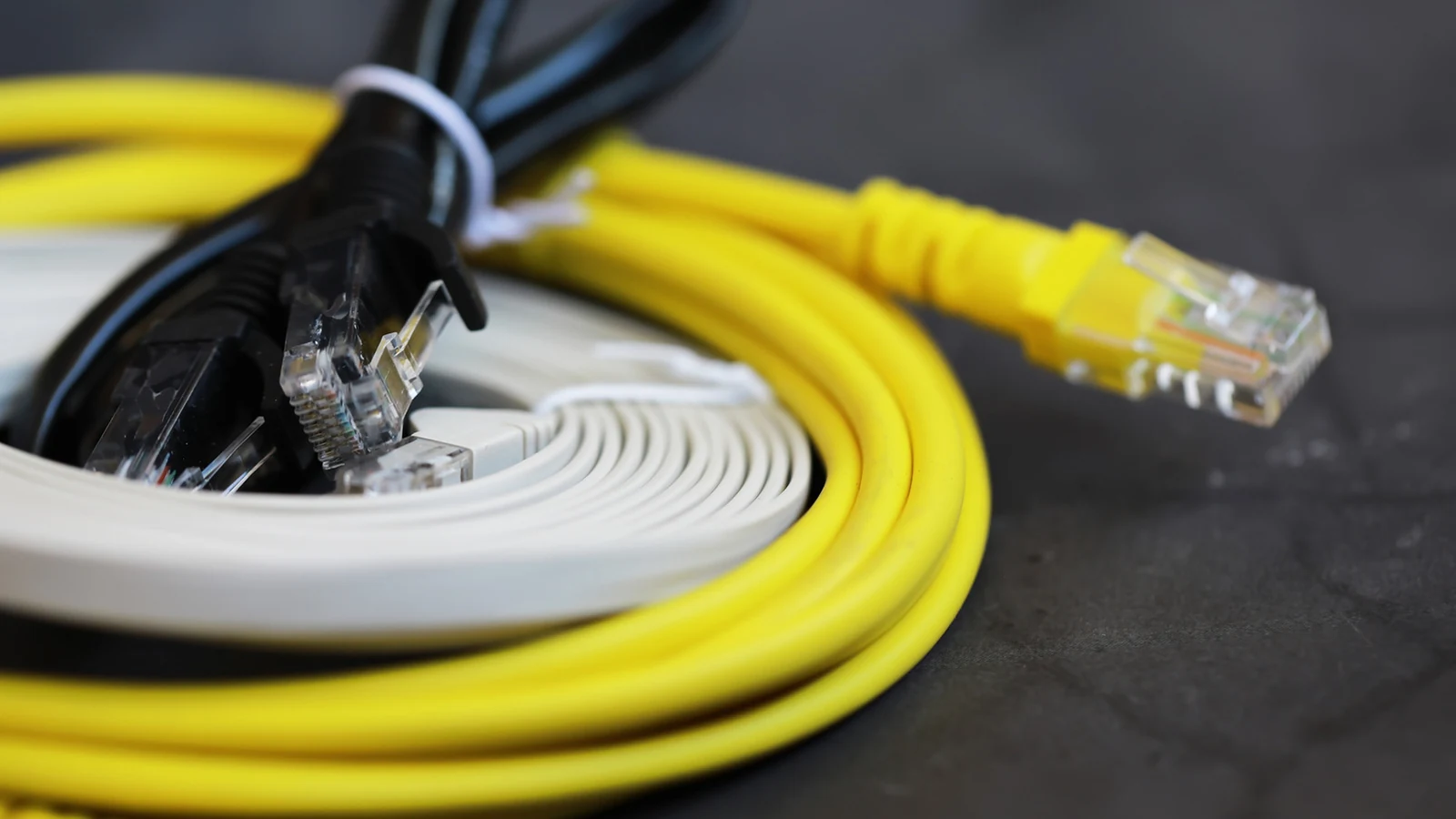
The Risks of Using Indoor Cables Outdoors
Cable category terms like Cat5e and Cat6 have an industrial sound, which leads some people to assume they are tough enough for outdoor deployment. Because network connections do more than just improve home internet , they are frequently considered for yard or porch security cameras. However, standard indoor Ethernet cables feature a flexible PVC jacket that is vulnerable to sunlight. Over time, UV exposure causes the jacket to fade and crack, exposing internal components and degrading network performance.
Outside rain and temperature extremes accelerate this degradation. Furthermore, standard indoor copper cables lack proper protection from lightning strikes and other severe environmental elements. Best practices dictate using a cable specifically rated for outdoor exposure, and installing surge protection on either end of the line regardless of the rating used.
Understanding Outdoor and Direct-Burial Cables
There is an important distinction between standard outdoor Ethernet cables and direct-burial variants. Outdoor cables typically incorporate a more weather-resistant polyethylene jacket, such as LLDPE or PE, which offers vastly superior resistance to moisture, ultraviolet exposure, and wide temperature swings compared to standard PVC materials.
When a cable must run underground across a yard, a direct-burial-rated cable is required. These cables are engineered to withstand long-term exposure to moisture and the crushing physical pressure of surrounding soil. Depending on the exact model, a direct-burial cable may utilize specialized water-blocking tape, powder, or gel to ensure the internal wires remain completely dry even if the outer sheath suffers minor damage.
How to Identify Outdoor-Rated Ethernet Cables
Verifying whether an Ethernet cable is rated for outdoor deployment requires checking the printed text on its jacket. Category labels and cable colors do not indicate weather resistance. Instead, look for designations such as "CMX," "OSP," "UV-resistant," "sunlight-resistant," or simply "outdoor." Jacket materials like PE, HDPE, or LLDPE are also common indicators.
The National Electrical Code (NEC) mandates that communications cables installed inside buildings must be listed and marked. Underwriters Laboratories guidance notes that cables evaluated for outdoor use carry specific markings confirming their approval for wet locations or direct burial, which should always be verified alongside accompanying product documentation.
Installation Best Practices and Local Codes
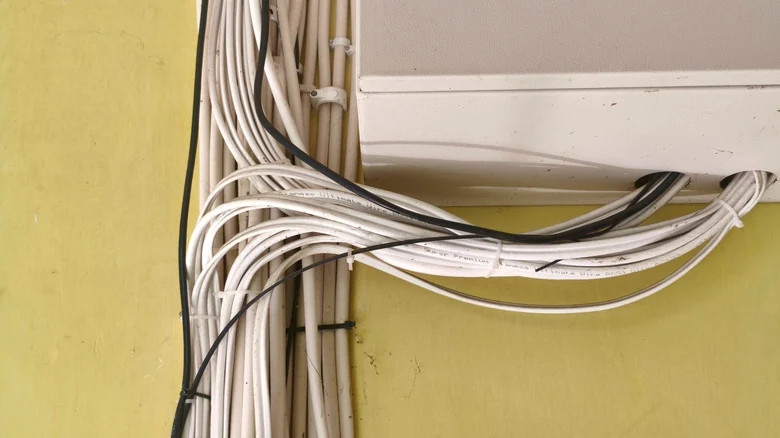
Before starting any digging project, installers must review local ordinances regarding buried wires, required trench depth, permissible cable types, and conduit regulations. For simple exterior runs to an outdoor access point, a Cat6 outdoor-rated Ethernet cable is typically appropriate. Installers should always secure exterior runs using cable clips to prevent abrasion and avoid sharp bends.
It is also vital to recognize that outdoor-rated cables do not necessarily comply with indoor fire safety standards. An unlisted outdoor cable generally cannot run more than 50 feet inside a building without terminating into an indoor-rated cable. Reviewing manufacturer literature and local building codes ensures safe, permanent network installations.
Sources
- EngadgetCan you run regular Ethernet cables outside?
Continue chronologically


Related stories
Why Joining Two Ethernet Cables Can Cause Network Issues
Discover why joining two Ethernet cables with a coupler can cause network dropouts and learn better alternatives like switches or longer cords.
Why Ethernet Cables Use Twisted Wires Inside
Explore the science and history behind twisted pair wires in modern Ethernet cables, from Alexander Graham Bell to reducing electromagnetic interference.
Why Flat Ethernet Cables Might Harm Home Networks
Explore the performance tradeoffs, signal interference risks, and physical durability issues of flat Ethernet cables compared to traditional round ones.
How to Check Your Ethernet Cable's Speed and Diagnose Slowdowns
Learn how to check your Ethernet cable speed, understand link rates, diagnose hardware bottlenecks, and test local network throughput.