Android Developers Blog Is Moving to a New Home
The Android Developers Team has announced that its official news hub is transitioning away from Blogger to a newly integrated platform.
 Radwan AbdulhadiEditor and technology writer
Transitioning Away From Blogger
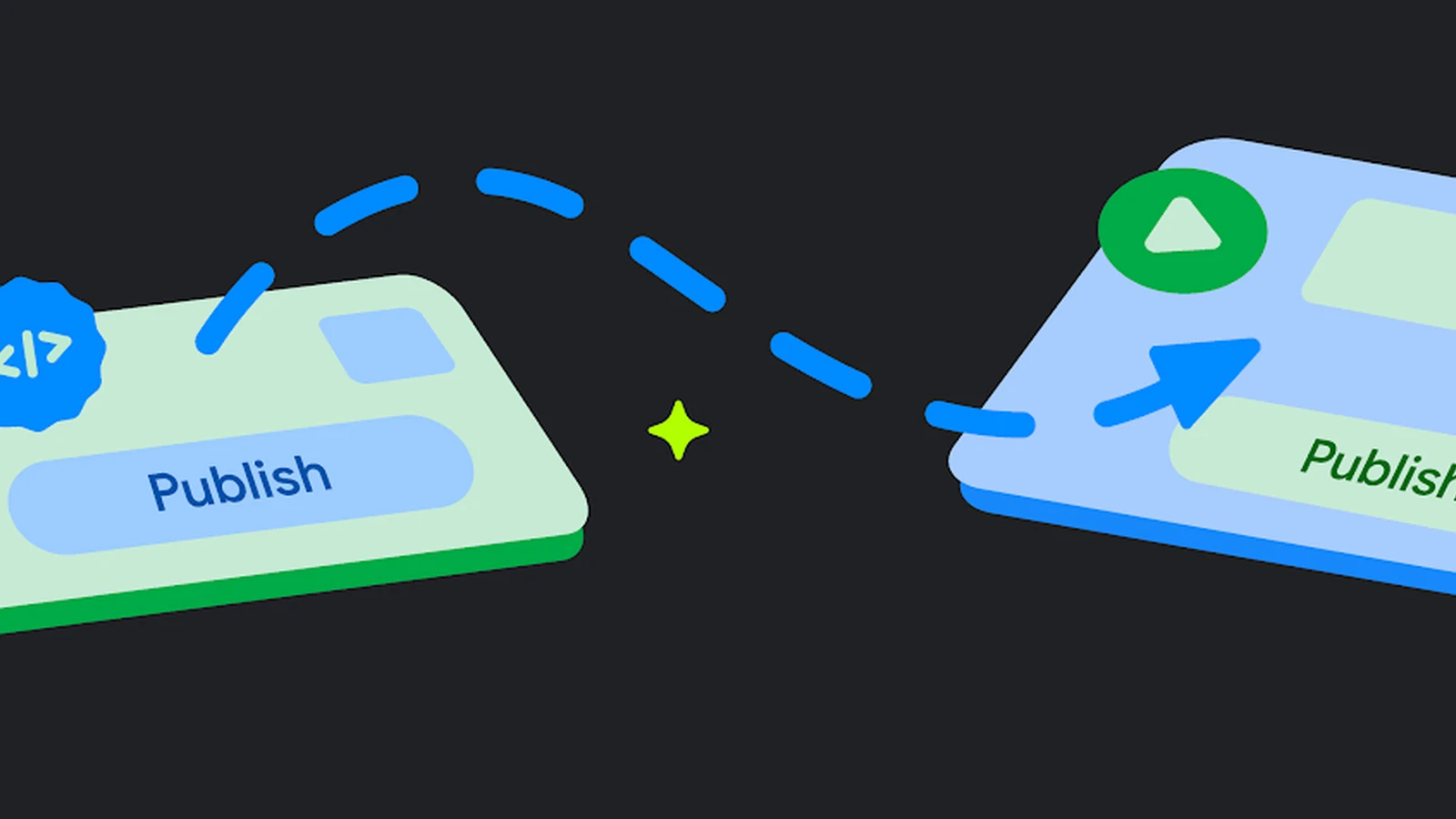
The Android Developers Team has officially announced a significant change to how it delivers news, updates, and engineering insights to the global developer community. After utilizing Blogger as its primary publishing platform for years, the team is officially closing this chapter and moving its operations to a new digital home. This transition marks a major evolution in how the platform communicates important updates regarding the Android ecosystem, developer tools, and upcoming events.
For developers, product managers, and technology enthusiasts who have followed the ecosystem closely over the years, this move represents a fresh start. The historical archive on Blogger has served as a foundational repository for platform updates, architectural guidance, and deep dives into building robust mobile applications. As technology landscapes shift, centralizing resources becomes crucial for maintaining an efficient workflow and ensuring that technical teams can access verified information swiftly. Further details are available from Android Developers Blog in the original source material.
The announcement underscores a broader trend among major technology corporations to consolidate their educational and informational resources into unified developer portals. By bringing the blog directly under the primary umbrella of the main developer portal, the platform can offer a more cohesive browsing experience. Developers frequently visit various sub-pages to check documentation or explore developer tools, making the integration of news articles a natural and welcome progression for everyday users.
The New Destination at developer.android.com
All upcoming official news, feature announcements, and engineering insights will now be published directly at developer.android.com/blog. This migration brings the blog in close physical and navigational alignment with other core technical resources provided by the ecosystem. Instead of visiting a separate blogging domain, readers will find themselves within the main ecosystem hub, streamlining their journey from high-level announcements straight into deep technical documentation.
Centralizing the publication channels allows the engineering teams to bridge the gap between announcements and actionable implementation guides. When a new platform feature, Jetpack library update, or Android Studio capability is released, developers can read the announcement and immediately pivot to the relevant reference materials without navigating across disparate web properties. This tighter coupling is expected to save time and reduce friction for teams building modern applications.
Furthermore, the architectural shift ensures that the publication benefits from the same modern web standards and design principles applied to the rest of the ecosystem's web properties. Visitors can expect a cleaner visual hierarchy, responsive layouts, and a seamless reading experience whether they are reviewing announcements on a desktop workstation or checking updates on a mobile device during a conference or commute.
Enhanced Formatting and Technical Integration
According to the official announcement shared by the team, the new blog platform brings several distinct improvements over the legacy Blogger setup. Among the most notable upgrades is improved formatting, which will allow for cleaner code snippets, better image handling, and more structured technical breakdowns. As engineering insights become more intricate, having a flexible and modern content management system is vital for presenting complex programming concepts clearly.
In addition to visual enhancements, the new platform features tighter integration with the site's broader technical content. Developers frequently rely on comprehensive documentation, API references, and specialized guides when building apps. By embedding the blog within this technical ecosystem, readers can easily transition from reading a high-level post about architecture recommendations or performance optimization to exploring the actual code implementations.
This integration also supports better cross-referencing between blog posts and related topics across the main portal. Whether an article discusses modern UI development, background processing, or distribution strategies, readers will benefit from contextual links and unified navigation tools designed to keep them informed and productive throughout their development cycle.
Easier Navigation and Improved Discoverability
Navigational improvements form a cornerstone of the new blog rollout. The legacy Blogger site, while functional, presented limitations in terms of customized categorization, targeted searching, and deep taxonomy management. The new setup on the primary developer portal leverages advanced site structures, making it significantly easier to find historical articles, filter posts by specific categories, and discover related engineering content.
Discoverability is particularly important for developers who need to track deprecations, API changes, and best practices across multiple platform versions. With a streamlined interface and intelligent categorization, finding specific historical announcements or deep technical dives will require fewer clicks. This efficiency aligns with the overall goal of minimizing friction and maximizing the time developers can spend actually writing and shipping code.
The layout is optimized to surface trending topics, recent releases, and essential announcements promptly. Users browsing the hub can quickly scan headlines and dive into the exact subjects that matter most to their current project requirements, whether they are focused on user interface design, testing, or publishing.
Action Required: Update Bookmarks and RSS Feeds
With the relocation now underway, the development team has issued an important reminder for all regular readers, subscribers, and community syndication tools. Anyone who currently follows the publication via web browsers or automated readers must update their bookmarks and RSS feeds to point directly to the new URL at developer.android.com/blog to ensure uninterrupted delivery of future updates.
Failing to update bookmarks or feed subscriptions may result in missed announcements, delayed access to crucial engineering insights, or broken links when referencing older posts. While redirects or archived notices may assist transitory traffic, proactive updates by individual developers and team leads will guarantee a smooth transition without missing a beat in their continuous learning workflows.
The team concluded their transition announcement with an encouraging sign-off to the global community of builders, urging everyone to update their feeds and wishing them continued success with their software projects. As the ecosystem looks toward the future, this migration sets the stage for a more unified, modern, and developer-friendly communication channel.
Sources
- Android DevelopersAndroid Developers Blog is moving
Continue chronologically

Related entity coverage
Related stories
Android Dev Summit Announces Agentic Tools and APIs
At the Android Dev Summit, developers received broad availability for new tools, APIs, and agentic workflows to streamline app creation.
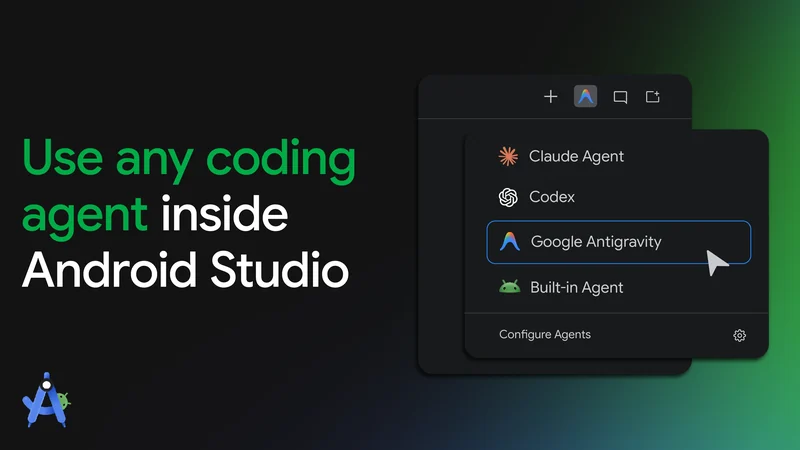
Building Intelligent Android Apps with Cloud Agentic Workflows
Explore how to build autonomous in-app agentic workflows running in the cloud for Android apps, using the Agent Development Kit and AG-UI protocol.
Android November 2026 Updates Patch Over 200 Vulnerabilities
Google has announced its November 2026 security updates for Android, addressing over 200 vulnerabilities, including a critical remote code execution flaw.

Google Releases Android System Updates for November 2026
The November 2026 Google System Updates bring Android photo backup via Quick Share for Windows, Google Password Manager upgrades, and more.