Why Dexterity Is Physical AI's Real Bottleneck
Robotic dexterity is often viewed as a hardware race of joints and fingers, but the true bottleneck for physical AI lies in achieving systemic reliability across entire workflows.
 Radwan AbdulhadiEditor and technology writer
The Challenge of Real-World Robotic Dexterity
When a robot successfully picks up, moves, and places an object during a demonstration, it showcases capability. However, testing whether that same robot can perform the action hundreds of times while components wear, objects shift, and grips change reveals the true test of robotic dexterity. Useful dexterity extends far beyond completing an individual action once; it requires an entire system to sense, grasp, move, adjust, and recover reliably enough to complete multi-step workflows without constant human oversight.
Evaluating performance through cumulative probability highlights why small reliability gaps matter. In a workflow requiring 100 sequential physical actions, a 99% success rate per action yields only a 36.6% chance that all actions succeed on the first attempt. Raising that rate to 99.9% increases the workflow success probability to 90.5%, while four nines of reliability achieves a 99.0% success rate. Consequently, a robot that appears nearly flawless in controlled settings may still require significant advancements before it is truly ready for autonomous deployment.
Closing the Loop Across System Components
Achieving the reliability necessary for commercial deployment requires a closed-loop integration across multiple engineering disciplines. Developers must coordinate computer vision, position, contact, force, pressure, movement, and adjustment to ensure stable operation. While not every application requires touch, tactile feedback remains invaluable for detecting slip, unstable contact, or excessive pressure before a task fails entirely.
When failures occur during deployment, they often expose underlying flaws that span across software, sensing, and motion control. Changing a robotic hand directly impacts movement and calibration, meaning data gathered from one physical configuration rarely transfers directly. Real-world operational experience serves as a vital feedback loop, transforming encountered slips and component wear into actionable data that refines future iterations.
Matching Form to Function Over Human Mimicry
Industry experts emphasize that developers should resist the temptation to equate more human-like robots with superior performance. Instead of pursuing maximum dexterity and complex multi-fingered hands, the engineering process should begin with the specific job requirements. By working backward from the target environment and task, developers can design systems with the minimum sufficient dexterity needed to complete valuable work reliably.
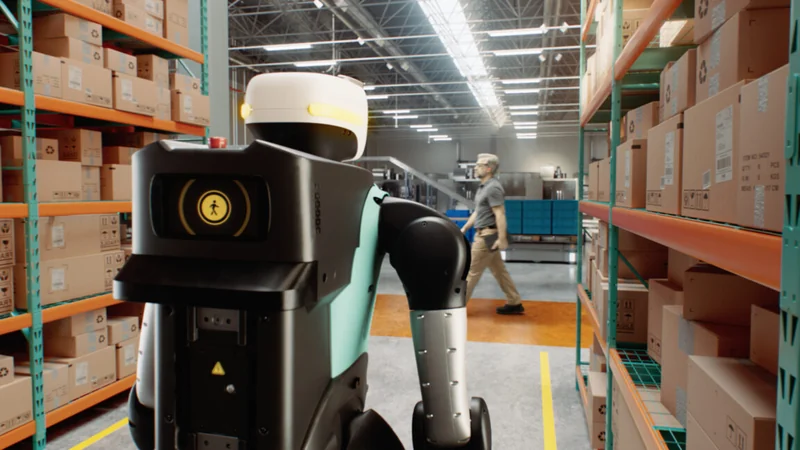
Several robotics companies already deploy this purpose-built philosophy in commercial environments. Agility Robotics utilizes bipedal mobility for logistics tasks, equipping its systems to connect directly with specialized tools rather than relying on five-fingered human-like hands.
Diverse Approaches Across Industrial Applications
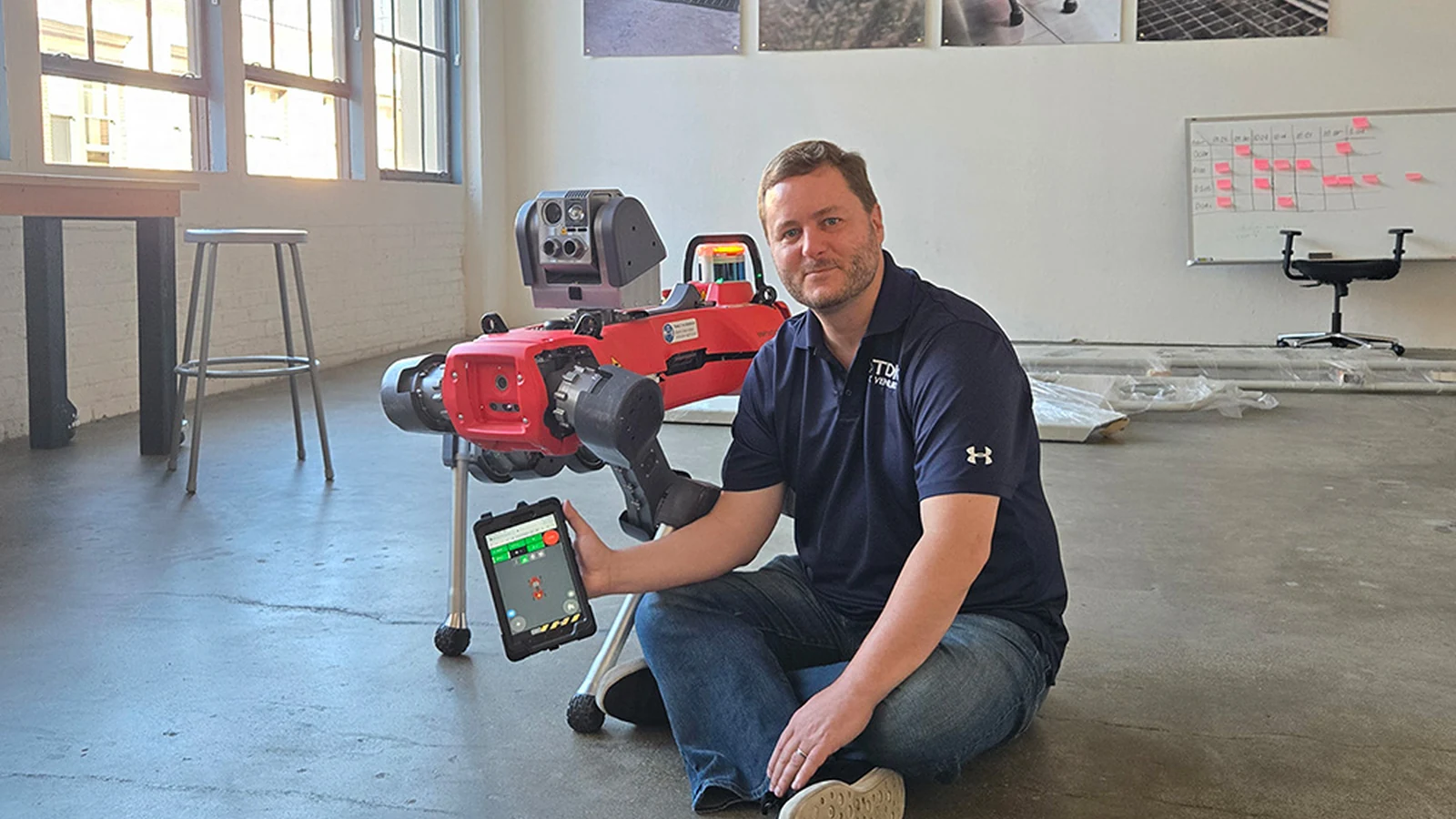
Different operational environments necessitate distinct physical architectures. ANYbotics applies a quadrupedal form factor to industrial sites, enabling its robots to navigate uneven surfaces and stairs while conducting safety inspections in hazardous zones. Meanwhile, Starship Technologies utilizes small, wheeled delivery robots optimized for traveling along sidewalks, achieving millions of autonomous deliveries by matching form strictly to function.
These diverse deployment strategies illustrate that the optimal physical form is simply the one that fits the work and executes it repeatedly in real-world conditions. Evaluating physical AI progress requires looking past individual demonstration highlights and focusing on complete system reliability, recovery capabilities, and long-term durability under scale.
Upcoming Industry Discussions at RoboBusiness 2026
As the robotics industry continues to confront challenges in system reliability and dexterity, developers and investors are gathering to discuss emerging solutions. Physical AI, humanoids, and enabling technologies will headline session tracks at RoboBusiness 2026, scheduled for October 20 and 21 in Santa Clara, California. Industry participants can register now to attend and explore the next wave of deployment strategies.
Sources
- The Robot ReportWhy dexterity is physical AI’s real bottleneck
Continue chronologically


Related stories
RoboBusiness 2026 Kicks Off at Santa Clara Convention Center
RoboBusiness 2026 marks its 20th anniversary at the Santa Clara Convention Center, bringing together over 1,600 attendees for two days of robotics sessions and keynotes.
Nvidia Push Into Physical AI Aims For Safer Robots
Nvidia expands its safety technology for physical AI to support safer humanoid robots, autonomous vehicles, and warehouse machines.
ADI Examines the Race to Make AI Physical in New Report
A new whitepaper from Analog Devices Inc. explores the challenges and opportunities of moving physical AI out of labs and into production machinery.
TwelveLabs Launches Pegasus 1.6 for Physical AI Video
TwelveLabs has released its Pegasus 1.6 model to bring advanced video understanding, egocentric analysis, and robotics workflows to physical AI.