Nvidia Push Into Physical AI Aims For Safer Robots
Nvidia is betting billions on physical AI with a full-stack safety framework designed to help robotics companies prevent accidents.
 Radwan AbdulhadiEditor and technology writer
The Rise of Physical AI and Safety
While data centers continue to dominate discussions surrounding Nvidia's multi-trillion-dollar valuation, the chipmaker has also committed billions of dollars toward physical AI technologies such as self-driving cars and robotics. To mitigate risks and prevent machines from harming nearby people, the company developed a full-stack safety system that developers can integrate into their architectures.
Initially launched in 2025 with hardware and software tooling for autonomous vehicles, the safety architecture expanded through the announcement of Nvidia Halos for Robotics in June 2026. This offering aims to facilitate safer deployments across various sectors, ranging from surgical robots to humanoid systems walking around factory floors and autonomous mobile robots operating in warehouses.
Amit Goel, head of robotics ecosystem and edge computing at Nvidia, noted that safety emerged as the next critical bottleneck as AI models and robot hardware rapidly advanced. According to Nvidia CEO Jensen Huang during an appearance on the All-In Podcast in March 2026, the physical AI business is already driving nearly $10 billion in annual revenue.
Inside the Halos Stack
The full-stack safety system begins at the hardware level with the Nvidia IGX Thor computing module, which incorporates an independent processor specifically dedicated to safety-critical workloads. Goel emphasized that running functional systems and safety systems on the same silicon is essential for physical AI applications.
On the software side, the Halos operating system constantly monitors every hardware block and software library to detect potential failures quickly. The architecture also isolates safety-critical computing tasks to prevent interference, while the Holoscan Sensor Bridge connects raw sensor data to safety processing to efficiently spot corrupted inputs.
Additionally, the Halos package features simulation tools for virtual testing and an inspection lab program designed to provide robotics partners with rapid feedback on safety artifacts during development.
Addressing Diverse Environments
Adapting the safety platform from autonomous vehicles to general robotics required significant foundational work. While functional safety definitions remain relatively standardized across the automotive industry, a robotic vacuum navigating a hallway faces vastly different operational considerations than a heavy robotic forklift in a warehouse loading dock.
To accommodate these varied scenarios, Nvidia built a programmable platform that provides developers with hooks to define custom safety functions without disrupting the underlying infrastructure. Goel pointed out that unstructured environments often present blind spots, requiring robots to exercise caution when navigating around corners in factories or hospitals.
Early Adopters and Humanoid Deployment
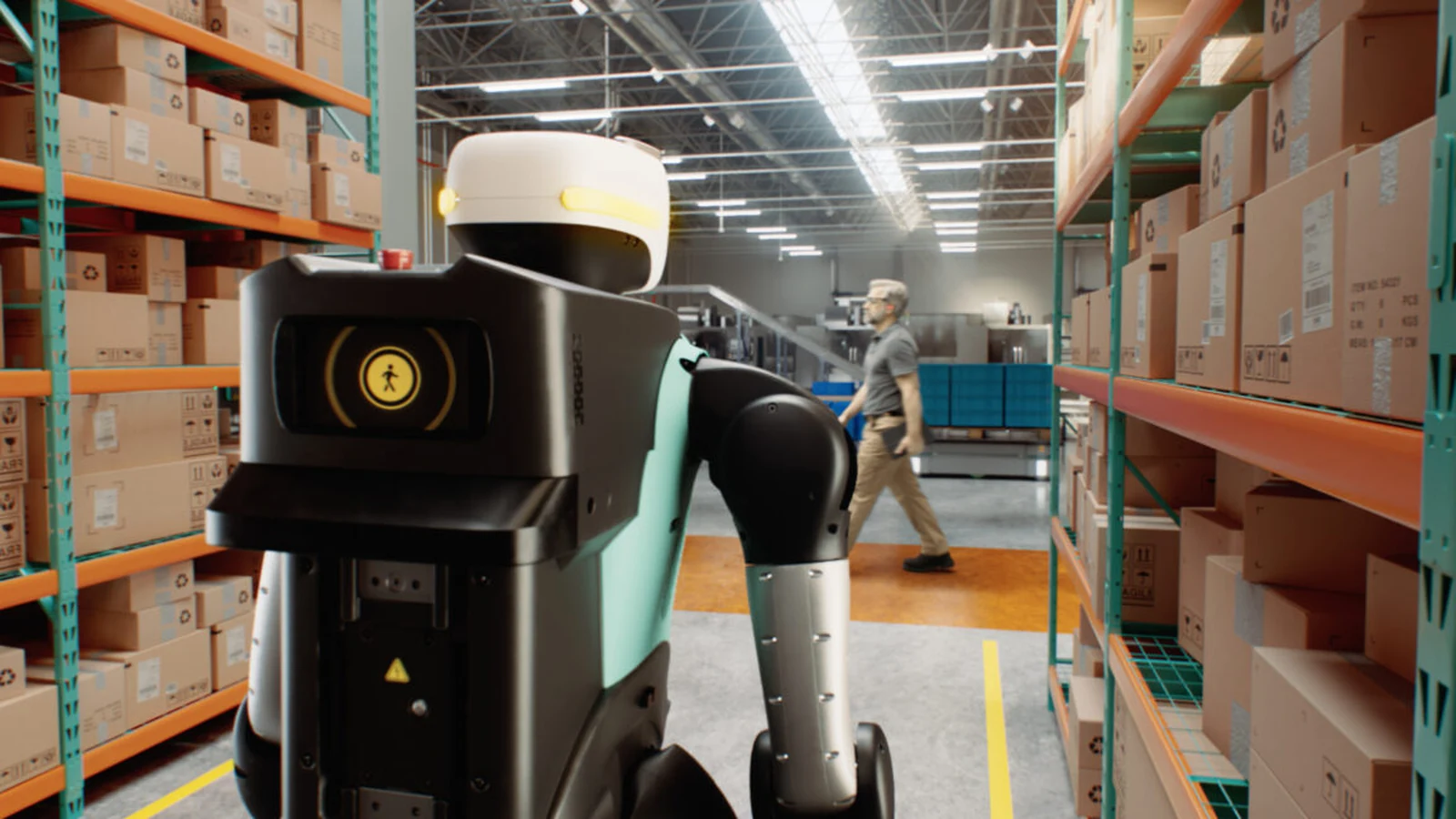
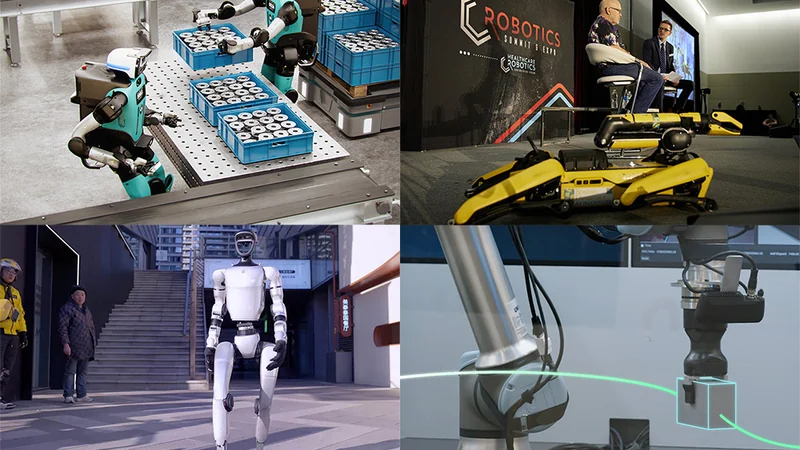
US startup Agility Robotics incorporated the Nvidia platform into its latest Digit 5 humanoid robot, which is engineered to work safely alongside humans without requiring isolated workstations or physical barriers. This integration allowed the company to embed safety sensors directly into the robot rather than relying on external sensors placed around a work cell.
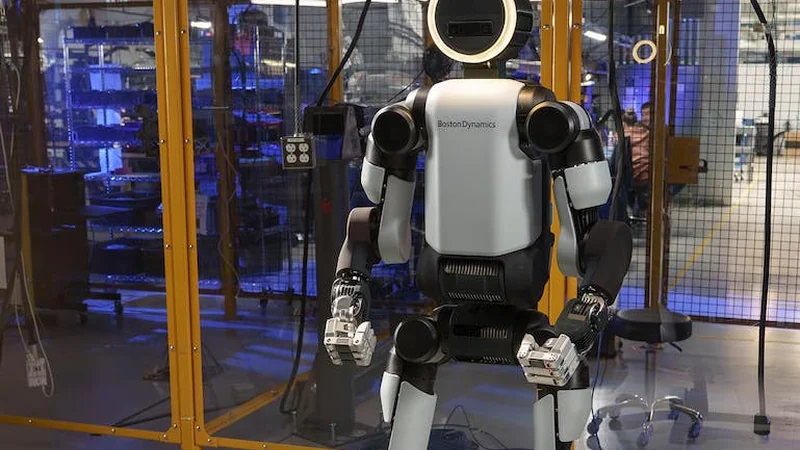
Boston Dynamics also joined as an early partner in the safety accreditation program, focusing on its Spot robot dogs, Stretch robots, and Atlas humanoids, which could begin deploying in Hyundai automotive factories by 2028.
Other organizations working with the technology include Germany's KION Group for autonomous forklifts and South Korea's LG, which is developing a humanoid robot utilizing Nvidia's Isaac GROOT foundation model.
Sources
- Ars TechnicaNvidia's big bet on physical AI aims for safer robotaxis, humanoid robots
Continue chronologically


Related entity coverage
Related stories
Humanoid Robots and AI Emerge as Helpers, Not Enemies
Rapid AI advances bring humanoid robots like Boston Dynamics' Atlas out of the lab and onto factory floors, serving as helpers rather than enemies.
October 2026 Robotics Developments Highlighted by The Robot Report
Discover the top robotics developments from October 2026, featuring major updates from Boston Dynamics, Agility Robotics, and industry events.
September 2026 Robotics Highlights Bring New Products and Humanoids
Discover the top robotics stories of September 2026, featuring new humanoid developments, major acquisitions, and product launches from live industry events.
Agility and GXO Expand Digit Humanoid Deployments
Agility Robotics and GXO Logistics are expanding their partnership to deploy Digit humanoid robots at additional sites in North Carolina and Tennessee.