5 Electronics and Tech Items That Can Trigger TSA Red Flags
Navigating airport security with personal electronics requires careful preparation, as specific tech items and battery specifications can easily trigger red flags and bag checks.
 Radwan AbdulhadiEditor and technology writer

Power Banks and Lithium Battery Regulations
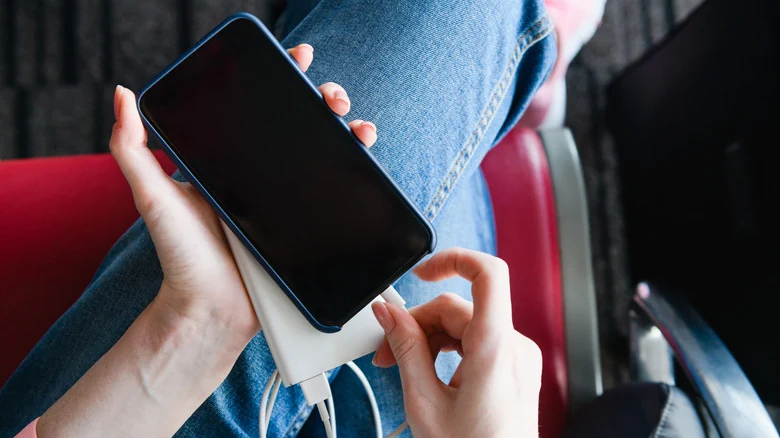
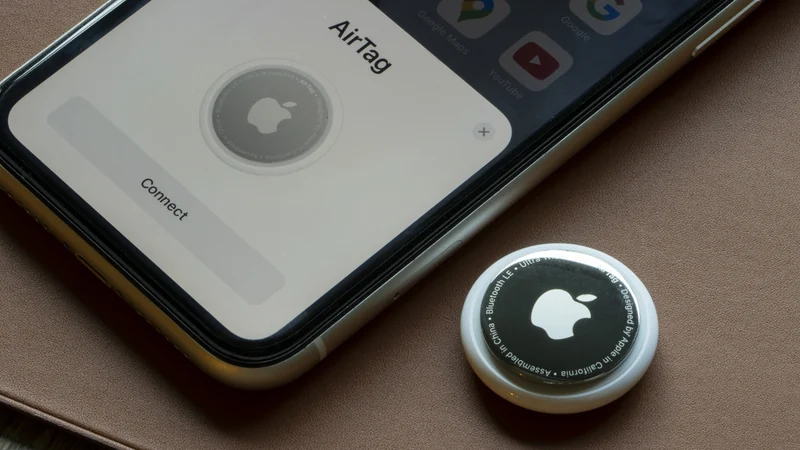
Traveling with portable power banks requires keeping them strictly in your carry-on luggage rather than stored in checked bags. Most consumer power banks stay well under the 100 watt-hour limit, such as popular models that meet flight approval standards. For example, Apple AirTags are allowed in luggage with their low-power lithium metal batteries, but higher-capacity units demand closer inspection.
Travelers can calculate watt-hours by multiplying milliamp-hours by voltage and dividing by 1,000. Lithium batteries pose overheating risks, which is why spare lithium-ion batteries exceeding 100 watt-hours are restricted to a maximum of two per person and require special airline approval. Non-rechargeable lithium metal batteries should ideally remain in their original packaging to minimize hassle during screening checks.

Vapes, E-Cigarettes, and Small Gadgets
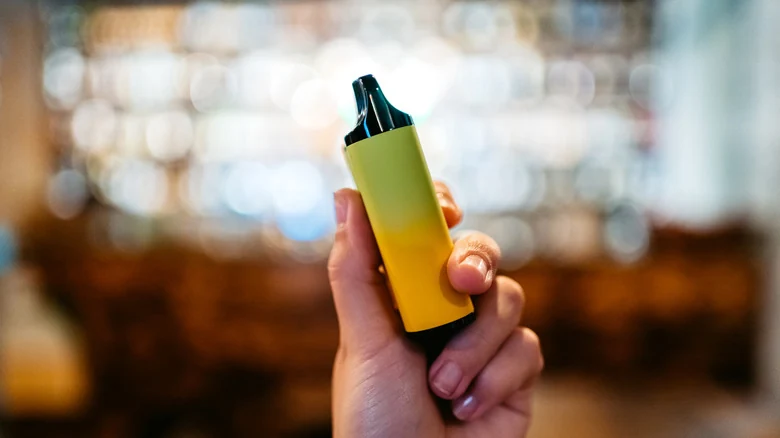
Electronic cigarettes and vapes must always be packed in carry-on baggage and are strictly prohibited in checked luggage. While passengers typically do not need to remove vapes from their bags during standard security checks, keeping them visible or placing them in a bin can prevent unexpected red flags. Airlines like Southwest strictly limit passengers to two devices and forbid charging or using them onboard aircraft.
Similar rules can apply to compact gadgets such as laser pointers. While many flights permit them, certain carriers maintain stricter policies. For instance, Air Canada completely bans laser pointers from the cabin and requires them to be packed away in checked luggage.
Smart Luggage and Tracking Devices
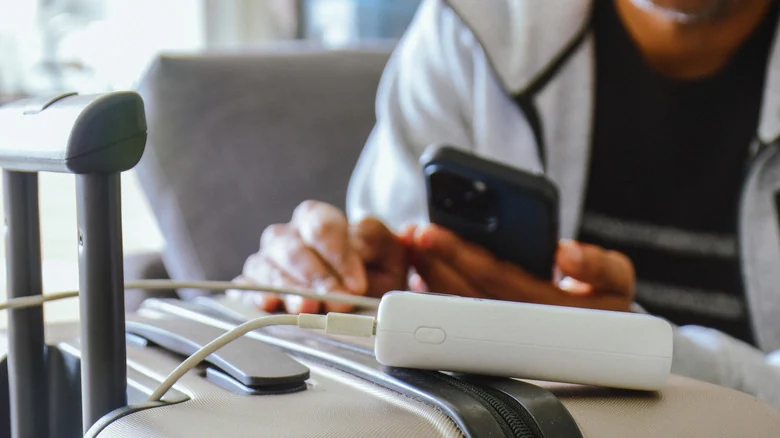
Smart suitcases equipped with integrated chargers, GPS trackers, or remote Bluetooth locks are subject to strict battery regulations. If checking a smart bag, passengers must remove any internal batteries beforehand to mitigate potential fire hazards. When dealing with trackers, the internal battery must stay under 0.3 grams of lithium metal or 2.7 watt-hours of lithium-ion capacity.
Bags featuring non-removable lithium batteries often create complications at security checkpoints. While some airlines permit them if dimensions and battery specifications align with regulations, TSA agents and flight crews retain final authority to deny boarding for non-compliant luggage.
Hoverboards and Motorized Ride-On Gear
Hoverboards and motorized ride-on suitcases face widespread bans across major commercial airlines due to safety and fire concerns. Carriers like American Airlines prohibit smart ride-on bags entirely, while Delta Air Lines restricts motorized rideable suitcases from cabins and cargo holds.
Similarly, Air Canada does not permit electric skateboards, mini Segways, balance wheels, electric scooters, or battery-assisted bicycles on its flights. Passengers planning to travel with any motorized personal mobility device should consult their specific airline's policies well in advance of departure.
Electric Toothbrushes and Personal Care Gadgets
Personal care electronics like premium electric toothbrushes must travel in carry-on luggage because of their internal rechargeable batteries. However, failing to power down a toothbrush or a portable massager completely can cause accidental buzzing sounds inside a bag, prompting TSA agents to pull the item for further investigation.
Travelers do not need to remove electric toothbrushes from their bags during routine scanner checks, but verifying that the device is fully turned off helps prevent embarrassing holds at the security checkpoint. If you are reluctant to leave your phone loose in the TSA bin during screening, placing it on top of a jacket or scarf is a safe alternative.
General Device Screening and Power Requirements
Standard electronics like smartphones, tablets, laptops, and portable gaming systems must be clearly visible during security scans unless agents issue alternative instructions. In accordance with established security protocols, a TSA agent may ask you to power on devices to verify they are fully functioning.
The only complete ban on a specific phone model remains the Samsung Galaxy Note 7, which was permanently prohibited from all flights due to historical fire hazards. For all other modern tech, complying promptly with agent requests ensures a smooth and efficient transit through airport security.
Sources
- EngadgetTraveling with electronics? These 5 items could raise TSA red flags
Continue chronologically

Related entity coverage
Related stories
TSA Rules Confirm AirTags Are Allowed in Checked Luggage
Learn what TSA and international regulations say about packing Apple AirTags in your checked luggage and how lithium battery limits apply.
WIRED Details the Best Folding Smartphones of 2026
Discover the top folding phones of 2026 as tested by WIRED, featuring latest releases from Samsung, Apple, Google, and Motorola.

Tech Companies Should Offer Cheap Battery Replacements Amid Memory Crunch
Amid severe memory shortages and rising smartphone prices, major tech companies should offer affordable out-of-warranty battery replacements.
Galaxy Z Fold 8 Sales Spike Following iPhone Duo Release
Samsung's Galaxy Z Fold 8 experienced a significant sales spike in Korea following the tumultuous release of Apple's new foldable device.