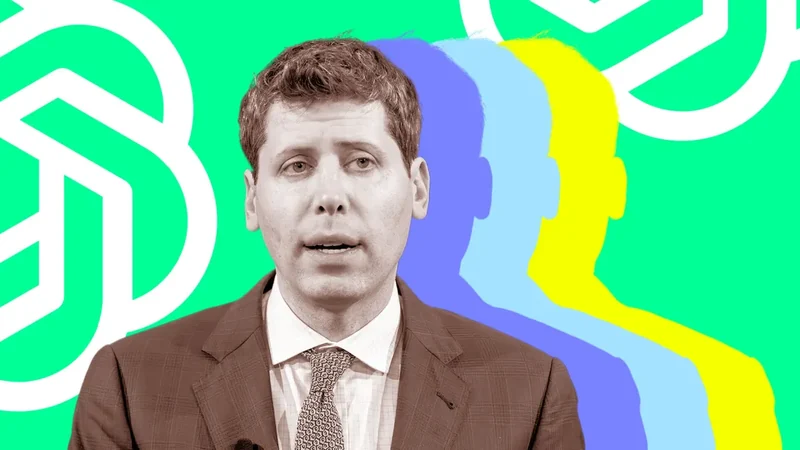
Sam Altman Criticizes Personal RAM Hoarding in PCs
OpenAI CEO Sam Altman has drawn criticism after remarking that it is terrible for individuals to hoard the world's limited DRAM supply inside personal computers.
 Radwan AbdulhadiEditor and technology writer
The Controversy Over Personal Computer Memory
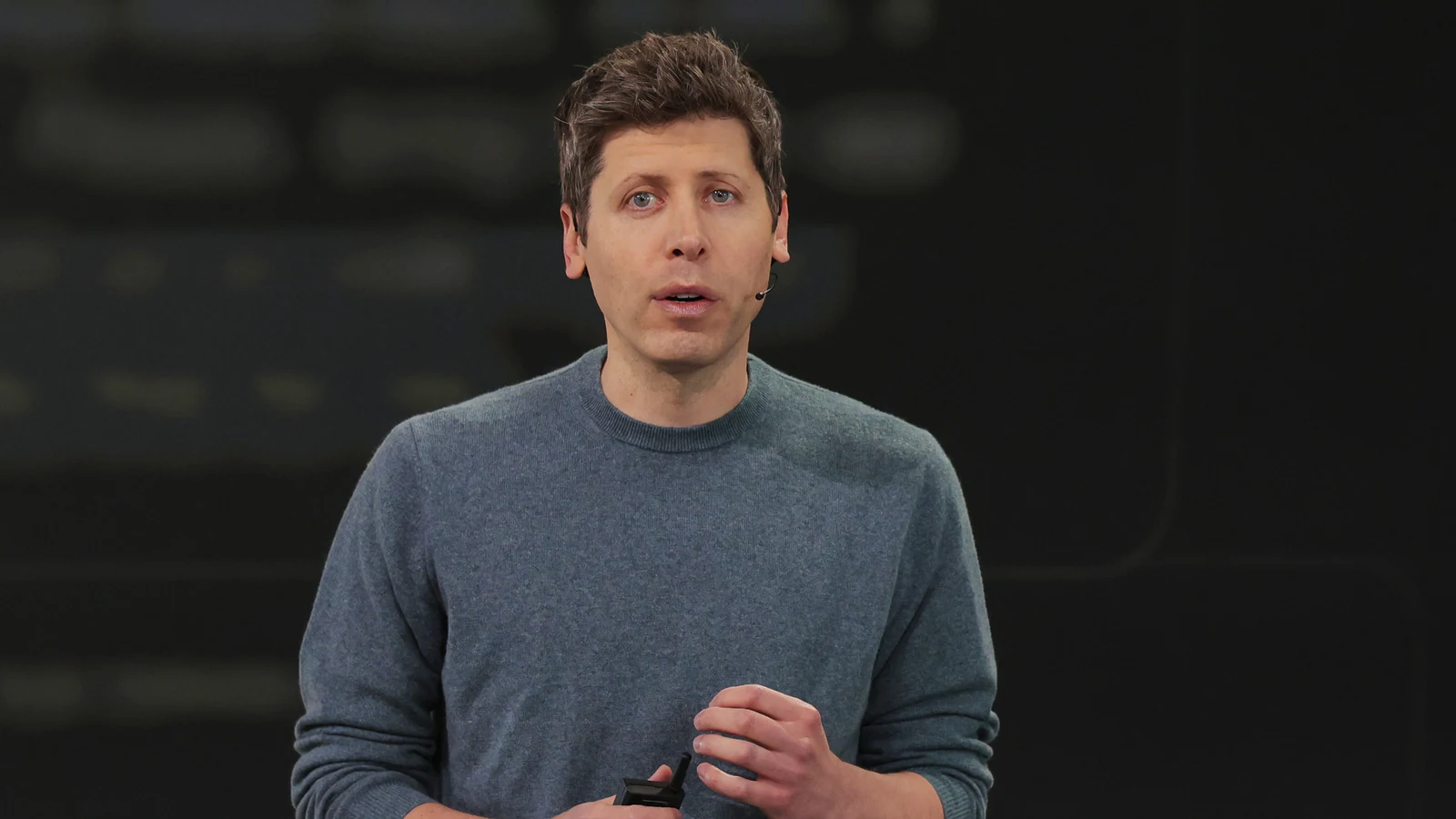
As artificial intelligence data centers consume vast amounts of memory components, the broader technology sector continues to face severe hardware constraints. Memory prices and the cost of electronic devices containing these components have skyrocketed across the global market. Amid these widespread shortages, OpenAI chief Sam Altman participated in a wide-ranging discussion covering hardware limitations and industry pressures.
During an interview with YouTuber Cheeky Pint and Stripe, the conversation naturally steered toward the ongoing RAM shortages affecting the entire technology landscape. Rather than focusing on enterprise infrastructure alone, the discussion highlighted personal computing habits and how consumer hardware deployment intersects with massive AI compute demands.
Sam Altman Remarks on Limited DRAM Supply
When addressing the distribution of global hardware resources, the OpenAI executive expressed a clear perspective on how consumer systems utilize memory components. He explicitly noted that he thinks it is quite terrible for people to have a substantial portion of the world's limited DRAM supply sitting inside their personal computers while only utilizing a fraction of its capacity on a regular basis.
Elaborating on his viewpoint from a systems architecture standpoint, he explained that maximum utilization is critical in cloud environments when attempting to navigate a heavily constrained supply chain. He observed that consumer intuition often leads to the exact opposite approach, where hardware remains idle or underutilized locally rather than being pooled into centralized computing infrastructure.
Context Regarding Local Inference and Cloud Efficiency
To provide necessary context for his remarks, the OpenAI leader was specifically addressing local inference, which refers to the practice of executing artificial intelligence models directly on local consumer hardware rather than routing tasks through remote data centers. From a purely theoretical optimization standpoint within a global allocation framework, distributing heavy workloads to centralized clouds theoretically yields higher operational efficiency.
Operating as the head of one of the most prominent artificial intelligence enterprises in the world naturally shapes this macro-level outlook. However, viewing consumer hardware purchases strictly through the lens of cloud efficiency overlooks the practical realities and diverse requirements of everyday computer owners who rely on local hardware performance.
Criticism and Industry Monopolization Concerns
Reactions to the commentary quickly pointed out potential hypocrisy, noting that the chief executive should hardly be surprised if observers label the statements tone-deaf. Reports indicate that OpenAI has tied up approximately 40 percent of the world's total RAM output through a series of strategic enterprise agreements and procurement contracts.
This massive corporate consolidation of memory supplies forms a primary driver behind the hardware scarcity affecting ordinary consumers and independent system builders across the globe. By securing such a vast share of global production for enterprise data centers, major AI developers leave significantly fewer resources available for the consumer market.
Broader Consumer Uses for High-Performance RAM
Furthermore, critics emphasize that consumer memory purchases are not made solely for running local artificial intelligence models. Individuals regularly invest in high-capacity memory configurations to support demanding workloads such as competitive PC gaming, live streaming, high-definition video editing, software development, and other resource-intensive professional applications.
As the artificial intelligence sector continues to absorb the lion's share of global RAM manufacturing output, everyday users find themselves forced to navigate persistent shortages and inflated retail costs. Because modern electronics rely heavily on embedded memory subsystems, manufacturers routinely pass these elevated component prices directly onto the consumer market by raising retail prices across the board.
Sources
- EngadgetSam Altman is upset at you for hoarding RAM in your own computer
Continue chronologically


Related entity coverage
Related stories
OpenAI CEO Sam Altman Criticizes PC RAM Allocation
OpenAI CEO Sam Altman argues that consumer PC RAM allocation is inefficient, claiming memory should be prioritized for cloud data centers.

Sam Altman Meets Samsung Leadership to Secure Data Center RAM
OpenAI CEO Sam Altman met with Samsung executives in South Korea to discuss AI data center growth and memory chip supplies amid global shortages.
Sam Altman: OpenAI's Math Onslaught Will Not Stop
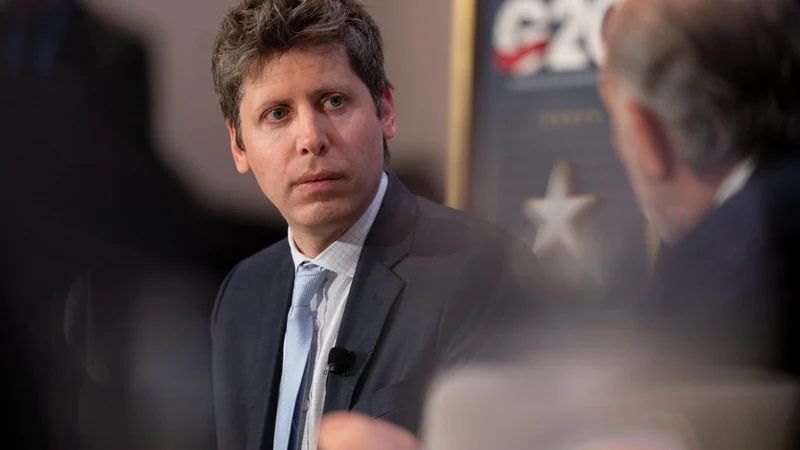
OpenAI CEO Sam Altman acknowledges mathematicians' struggles with AI-generated math results but insists the company's scientific onslaught will continue.

Judge Dismisses Sam Altman's Sister's Sexual Abuse Lawsuit
A federal judge has dismissed a childhood sexual abuse lawsuit filed against OpenAI CEO Sam Altman by his sister Ann Altman following missed exams.