TSA Rules Confirm AirTags Are Allowed in Checked Luggage
Airline battery regulations are famously strict, but traveling with Apple's tracking devices remains fully permitted under current transport rules.
 Radwan AbdulhadiEditor and technology writer
Navigating Luggage Tracking and Airline Rules
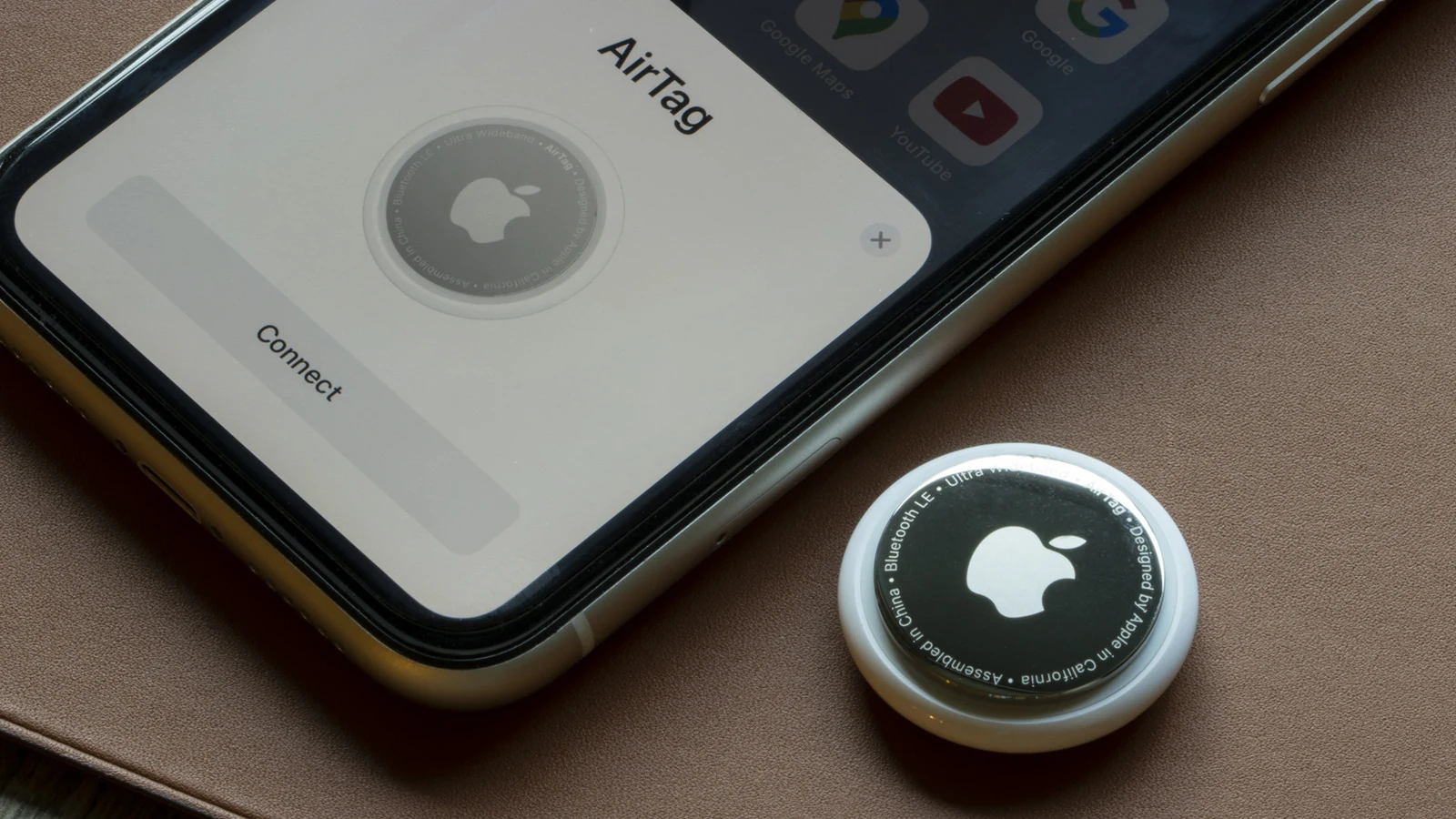
Flying can often be a stressful experience marked by extraordinary delays and lost possessions. Many travelers rely on setting up an AirTag to keep track of their suitcases and ensure their belongings make the journey safely.
However, because tracking technology relies on nearby Apple devices to function, it is worth remembering that an AirTag isn't a flawless system, particularly when traveling through regions with lower iPhone user adoption rates.
Despite these occasional tracking limitations, a common question among frequent flyers is whether these trackers comply with strict baggage guidelines. Fortunately, your AirTag can come along without violating transportation safety mandates.
Understanding TSA Battery Limitations
The TSA maintains very specific limitations regarding lithium batteries on flights to mitigate potential hazards. Non-rechargeable lithium metal batteries are limited to 2 grams of lithium content, while rechargeable lithium-ion batteries must have a maximum rating of 100 watt-hours.
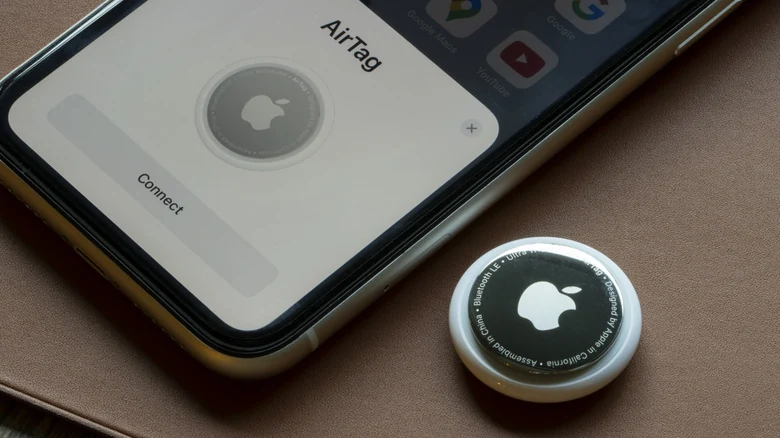
An AirTag operates using a small CR2032 coin cell battery, which contains less than 0.1 grams of lithium and falls well below the regulatory threshold. Furthermore, because these items use non-rechargeable lithium metal cells, the watt-hour restriction does not technically apply, though the device's power output still equates to less than 0.7 watt-hours.
International Standards for Baggage Trackers
Outside the United States, legality for these tracking accessories is nearly universal. The International Civil Aviation Organization, which serves as the aviation agency for the United Nations, passed an amendment to address early carrier bans.
The revised international guidance states that lithium battery devices placed inside checked baggage are permitted to stay turned on during a flight as long as their lithium content remains under 0.3 grams, or if the output stays below 2.7 watt-hours.

Why Aviation Authorities Restrict Lithium Batteries
The primary safety concern surrounding lithium-ion technology is a hazardous phenomenon known as thermal runaway. This uncontrolled chain reaction causes devices to overheat rapidly, potentially resulting in smoke, fire, or flying shrapnel within an enclosed aircraft cabin or cargo hold.
While issues can stem from manufacturing defects, improper packing, or physical damage, portable power banks and larger rechargeable lithium ion batteries remain among the most frequently regulated items across commercial aviation.
Additional Rules for Chargers and Electronics
Due to the inherent risks of larger power systems, transport authorities typically require passengers to keep devices containing lithium-ion batteries inside carry-on luggage rather than checked bags. This ensures that any thermal incident can be quickly identified and addressed by crew members.
Individual airlines and international aviation departments maintain varying restrictions on power banks, ranging from strict limits on quantity to outright bans on active in-flight charging or onboard usage. Passengers are therefore encouraged to verify specific airline policies before departure.
Sources
- EngadgetDoes TSA actually allow AirTags in your luggage? Here's what the rules say
Continue chronologically


Related entity coverage
Related stories
5 Electronics and Tech Items That Can Trigger TSA Red Flags
Traveling with electronics can cause airport security delays. Learn which five tech items and battery rules raise TSA red flags before your next flight.

How to Extend the Battery Life of Your Apple AirTags
Learn practical tips to maximize your Apple AirTag battery life, understand what causes faster drain, and find out when to replace it.
Apple Watch AI Audio Features Enter Beta Testing
Apple begins developer beta testing for new AI-powered Audio Intelligence features on Apple Watch, including Live Rewind and Siri Recaps.

Apple Cannot Predict When iPhone Duo Supply Will Balance
Apple CEO John Ternus says the company cannot predict when iPhone Duo supply and demand will balance amid ongoing supply chain constraints.