Tesla Revives Roadster With Decades-Old Stunt Technology
Nine years after first trying to resurrect the Roadster, Tesla has showcased a new version utilizing compressed nitrogen jets reminiscent of classic Hollywood stunt methods.
 Radwan AbdulhadiEditor and technology writer
Return of the Roadster and Hollywood Stunt Tech
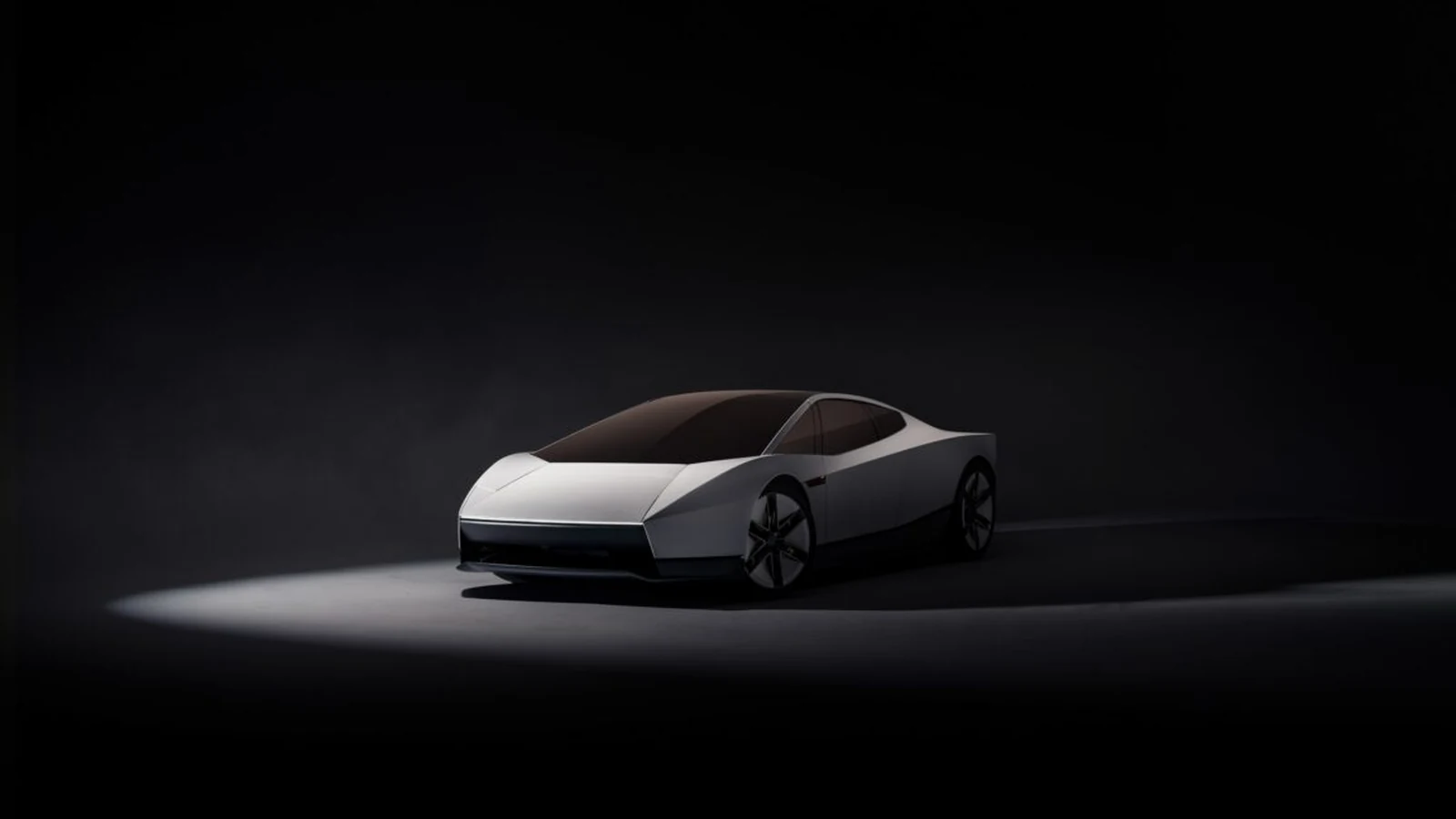
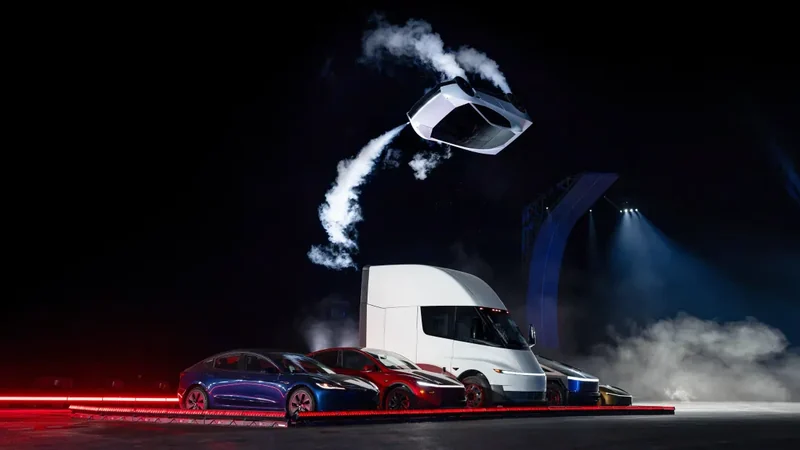
Nine years after first trying to resurrect the Roadster, Tesla is apparently trying again. CEO Elon Musk has once more returned to California’s showbiz industry to showcase new vehicle concepts, utilizing decades-old stunt technology to make a show car perform tricks in the air. The method relies on compressed gas to make a vehicle spin or maneuver while airborne.
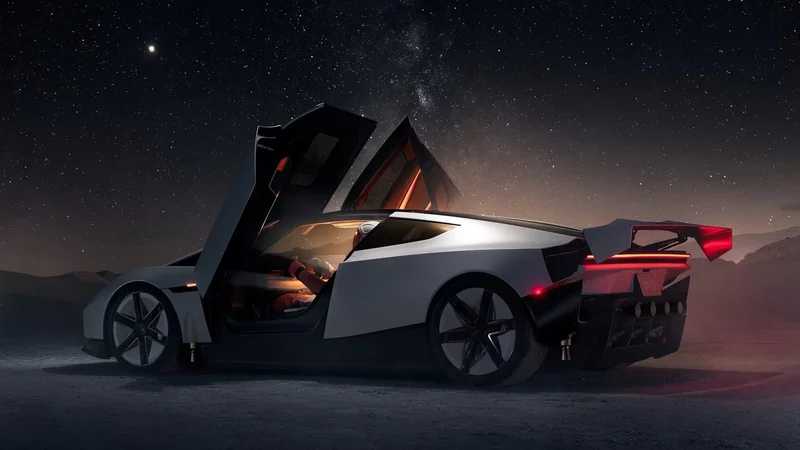
The upcoming Roadster features an angular, wedge-shaped design heavily reminiscent of Giorgetto Giugiaro’s original Lotus Esprit and the Lamborghini Gallardo. At the rear are four giant exhaust pipes, which do not emit hydrocarbons from a combustion engine. Instead, they serve as the delivery system for 100,000 psi jets of compressed nitrogen designed to assist vehicle maneuvers.
Grandiose Performance Claims and Battery Development
Unusually for a vehicle with such high-performance targets, Tesla says it stuck with rear-wheel drive for the new electric vehicle. The battery pack utilizes the 4680 cells that the company has attempted to scale internally. Following customer complaints of poor performance regarding these components, Tesla developed a special battery chemistry dedicated specifically to this new model.
Musk has stated grandiose performance targets for the Roadster, claiming a top speed of 383 mph (616 km/h) and a 0-60 mph acceleration time of 0.8 seconds. However, industry watchers note that similar vaporware claims accompany existing competitors on the market, such as the McMurtry Spéirling.
Market Realities and Past Delivery Delays
The Roadster's targeted production window points toward 2028, but critics highlight Tesla's history of overpromising and underdelivering. When the vehicle was first announced in 2017, deposits reached $50,000 from eager buyers. Over the years, many customers experienced severe difficulties attempting to retrieve their funds, with individuals like Sam Altman discovering how hard it can be to get that money back.
Furthermore, market analysts suggest that high-end hypercar buyers often seek the noise and emotional connection characteristic of traditional combustion engines, and they don’t get that from an EV.
Broader Corporate Pressures and Financial Shifts
Beyond vehicle announcements, Tesla's core automotive business faces headwinds. As selling prices drop and operating costs increase, its profits are vanishing. Increased competition from European and Chinese manufacturers has eroded Tesla's market share, particularly as Chinese brands demonstrate a rapid ability to innovate that Tesla has struggled to match.
Musk has increasingly positioned Tesla away from being strictly a car company, exploring potential corporate moves such as a merger with SpaceX. Such a maneuver could provide SpaceX with access to passive investment funds tied to the S&P 500 index, leveraging artificial intelligence synergies amidst broader corporate reallocations.
Sources
- Ars TechnicaTesla turns to 50-year-old stunt technology as it tries to Roadster again
Continue chronologically
Related stories
Tesla Roadster Flying Stunt Highlights Prototype Reality
Tesla's recent demonstration of a flying Roadster showcased impressive engineering and cold-gas thrusters, but the vehicle is not approved for public road use.
Tesla Targets 2028 Production for Redesigned Roadster
Tesla has announced a 2028 production target for its redesigned Roadster sports car, following years of delays and a high-profile stunt reveal.
SpaceX and Tesla Exploring Possible Merger, Musk Says
SpaceX and Tesla have formed special committees of independent directors to discuss a potential merger, though Elon Musk says it is not a certainty.
Elon Musk Intensifies Attack on Ambani Over Starlink India Delay
Elon Musk escalates criticism against billionaire Mukesh Ambani over the stalled launch of Starlink in India, accusing him of blocking competition.