AI Clones Are Coming For Major Software Like Adobe
Motivated by frustration with subscription models, developers are using AI to reverse-engineer major applications like Adobe Creative Cloud.
 Radwan AbdulhadiEditor and technology writer
The Rise of AI Software Clones
A new wave of software development is challenging traditional subscription-based business models through the power of artificial intelligence. Motivated by frustration with recurring fees, individual coders and teams are increasingly turning to advanced AI models to reverse-engineer established programs. This phenomenon has brought fresh attention to the concept of vibe coding, where human creators direct AI to generate functional software applications from scratch or through systematic deconstruction.
Software developer Brandon Thomas and his team launched a prominent example of this trend early in October. Their project aims to deliver one-to-one replacements for expensive software suites without the burden of ongoing subscription costs, allowing users to own the underlying source code instead.
Inside the Artcraft Suite
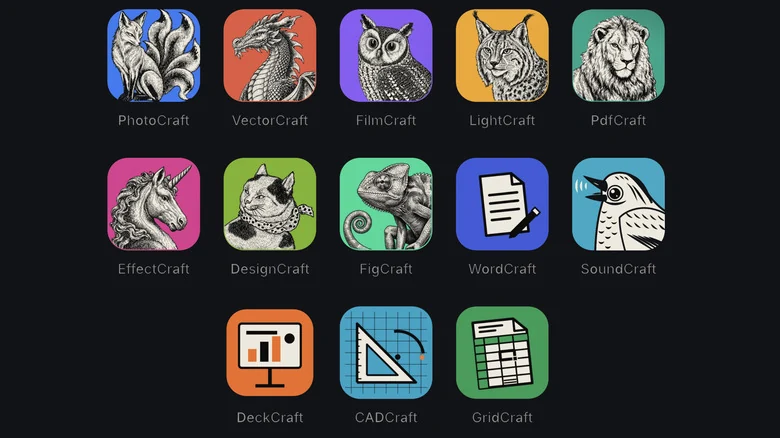
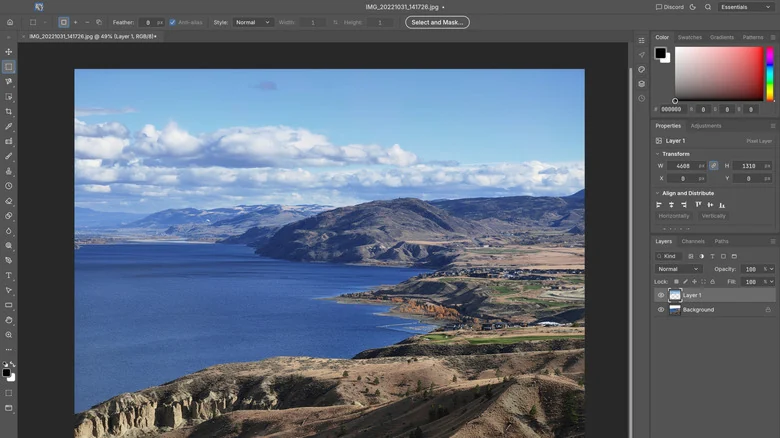
The Artcraft team utilized AI assistance to build clean-room, pure Rust versions of popular image editing applications after experiencing cancellation fee frustrations with incumbent providers. Their Photoshop replacement, Photocraft, offers an interface and controls that closely mirror the original software, enabling users to transition without facing a steep learning curve.
Despite matching many core layout elements and providing essential capabilities such as resizing, masking, and color adjustments, early versions of the alternative app have presented notable limitations. Users have reported critical stability issues, and the software currently lacks support for native PSD files, highlighting the challenges inherent in independently replicating complex professional tools.
Automated Deconstruction Tools
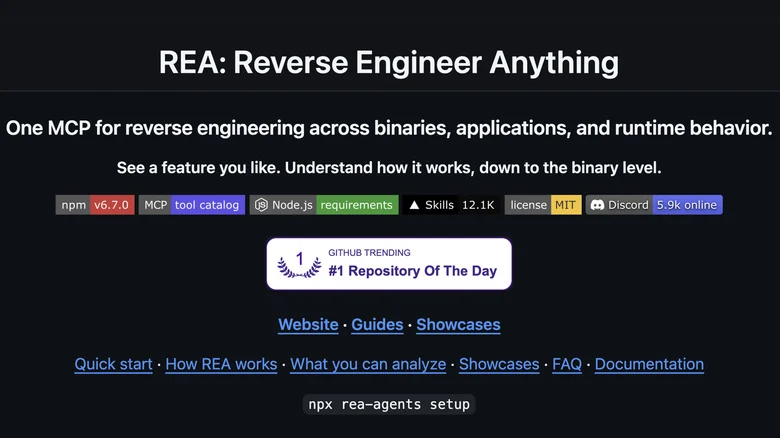
The capability to clone professional software is no longer restricted to experienced engineering teams alone. Viral applications designed to inspect and deconstruct software without access to original source code have gained massive traction across developer communities. These tools can examine how individual features operate and construct equivalent clean code for new projects.
Beyond traditional desktop computer and smartphone applications, these automated deconstruction techniques are increasingly applied across various digital systems. Observers note that similar methods affect firmware found in consumer hardware devices, ranging from smart TVs and household refrigerators to musical instruments and smart frames.
Legal and Community Implications
The rapid proliferation of AI-assisted decompilation has profoundly impacted traditional development communities. Dedicated human reverse engineering platforms have reported closures as automated systems outpace manual contributions. Meanwhile, the broader ecosystem remains sharply divided over the ethical and legal boundaries of these practices.
Critics argue that AI-generated application clones constitute blatant infringement upon established trademarks and copyrights, pointing to potential violations of terms of use that explicitly forbid reverse engineering. Conversely, supporters believe that open-source alternatives and competitive pressures could ultimately force major technology enterprises to re-evaluate pricing structures and subscription models that many consumers actively despise.
Sources
- EngadgetAI software clones are coming for big-name companies like Adobe
Continue chronologically


Related entity coverage
Related stories
Solo Developer Rebuilds Adobe Suite in Rust Using Claude
A solo developer has recreated multiple Adobe creative tools in Rust using Claude, releasing them as open-source projects amid mixed reactions.

Adobe Rebuilds Photoshop and Premiere for NVIDIA RTX Spark
Adobe has rearchitected Photoshop, Premiere, and Substance 3D to deliver double the speed for AI and creative workflows on NVIDIA RTX Spark systems.

Microsoft and Adobe Barred From US Residency Sponsorship
The US administration has temporarily blocked Microsoft, Adobe, and several IT outsourcing firms from sponsoring foreign workers for residency.

NVIDIA and EBU Expand Sovereign AI Framework for Media
NVIDIA and the European Broadcasting Union have expanded their sovereign AI standards for media, alongside new Adobe Frame.io GPU-accelerated video search tools.