
ICE Uses Palantir Database to Track Protesters, Files Reveal
Newly unsealed court documents reveal that Department of Homeland Security agents are allegedly compiling sensitive dossiers on protesters and observers using a Palantir-built database.
 Radwan AbdulhadiEditor and technology writer
Unsealed Documents Reveal Palantir Database Tracking
According to recently unsealed court documents, Department of Homeland Security agents are allegedly creating comprehensive dossiers on individuals accused of observing or protesting Immigration and Customs Enforcement agents. As first detailed in a report by <a href="https://www.wired.com/story/ice-has-been-dumping-protester-photos-into-a-palantir-database/">Wired</a>, these DHS files on protesters reportedly store sensitive information, including personal photographs and license plate numbers, within a specialized database built by Palantir known as Investigative Case Management.
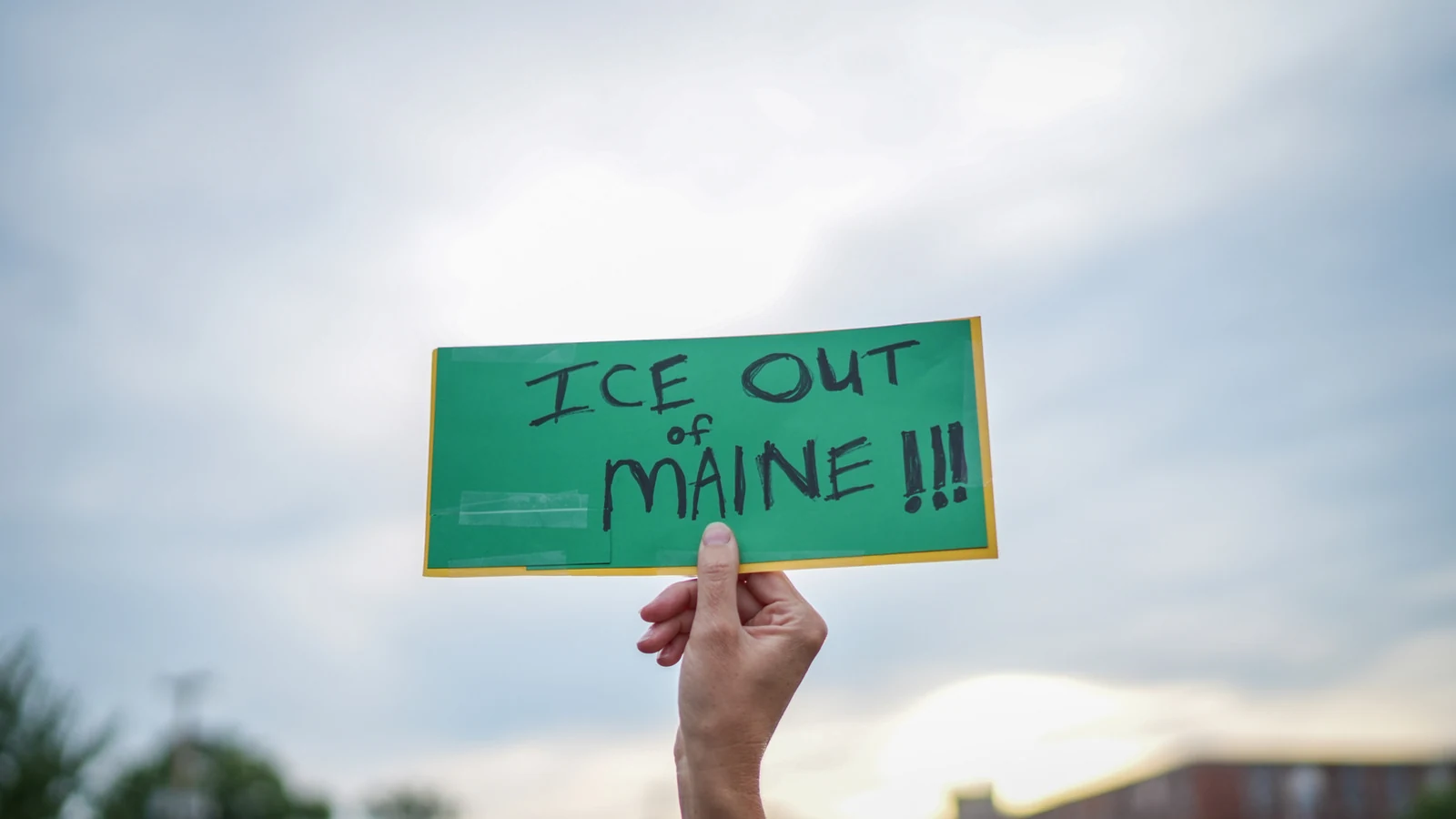
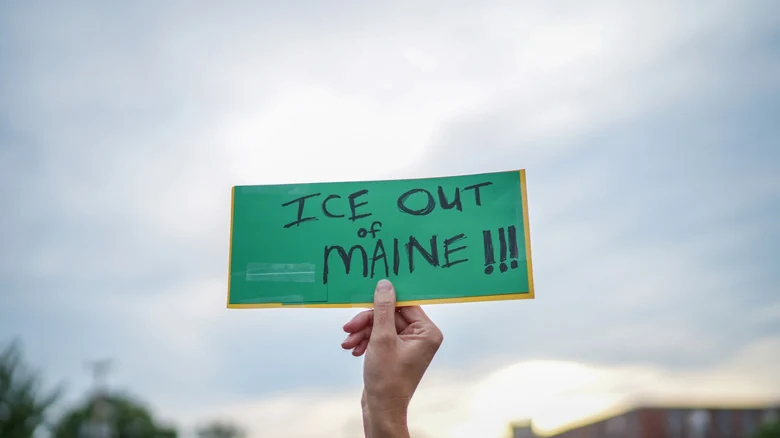
The revelation stems from a partially unsealed court filing concerning a January ICE operation that took place in Maine. The filing forms part of an ongoing class action lawsuit, leading to a redacted version becoming available to the public and shedding light on the purported database used to monitor ICE protesters.
Details of Surveillance and Intimidation Tactics
The lawsuit outlines various instances where DHS agents allegedly tracked and intimidated observers or protesters. In some cases, agents reportedly drove by the homes of individuals or labeled them under categories such as "Threat to Law Enforcement, Professional Protestor."
Further details from the legal filing illustrate aggressive interactions between agents and participants. In one specific example highlighted by <a href="https://www.engadget.com/2276609/ice-is-reportedly-using-a-palantir-database-to-compile-dossiers-on-protestors/">Engadget</a>, an agent allegedly called one of the plaintiffs on her cellular phone to suggest she tell her spouse not to engage in similar activities in the future, warning that individuals doing so might be added to a domestic terrorism watchlist.
Legal Concerns and First Amendment Implications
Attorneys representing the plaintiffs have expressed serious concern over the existence and utilization of the database. They argue that compiling such investigative dossiers creates a significant chilling effect on the First Amendment rights of protesters and legal observers.
The legal action seeks to address what the plaintiffs describe as an infringement on constitutional protections. By tracking individuals who merely observe or peacefully protest government operations, critics argue that law enforcement agencies cross legal boundaries regarding public surveillance.
Department of Homeland Security Response
In response to the allegations brought forward in the class action lawsuit, a DHS spokesperson strongly defended the agency's stance. Speaking to <a href="https://www.wired.com/story/ice-has-been-dumping-protester-photos-into-a-palantir-database/">Wired</a>, the spokesperson dismissed the case as "meritless" and explicitly denied the existence of any database utilized to label and track individuals as domestic terrorists.
As the class action lawsuit proceeds through the judicial system, further details regarding the scope of the database and the specific monitoring practices employed by DHS agents are expected to face additional scrutiny in court.
Sources
- EngadgetICE is reportedly using a Palantir database to compile dossiers on protestors
Continue chronologically

Related stories
ICE Stored Protester Photos in Palantir Database
Newly unsealed court filings allege ICE observers were photographed, tracked and entered into a Palantir-built investigative database.

Tested Mosquito Repellents for Your Yard in 2026
Discover what works and what doesn't when keeping mosquitoes away from your yard, featuring tested portable repellers, traps, and yard systems.

Understanding Audio Amplifiers and Sound System Quality
Explore what audio amplifiers do, how they impact your sound system quality, and whether you actually need a separate unit for your home theater.

FCC Restrictions on Foreign-Made Consumer Routers Explained
The FCC has implemented a ban on new foreign-manufactured routers and mobile hotspots. Learn what this means for your home network and future hardware.