OpenAI CEO Sam Altman Criticizes PC RAM Allocation
In a recent podcast interview, OpenAI CEO Sam Altman argued that consumer computers having local DRAM is inefficient for global allocation, suggesting that memory resources are better utilized in cloud data centers.
 Radwan AbdulhadiEditor and technology writer
OpenAI CEO Criticizes Home Computer Memory
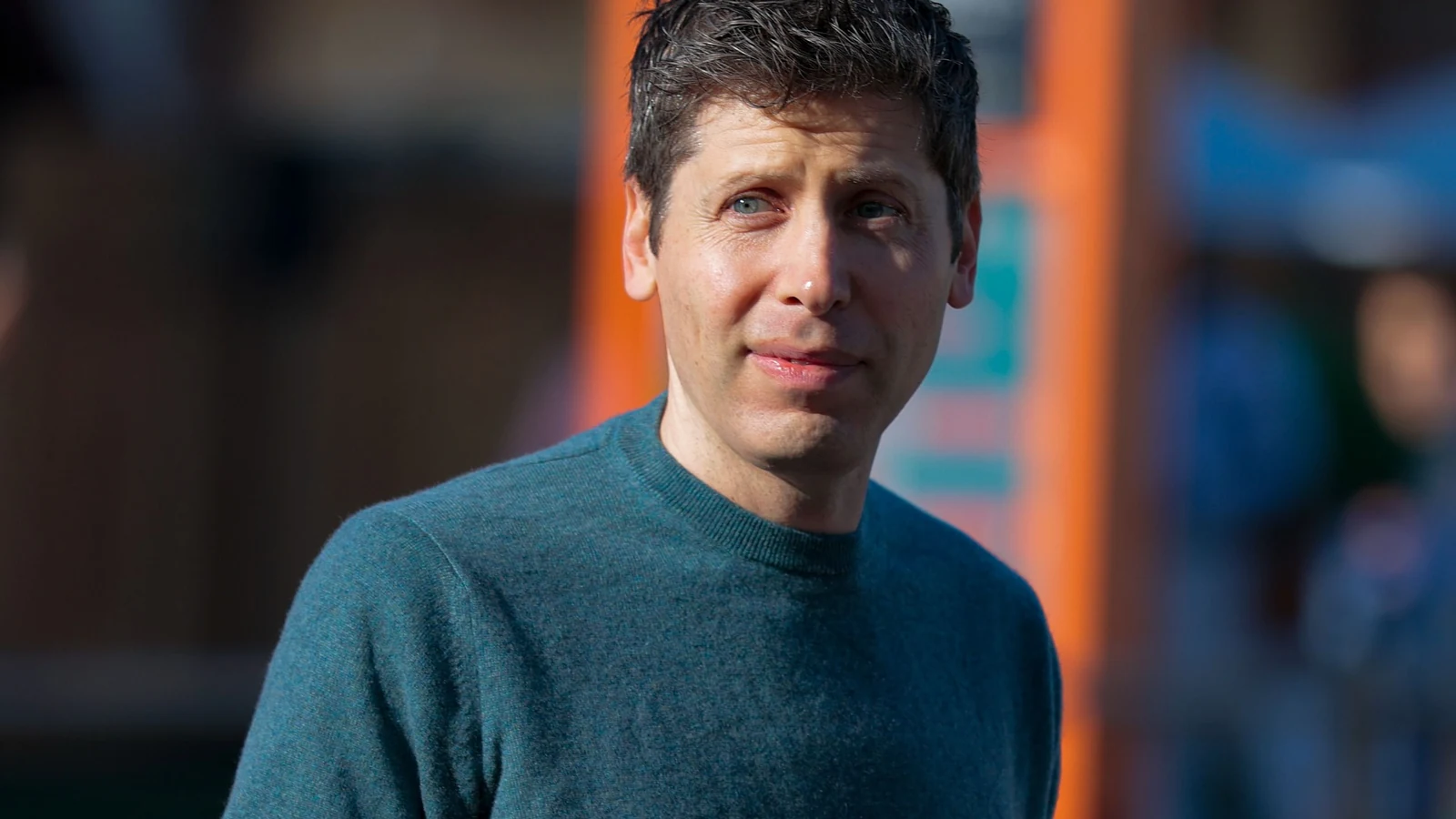
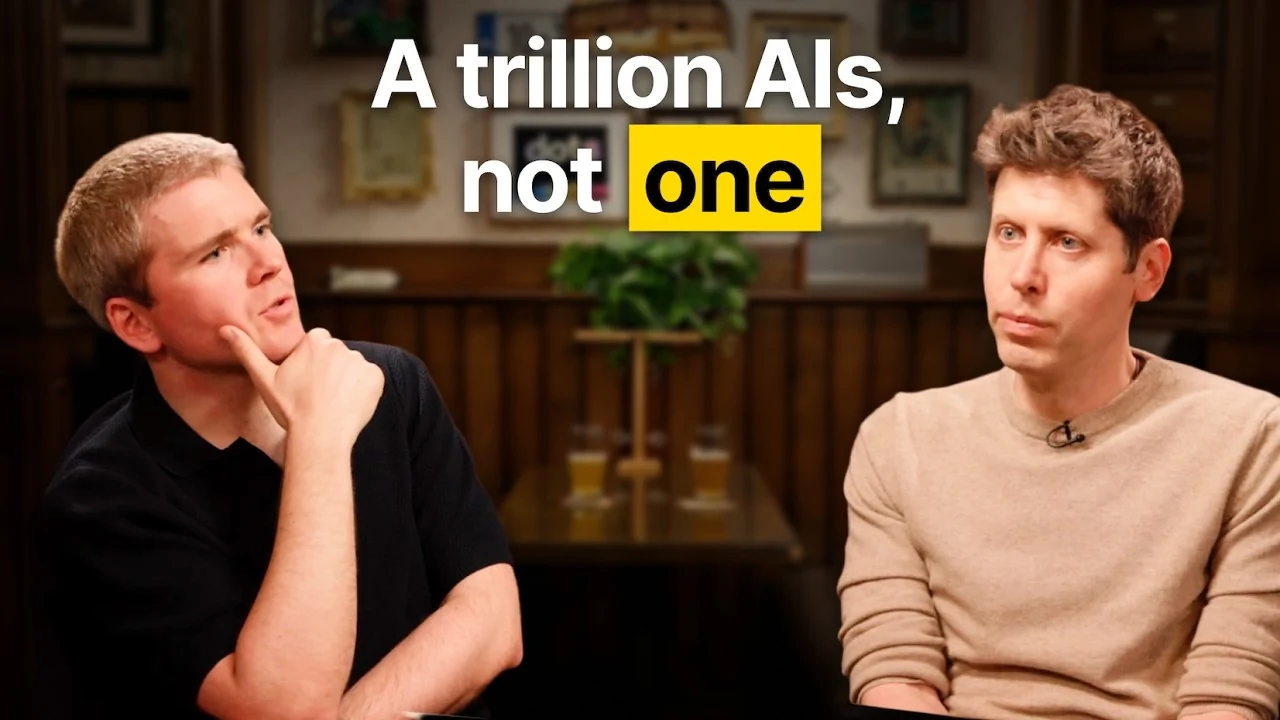
OpenAI CEO Sam Altman recently addressed the topic of local inference and consumer hardware during an interview over beers with the YouTube channel Cheeky Pint, stating that the widespread presence of DRAM in home computers is 'quite terrible' from a resource perspective.
While discussing open-source models and the assumption that everyday users want to run local artificial intelligence on their own custom or pre-built machines, Altman explained why he views this setup as flawed.
Global Allocation and Cloud Utilization
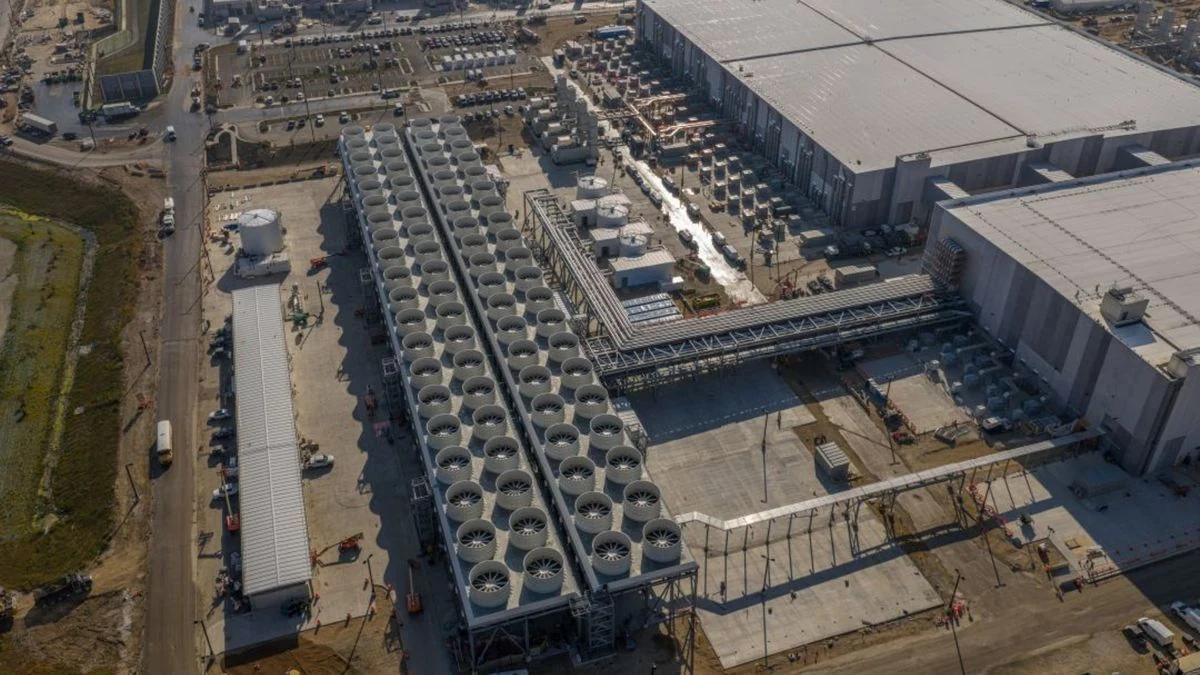
Elaborating on his viewpoint, Altman emphasized that in a supply-constrained environment, global allocation suffers when individual users maintain a share of the world's limited DRAM supply inside their personal systems.
According to the OpenAI chief executive, home computer memory often sits idle for significant portions of the time, whereas cloud architectures strive for maximum utilization.
'From a global allocation perspective, actually, it's quite terrible to have everybody have a bunch of the world's limited supply of DRAM sitting in their own computer and being used 5% of the time,' Altman stated during the interview. He added that the goal should be achieving maximum utilization in the cloud when confronting supply constraints.
Business Alignment and Open-Source Dynamics
Although OpenAI features some open-source offerings, its primary business model relies heavily on closed-source models hosted within centralized data centers. Consequently, Altman's remarks align directly with the company's operational structure.
As local AI development advances, powerful home gaming rigs and laptops could theoretically enable users to run capable models locally, potentially reducing the need for costly commercial cloud subscriptions.
Altman's commentary implies that memory resources would generate greater value inside massive data center deployments rather than supporting conventional desktop applications like web browsing, spreadsheets, or gaming.
Enthusiast Backlash and Hardware Ownership Concerns
The remarks have generated substantial discussion across hardware enthusiast communities, raising concerns about a potential shift away from local hardware ownership.
Critics and technology commentators noted that prioritizing cloud-exclusive infrastructure could push consumers toward renting virtual computing power and AI agents rather than buying and maintaining their own physical components.
Beyond artificial intelligence discussions, the wide-ranging interview also touched upon other technical topics, including mathematical research at OpenAI, model sandboxing techniques, and recent software security vulnerabilities.
Sources
- Tom's HardwareOpenAI CEO says it's 'quite terrible' for your PC to have RAM — Sam Altman says data centers offer better utilization
Continue chronologically


Related entity coverage
Related stories
Sam Altman Criticizes Personal RAM Hoarding in PCs
OpenAI CEO Sam Altman calls it terrible for personal computers to hold scarce DRAM resources, drawing criticism amid industry-wide hardware shortages.
Sam Altman Meets Samsung Leadership to Secure Data Center RAM
OpenAI CEO Sam Altman met with Samsung executives in South Korea to discuss AI data center growth and memory chip supplies amid global shortages.
Meta and OpenAI Prepare New Physical AI Hardware Strategies
Meta and OpenAI are testing physical AI hardware strategies by soft-launching cutesy software agents, aiming to succeed where previous devices failed.
Sam Altman: OpenAI's Math Onslaught Will Not Stop
OpenAI CEO Sam Altman acknowledges mathematicians' struggles with AI-generated math results but insists the company's scientific onslaught will continue.