OpenAI Details Scaling Strategy for ChatGPT Online Storage
OpenAI has outlined the architectural journey behind Habitat, its application storage platform designed to manage unprecedented growth and deliver fast data access for over 1 billion ChatGPT users.
 Radwan AbdulhadiEditor and technology writer
Scaling Habitat for Global Users
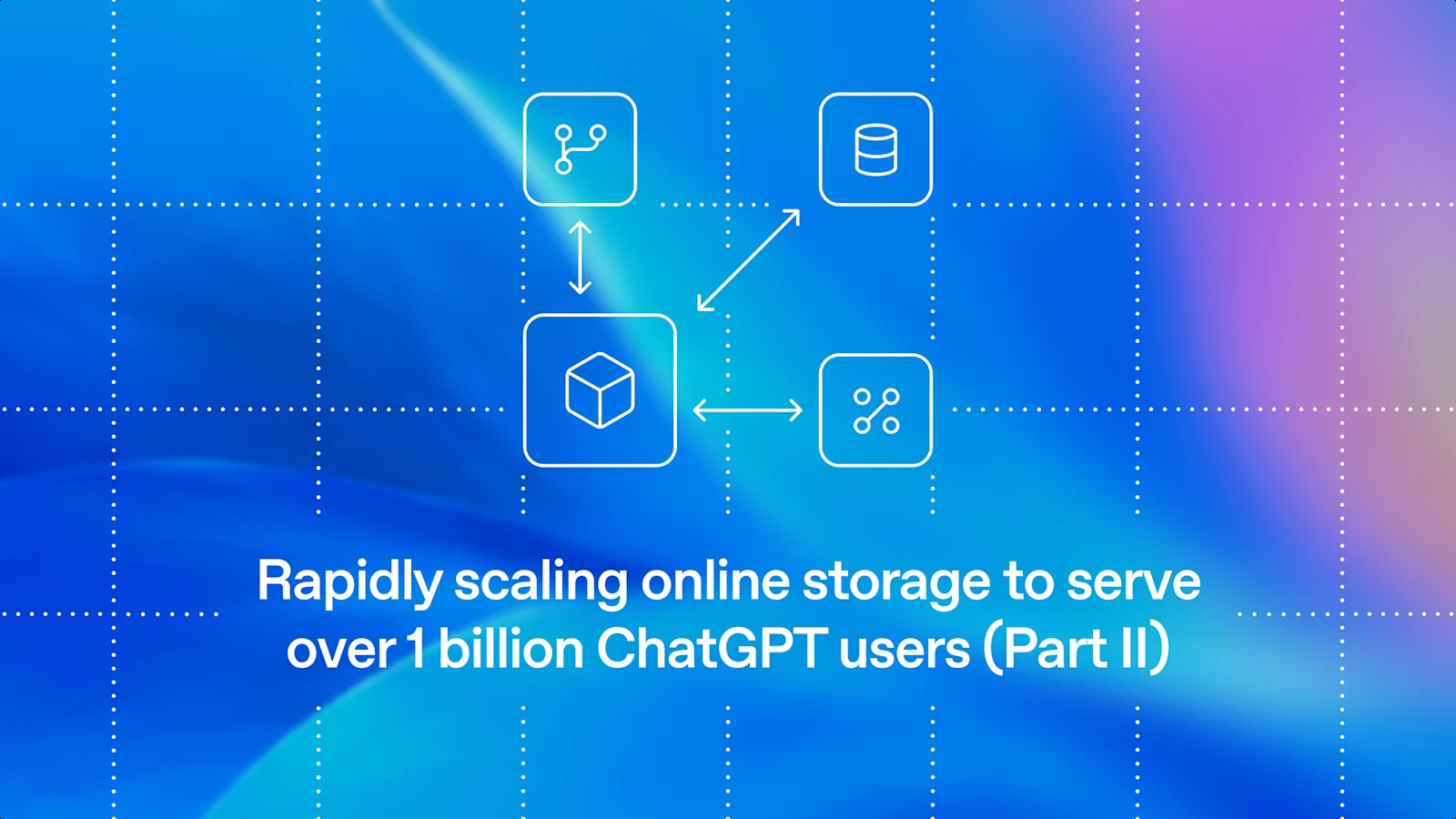
OpenAI products require fast and reliable access to data, a requirement fulfilled by the company's application storage platform known as Habitat. Operating at an extraordinary scale, the platform must respond in milliseconds to over 1 billion users across 40 geographic regions. This explosive growth presented significant technical challenges regarding reliability, performance, and product developer velocity.
To manage these demands, the engineering team adopted a systematic approach: first establishing reliability for mission-critical traffic, then optimizing speed for a global user base, and finally maintaining efficient operations at scale. Further details on this technical path can be found in the official updates provided by OpenAI News.
Evolution of the Storage Platform
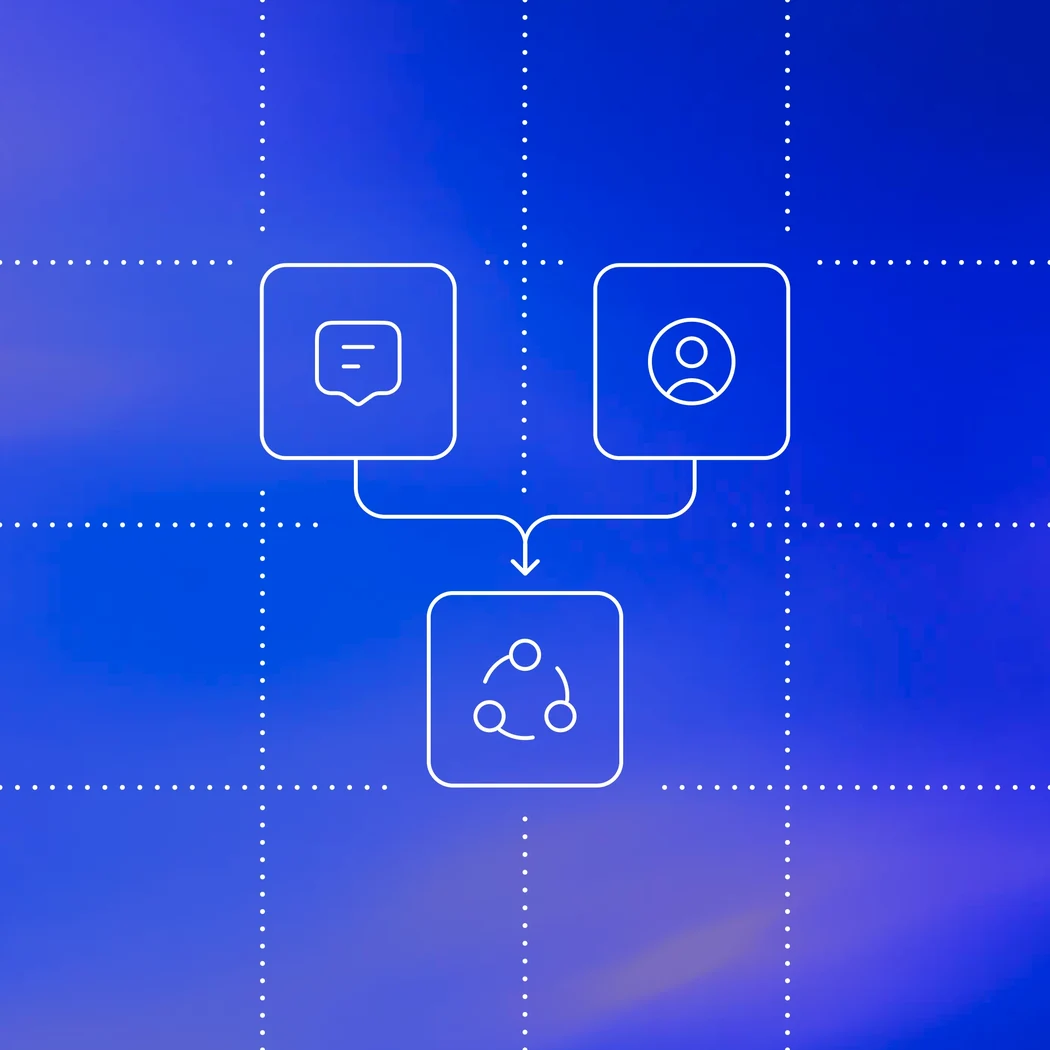
The comprehensive two-part technical series outlines how Habitat evolved from a basic client library and database into a globally distributed storage platform managing over 500 petabytes of data. While the initial installment examined the transition from a Python client to a service, the second installment addresses the underlying storage mechanics.
Through a close partnership with the Azure team, the technical staff worked to arrive at a viable multi-tenancy approach utilizing co-managed containers. This architecture delivers robust read performance across massive, global deployments.
Navigating the Multi-Tenancy Tradeoffs
As infrastructure teams scale, they frequently transition between single-tenant and multi-tenant architectures. Single-tenant designs offer clear ownership boundaries and limit blast radii, but they can quickly become expensive. Individual product teams are forced to handle their own capacity planning, often leading to significant over-provisioning.
Conversely, centralized multi-tenant databases offer better resource provisioning knowledge but introduce challenges such as noisy-neighbor issues. In these scenarios, a single tenant consuming an unusually large share of resources can negatively impact other tenants sharing the same infrastructure.

Azure Cosmos DB and Partition Dynamics
Habitat's initial architecture relied heavily on Azure Cosmos DB primitives, utilizing default containers within each account and depending on documented logical partition limits to manage load. However, exposing logical partition keys directly to clients led to frequent collisions across different product surfaces on common keys like user_id or workspace_id.
Furthermore, physical partitions presented unique scaling hurdles. Because physical partition limits are shared among all colocated logical keys, noisy neighbors occasionally disrupted unrelated workflows. Additionally, as data volumes expanded and partitions split, the effective throughput limit per partition shrank, creating distinct scaling challenges for storage-heavy use cases.

Career Opportunities and Ongoing Engineering
OpenAI continues to expand its engineering efforts around online data infrastructure. Professionals interested in contributing to the architecture behind Habitat and similar foundational systems can explore open roles listed on the company's careers page.
The ongoing work highlights the complex engineering required to maintain high-performance AI infrastructure capable of supporting massive global user adoption throughout 2026 and beyond.
Sources
- OpenAI NewsRapidly scaling online storage to serve over 1 billion ChatGPT users (Part II)
Continue chronologically

Related entity coverage
Related stories
OpenAI and Oracle Expand Partnership to Bring Apps to ChatGPT
OpenAI and Oracle expand their commercial partnership to integrate business applications and AI agents into ChatGPT and power new Oracle offerings.
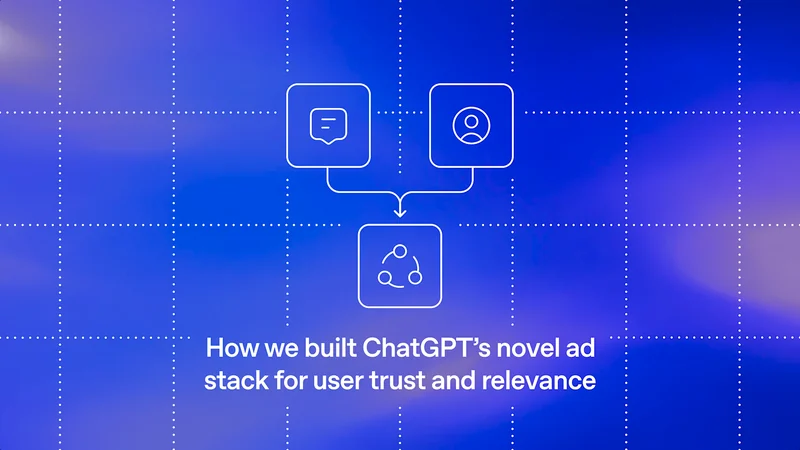
OpenAI Details Custom LLM-Powered Ad Stack for ChatGPT
OpenAI outlines the architecture behind ChatGPT's new ad stack, leveraging a custom post-trained LLM and separate infrastructure to protect user trust.
OpenAI Details the Evolution of Its AI Assistant, Dots
OpenAI executive Alexander Embiricos explains how the company evolved its coding tools into dots, its always-on AI personal assistant.
OpenAI Releases Signals Data on Global ChatGPT Work Use
OpenAI Economic Research has released new data covering 165 work activities across nearly 100 countries, mapping how people use ChatGPT for work.