OpenAI Details the Evolution of Its AI Assistant, Dots
OpenAI executives recently discussed the development behind dots, an always-on personal assistant built to handle proactive background tasks.
 Radwan AbdulhadiEditor and technology writer
The Rise of Always-On AI Assistants
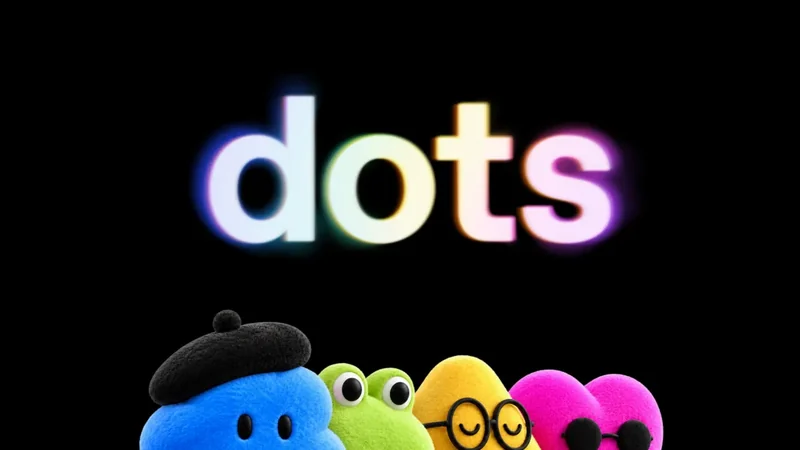
The always-on AI personal assistant category has emerged as a major focus for deep learning model deployment, with multiple tech giants introducing background agents designed to work autonomously. OpenAI entered this space when the company released dots, its bubbly agentic avatar, at its developer day in late September.
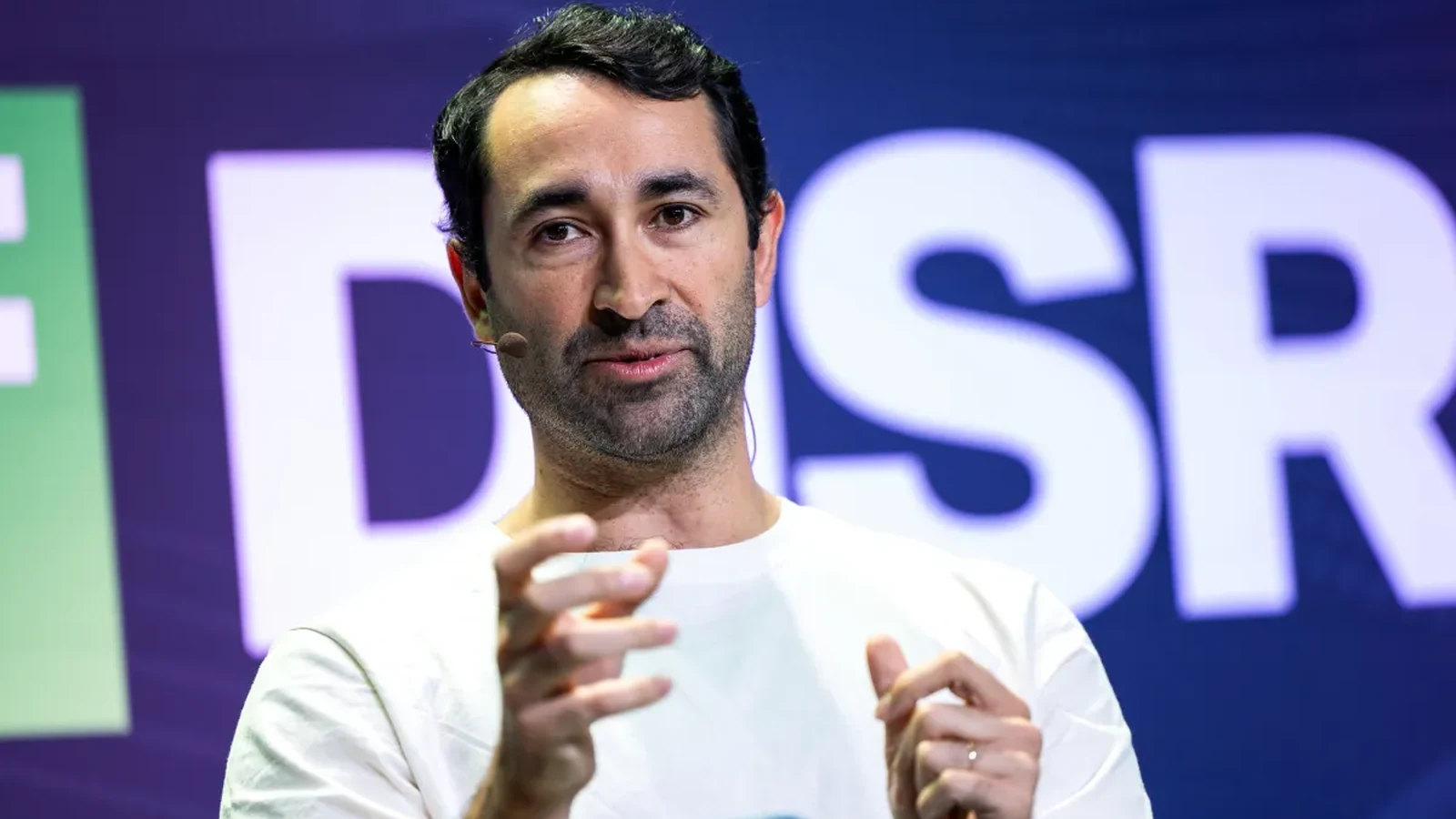
Alexander Embiricos, who leads OpenAI’s enterprise product team, spoke about the origins of the product. He explained that framing the software as a single, persistent entity helps make the technology intuitive for users rather than fragmenting interactions across multiple conversations.
From Coding Tools to Personal Assistants
The path to the personal assistant offering involved packaging existing model capabilities into more accessible formats. This iterative approach mirrors how OpenAI previously spun ChatGPT Work out of agentic coding tools originally built for software engineers.
According to OpenAI, dots is available in the ChatGPT desktop and mobile applications for subscribers on the Pro tier or higher, with plans starting at $100 a month. Once connected to a user's calendar, email, and other software tools, the agent attempts to assist with daily workflows.
Embiricos noted that users could technically achieve similar functionality using OpenAI's Codex coding tool released earlier in the year, though that approach requires significantly more manual oversight and hand-holding.
Proactive Functionality and Background Research
Unlike standard chatbots that require direct prompts, persistent agents operate continuously in the background. Embiricos described this proactive capability as a core design element, noting instances where the assistant detected system outages or calendar conflicts independently.
To support this proactive behavior, OpenAI implemented a feature called proactive research. On a regular cadence, the assistant reviews what it knows from previous conversations and accessible resources to determine how it can be more helpful to the user.
However, this persistent monitoring also brings challenges regarding response timing and development maturity. Early tests showed that the assistant occasionally flagged scheduling conflicts only minutes before they occurred, though OpenAI expects timing accuracy to improve over time.
Privacy Controls and Granular Permissions
The need for personal data to power effective AI agents introduces ongoing questions regarding data exposure and user privacy. Similar to criticisms faced by Meta's assistant Muse regarding the profiles it builds, background agents require access to considerable personal information.
OpenAI states that dots operates under the same privacy controls as standard ChatGPT, enabling users to opt out of model training and manage system access permissions. Nevertheless, feedback indicates that permission structures remain a work in progress, with some users desiring more granular controls over resource sharing.
Embiricos acknowledged that the company started with conservative defaults that frequently asked for user permission, noting that the product team plans to tune these behaviors progressively based on user feedback.
Infrastructure and Ecosystem Integration
As AI agents expand their operational scope into areas like financial transactions, integration with broader infrastructure networks becomes critical. Embiricos emphasized that OpenAI is engaging in extensive conversations with payment processors and ecosystem partners to ensure safe collaboration.
Despite the push toward automated agents, OpenAI leadership acknowledges current ecosystem limitations. Embiricos remarked that businesses and human professionals are not always equipped to interact seamlessly with autonomous agents, maintaining that human oversight and communication remain vital across corporate partnerships.
Sources
- TechCrunchHow OpenAI turned its coding tools into dots, an always-on personal assistant
Continue chronologically
Related entity coverage
Related stories
OpenAI Introduces Dots Agent Platform for Work and Tasks
OpenAI has announced Dots, a new agent platform designed for workplace and business software use cases that can also assist with personal tasks.

OpenAI Launches Visual Ads for ChatGPT Image Results
OpenAI is rolling out visual display ads alongside ChatGPT image generation results in the U.S. as part of its ad-supported tiers.
OpenAI Launches Dots, Its New Agentic AI Assistants
OpenAI has announced Dots, a new line of always-on AI assistants powered by the GPT-6 Astra model to compete with Meta's Muse AI.
ChatGPT Introduces Locked Chats Feature Backed by PIN Security
OpenAI is rolling out a new locked chats feature for ChatGPT, allowing users to secure sensitive conversations behind a four-digit PIN or biometrics.