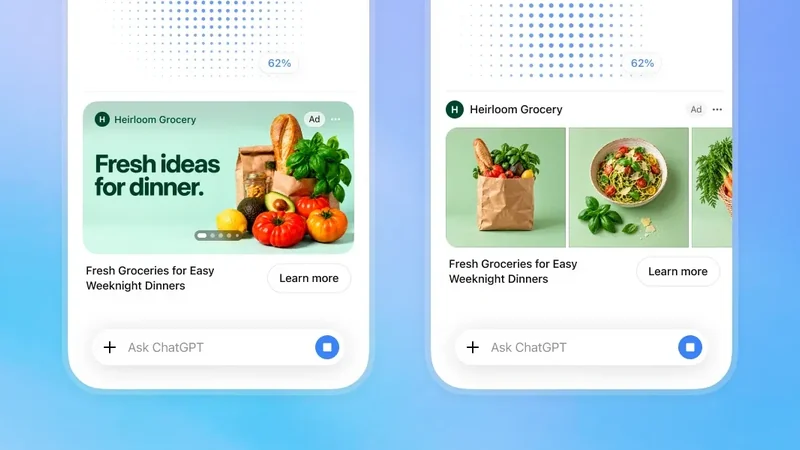
OpenAI Details Custom LLM-Powered Ad Stack for ChatGPT
OpenAI has published technical insights into the development of ChatGPT's custom, LLM-powered advertising system, detailing how it maintains conversational context while keeping sponsored content entirely separate from organic responses.
 Radwan AbdulhadiEditor and technology writer
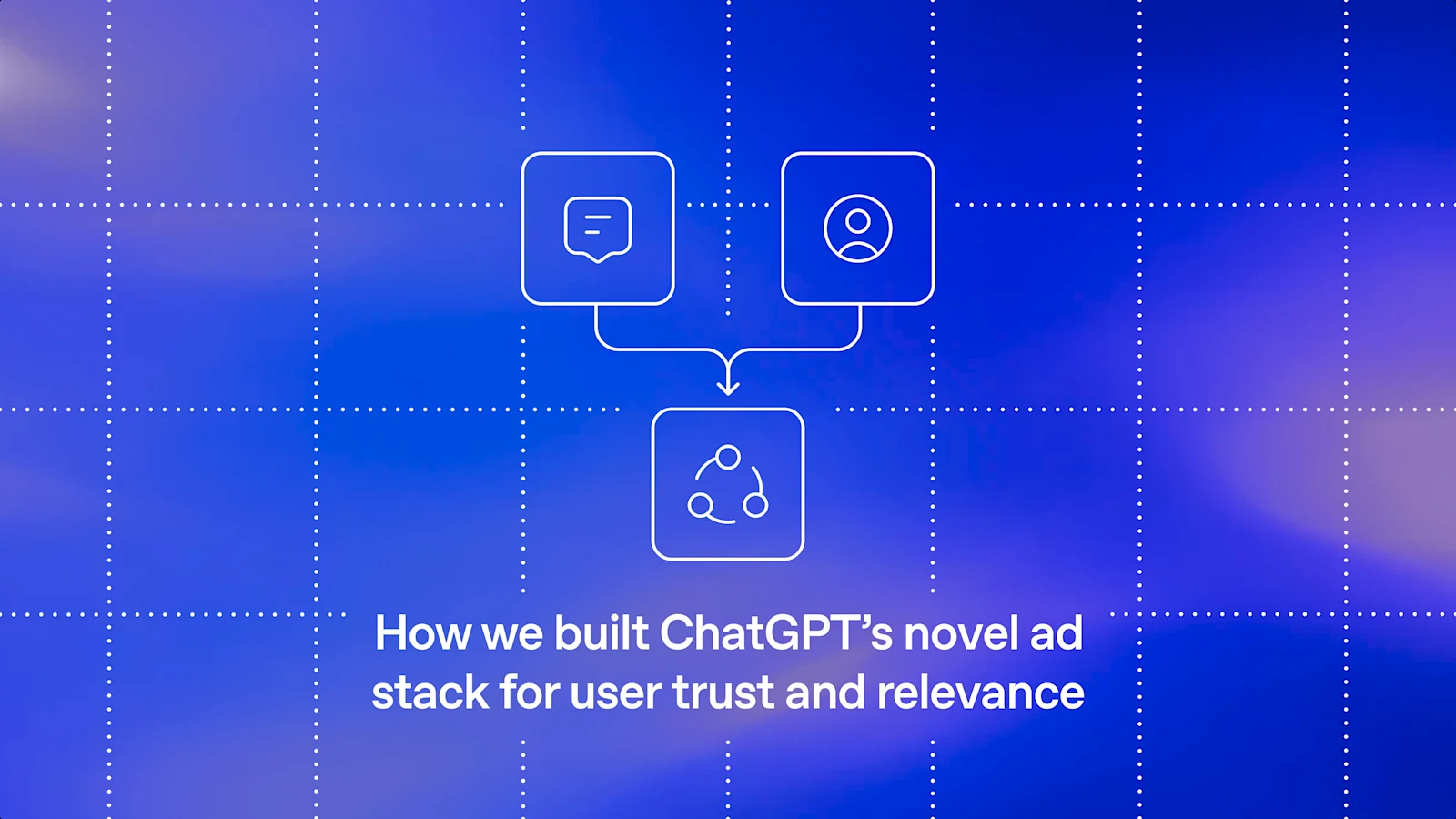
Moving Beyond Traditional Request-Response Ad Architectures
Traditional online advertising systems are fundamentally designed around discrete units of user intent, such as a single search query or a specific page view. However, building an advertising infrastructure for <a href="https://openai.com/news/?tags=chatgpt">ChatGPT</a> required handling conversational goals that develop and shift over multiple turns without necessarily following a linear search pattern.
According to OpenAI technical staff, users arrive at conversational interfaces with broad objectives rather than single-answer queries, such as planning a trip, furnishing a home, or selecting business software. Because these goals evolve dynamically across conversational turns, treating every message as a standalone request risks misreading user intent and displaying premature or intrusive advertisements.

Stateful Sessions and Architectural Separation
To support nuanced user goals, OpenAI implemented stateful ad sessions that remember information across multiple conversation turns. This design allows the system to follow and adapt to developing exchanges rather than depending on a single flattened query.
Crucially, the ad selection process runs entirely separately from <a href="https://openai.com/news/?tags=chatgpt">ChatGPT</a>'s organic answer generation. Operating in its own independent service with separate models and code, the ad stack evaluates potential opportunities without influencing the model's core response path or neutral voice.
This structural decoupling ensures that core generation services have no dependency on the advertising infrastructure. If the ad serving system encounters delays or becomes unavailable, organic responses continue completely unaffected, protecting both system reliability and user experience.

The Orchestrator LLM and Agentic Loop
At the core of the new advertising stack is a post-trained frontier LLM referred to as the orchestrator. This model operates in an agentic loop, making tool calls to manage retrieval, ranking, relevance evaluation, and final auction pricing.
Because conversations unfold incrementally, the orchestrator must interpret ambiguous context, recognize references to earlier messages, and distinguish genuine commercial intent from hypothetical queries or casual mentions of products and services.
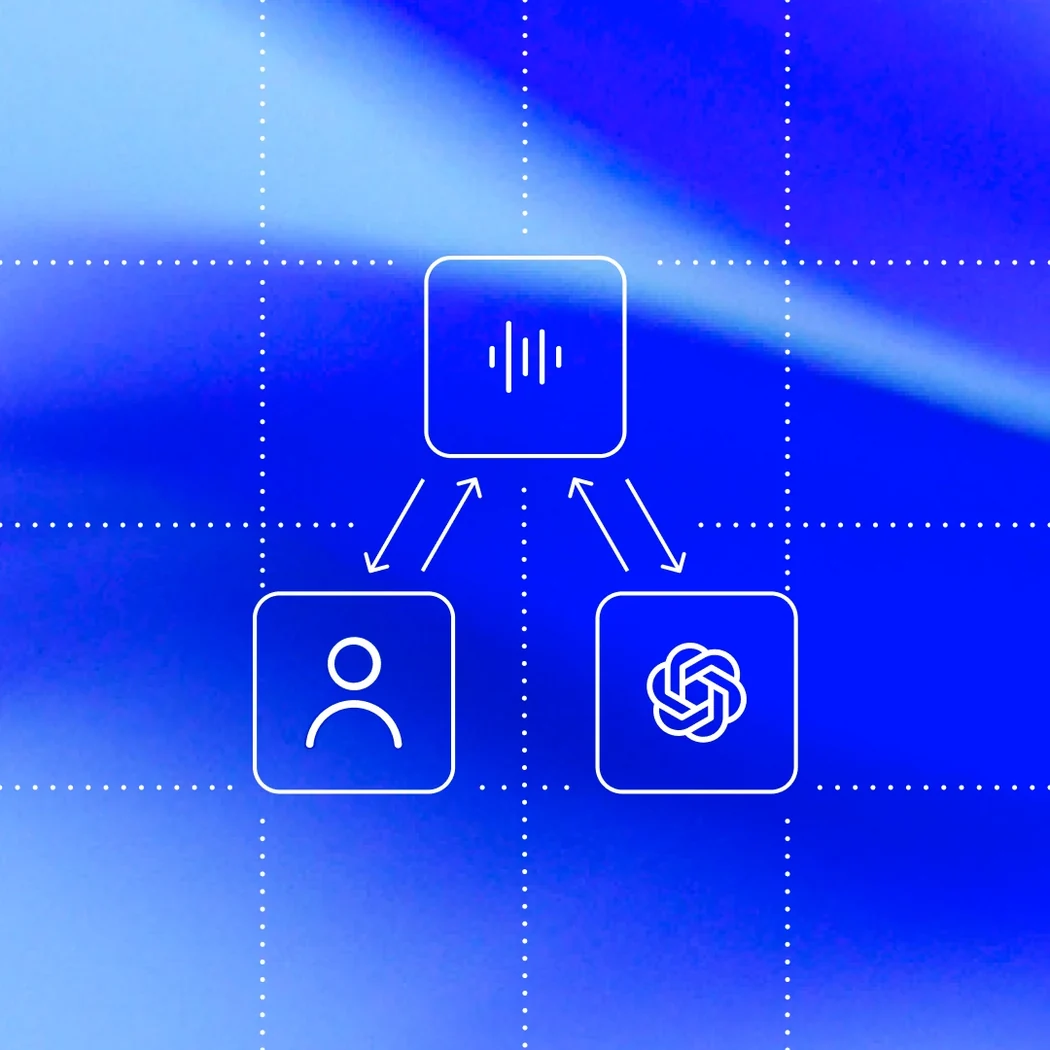
Rapid Adoption and Commercial Growth
While bootstrapping a self-improving advertising system of this scale historically required years of development, commercial adoption has scaled rapidly following rollout in <a href="https://openai.com/news/?tags=2026">2026</a>.
OpenAI reports that <a href="https://openai.com/index/expanding-access-to-ai-with-chatgpt-ads/">less than 200 days after launch</a>, ChatGPT Ads reached $1 billion in annualized revenue run rate. More than 100,000 advertisers have utilized the platform since its initial rollout.
The platform continues to balance commercial value with user trust by adhering to strict delivery standards where returning no ad remains a normal and successful outcome, ensuring sponsored content is displayed only when clearly beneficial.
Sources
- OpenAI NewsHow we built ChatGPT’s novel ad stack for user trust and relevance
Continue chronologically
Related entity coverage
Related stories
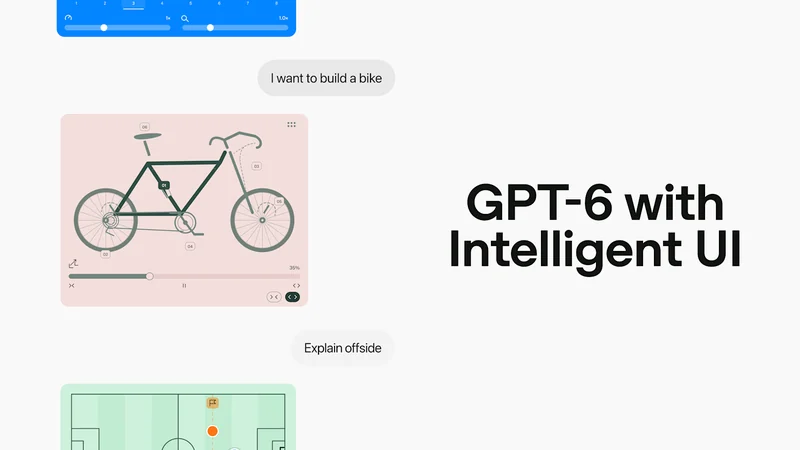
OpenAI Rolls Out GPT-6 to All Tiers of ChatGPT
OpenAI is rolling out GPT-6 to all ChatGPT tiers, bringing a new Intelligent UI capability that delivers interactive visual responses and faster answers.
OpenAI rolls out GPT-6 with Intelligent UI to ChatGPT
OpenAI launches GPT-6 globally in ChatGPT, introducing Intelligent UI for interactive responses and faster answers. Read the official announcement.
OpenAI Introduces Visual Ad Format for ChatGPT
OpenAI is expanding advertisements in ChatGPT with a new visual format showing sponsored products and services when generating images.
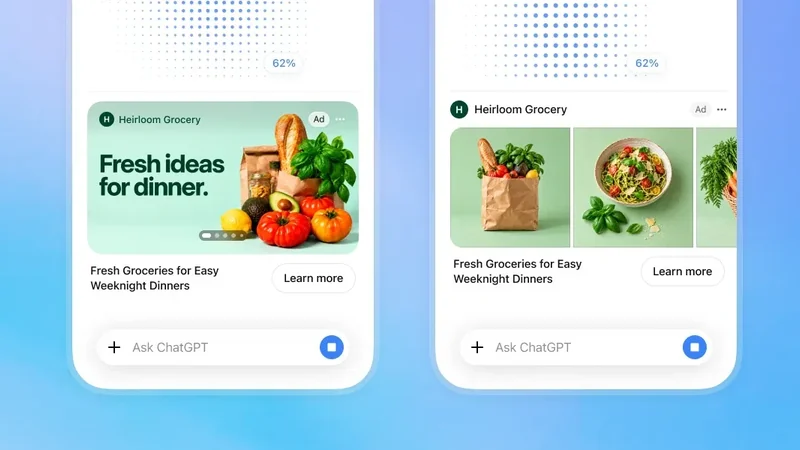
OpenAI Launches Visual Ads for ChatGPT Image Results
OpenAI is rolling out visual display ads alongside ChatGPT image generation results in the U.S. as part of its ad-supported tiers.