Smart TV Owners Turn to AI Agents to Strip Bloatware
Frustrated by mandatory advertisements, constant watch tracking, and sluggish user interfaces, smart TV owners are increasingly turning to AI agents to strip away software bloat and regain control of their devices.
 Radwan AbdulhadiEditor and technology writer
The Rise of AI-Powered TV Customization
The latest use case for artificial intelligence involves dumbing down modern smart TVs to eliminate unwanted software bloat. A growing number of developers and tech enthusiasts have begun sharing solutions for vibe-coding home entertainment systems to remove sponsored advertisements, accelerate app launchers, redesign home screens, and disable intrusive tracking features.
While hacking consumer electronics to achieve deeper system control is far from a novel concept, recent advancements in AI technology have rendered these efforts significantly more accessible to average users. For smart TVs, these hacks emerge at a time when consumers are increasingly fatigued by mandatory advertisements and devices that continuously monitor their viewing habits.
Targeting Bloatware with Open-Source Tools
Modern smart television sets typically ship equipped with automatic content recognition technology, which identifies on-screen content using digital fingerprinting, audio clips, and screenshots. In response to these privacy concerns and sluggish interfaces, developers have introduced specialized tools hosted on developer platforms.
One such initiative is available via a GitHub page, which outlines a mission to ensure televisions perform strictly as paid: operating personal applications, HDMI inputs, and nothing else, free from internal advertisements, watch tracking, and unsolicited system updates.
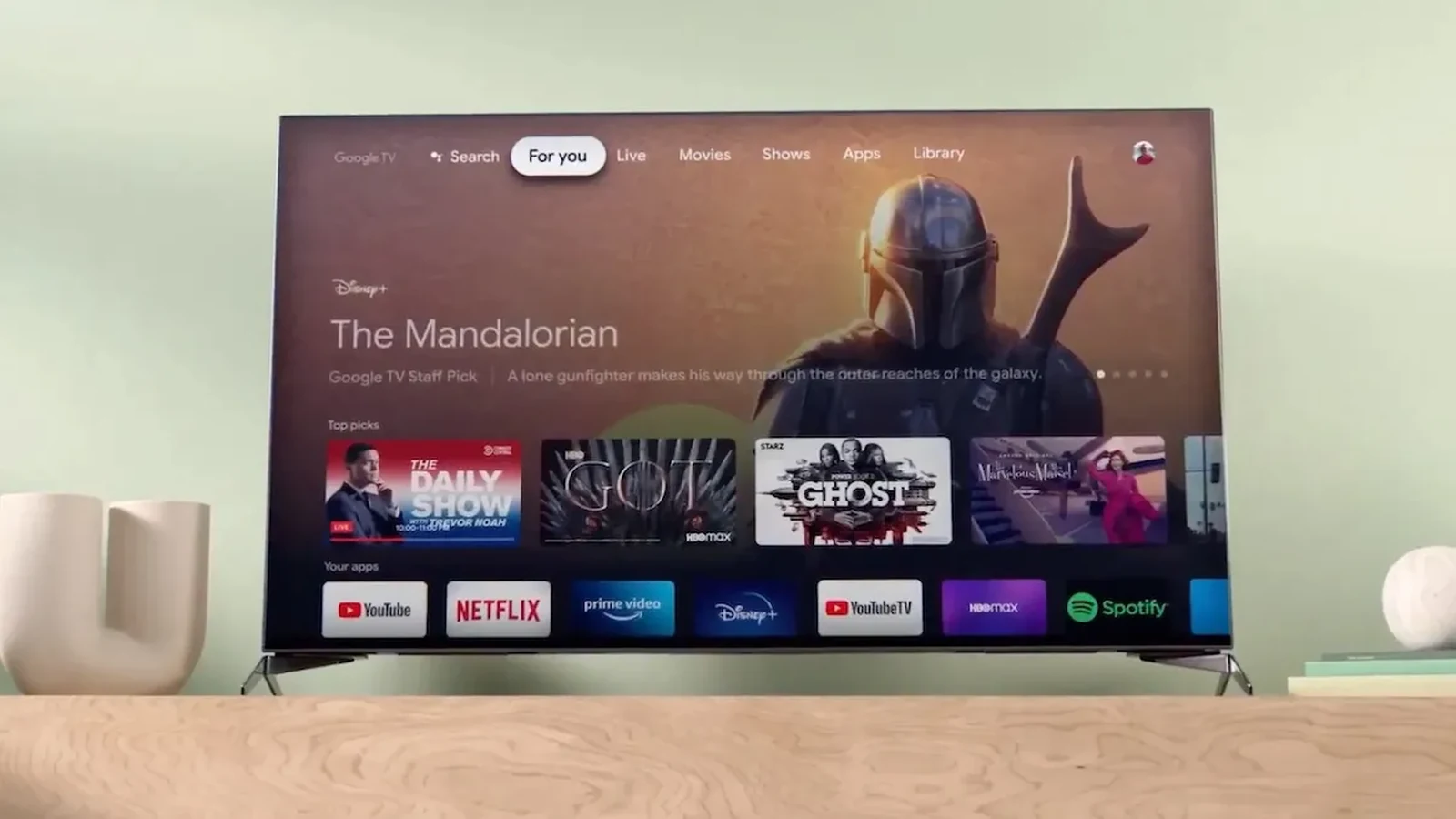
Another prominent project targets Android TV and Google TV platforms over Wi-Fi to strip away unwanted bloatware and substitute the stock launcher with an interface mirroring Apple TV. The developer behind cleanyourtv demonstrated the concept after utilizing Claude Code to clean up a family television set, disabling numerous manufacturer packages and installing a streamlined custom launcher.
Cross-Platform Testing and Developer Insights
The development behind these modifications relies heavily on advanced language models and AI agents. The dumbtv solution, for instance, has undergone end-to-end testing across Fire TV Edition devices as well as Android and Google TV platforms manufactured by brands like Sony, TCL, Philips, Hisense, Xiaomi, and Nvidia Shield. Muzzammil Yasin Sabuwala, the developer behind the project, was motivated by a desire to bypass advertisements and access desired content immediately. He reported that his solution was coded using a combination of DeepSeek and Claude models, with plans to expand support for additional models over time.
Gathin T., creator of the competing cleaning tool, noted that the trend quickly gained traction online after sharing documentation and instructions. Within days, thousands of users applied similar prompts to their own hardware, affecting displays from various major manufacturers.
Viral Prompts and Individual Experiments
Beyond pre-packaged open-source repositories, individual users have discovered success by interacting directly with conversational AI assistants. In a viral social media post, a user demonstrated asking an AI agent to examine a specific TV listing and execute a cleanup process. The assistant guided the user through removing system bloat, accelerating the lagging user interface, and customizing screensavers.
Additional users reported successfully disabling dozens of heavy background applications and replacing bulky stock interfaces with lightweight alternatives using basic conversational prompts. However, experts and community members advise caution, noting that these solutions remain active works in progress.
Potential Risks and Industry Implications
If these modifications gain widespread adoption among everyday consumers, they could disrupt the smart TV advertising industry, which heavily relies on monetizing viewing data and displaying targeted interface ads. Nevertheless, automated system modification carries inherent risks for consumers.
While solutions like dumbtv do not require permanent root access and generally allow devices to return to factory default states, AI agents are prone to errors. Some users testing these methods have encountered unresponsive systems, complex prompt requirements, or accidental deletion of critical packages, with isolated reports of devices being permanently bricked. For consumers seeking safer customization routes without full AI intervention, traditional home screen replacement applications remain widely available.
Sources
- TechCrunchPeople are using AI to make their smart TVs dumb again
Continue chronologically

Related entity coverage
Related stories
Best Prime Day Soundbar Deals Offer Major Audio Upgrades
Discover top soundbar deals during October Prime Day, featuring discounts on popular models from Sonos, Sony, TCL, and more for home entertainment.

Original PlayStation 2 Security Chip Reverse Engineered
More than 25 years after the fat PlayStation 2 launched, developers have successfully reverse engineered and dumped its stubborn SPC970 security chip.
How to Add Dolby Atmos to Your TV on a Budget
Discover how budget-friendly soundbars and streaming devices can add immersive Dolby Atmos audio to your home setup without breaking the bank.
LG MRGB95B Review: RGB LED TV Falls Short of OLED
An evaluation of LG's 75-inch Micro RGB evo MRGB95B reveals high brightness but falls short against competitors and OLED alternatives.