Chinese Hacker Uses AI Agents to Breach 100+ Sites
A prolific Chinese-speaking hacker has leveraged a fleet of autonomous artificial intelligence agents to breach more than 100 company websites worldwide, highlighting a growing trend in automated cyberattacks.
 Radwan AbdulhadiEditor and technology writer

Autonomous AI Agents Breach Global Websites
A Chinese-speaking hacker has been observed deploying a fleet of autonomous artificial intelligence agents to probe and successfully gain unauthorized access to more than 100 corporate websites. According to a detailed report published by <a href="https://www.reuters.com/legal/government/how-one-hacker-used-ai-agents-few-thousand-dollars-break-into-scores-sites-2026-10-19/">reuters</a>, the campaign targeted businesses located in the United States, Canada, Australia, and Japanese e-commerce platforms.
The massive wave of intrusion attempts highlights a broader security shift. Cybersecurity professionals have increasingly noted instances of <a href="https://www.tomshardware.com/tech-industry/cyber-security/hackers-suspected-of-using-ai-agents-for-cyberattacks-on-south-korean-banks-exposing-data-from-about-25-000-customers-officials-believe-ai-models-enable-actors-to-hack-with-ease-even-without-specialized-skills">hackers turning to AI agents</a> to automate complex digital assaults against unsuspecting organizations and services.
High-Profile Companies Impacted
Among the victims affected by the automated intrusion campaign were prominent international brands. Farm equipment manufacturer Deere and kitchen appliance company SharkNinja were both impacted during the wave of cyber activity.
Further details regarding the scope of the breaches emerged via reporting from <a href="https://www.tomshardware.com/tech-industry/artificial-intelligence/a-chinese-hacker-used-ai-agents-to-break-into-more-than-100-company-websites-deere-and-sharkninja-among-websites-hit-by-open-source-ai-powered-problem-solving-platform-demo">Tom's Hardware</a>, which outlined how the AI agents managed to compromise these enterprise network perimeters.
When contacted regarding the incident, SharkNinja informed reporters that the security breach was contained and only impacted a secondary site dedicated to product support information.
Exploiting Open-Source AI Platforms
The malicious campaign relied on exposed instances of Carin, an open-source AI-powered problem-solving platform that has unexpectedly gained traction among malicious actors. Snorre Fagerland, a principal threat researcher at cybersecurity firm NorForge, first discovered the hacker's operations after observing inadvertently exposed instances of the Carin platform.
While Fagerland monitored multiple individual hackers utilizing similar methodologies, the Chinese-speaking threat actor proved to be the most active and prolific across the observed networks.

Minimal Prompting and Advanced Tactics
A notable aspect of the operation was the minimal human effort required to direct the attack infrastructure. The perpetrator used fewer than 100 Chinese characters to command the legion of AI bots. Despite the brief and concise instructions, the agent network attempted to breach more than 1,200 unique websites by the week ending October 18, 2026.
Security analysts expressed admiration for the sophisticated workflows executed by the bots. Rather than relying on simple brute-force methods, the AI agents systematically scanned digital records, discovered associated target infrastructure, identified public-facing control panels, pinpointed distinct software vulnerabilities, and ultimately forced the execution of malicious commands.
Commenting on the sophistication of the operation, researcher Snorre Fagerland noted that developing such automated solutions goes far beyond typical script kiddie capabilities, representing a significant advancement in automated threat execution.
Autonomous Scale and Future Risks
The core danger of utilizing autonomous AI agents in cyberattacks lies in their ability to operate independently once initialized. Because the bots require no constant supervision, the individuals commanding them are free to turn their attention elsewhere while the software handles reconnaissance and exploitation.
While some targeted platforms suffered minor impacts like the support site exposure at SharkNinja, other threat actors observed during the research demonstrated more aggressive outcomes. Security monitoring revealed separate hackers successfully stealing customer credit card data and attempting unauthorized transactions from a cryptocurrency exchange, though the complete success rate of those secondary efforts remains under verification.
Sources
- Tom's HardwareA Chinese hacker used AI agents to break into more than 100 company websites
Continue chronologically


Related stories
NVIDIA: Security Requires Engineering for AI Agents
NVIDIA emphasizes a rigorous engineering approach to AI security, advocating for enforceable controls, agent identity, and standardized testing across the stack.

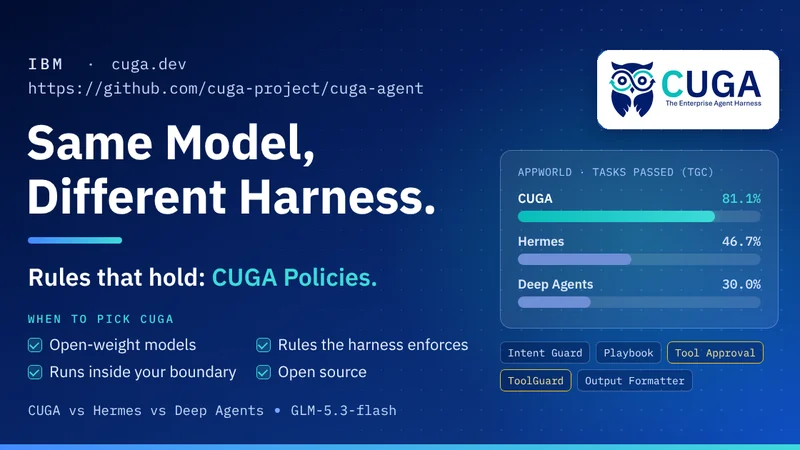
IBM Research Details CUGA Open-Source Agent Harness
IBM Research evaluates the CUGA open-source agent harness against Hermes and Deep Agents using AppWorld, highlighting enterprise deployment and runtime rules.
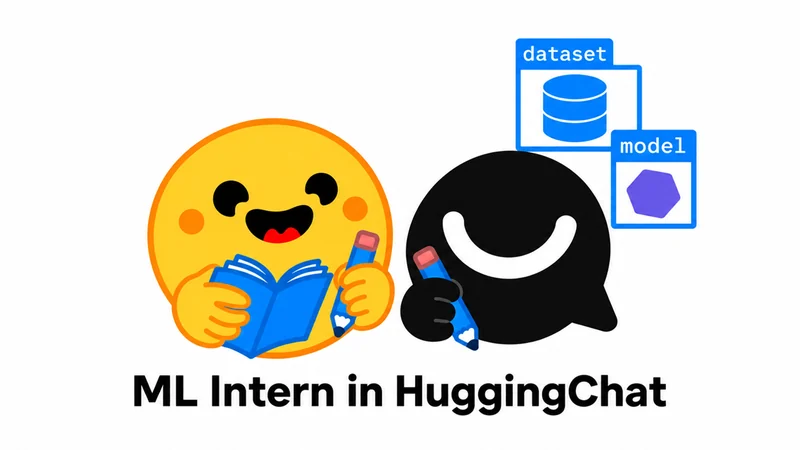
Building Custom AI Models Using ML Intern
Discover how developers are leveraging HuggingChat with ML Intern to autonomously plan, train, evaluate, and publish custom open-source AI models.
Meta Open Sources Code to Build Your Own Muse AI Gadgets
Meta has open sourced code enabling users to create custom hardware featuring its Muse AI agent, alongside offering a limited Muse Home Link device.