Google Launches Polar Peaks AI Quest for Brain Mapping
Google Research and the Stanford Accelerator for Learning have launched "Polar Peaks," an interactive educational quest designed to teach students aged 11 to 14 how to map the human brain using artificial intelligence.
 Radwan AbdulhadiEditor and technology writer
Introducing Polar Peaks and AI Quests
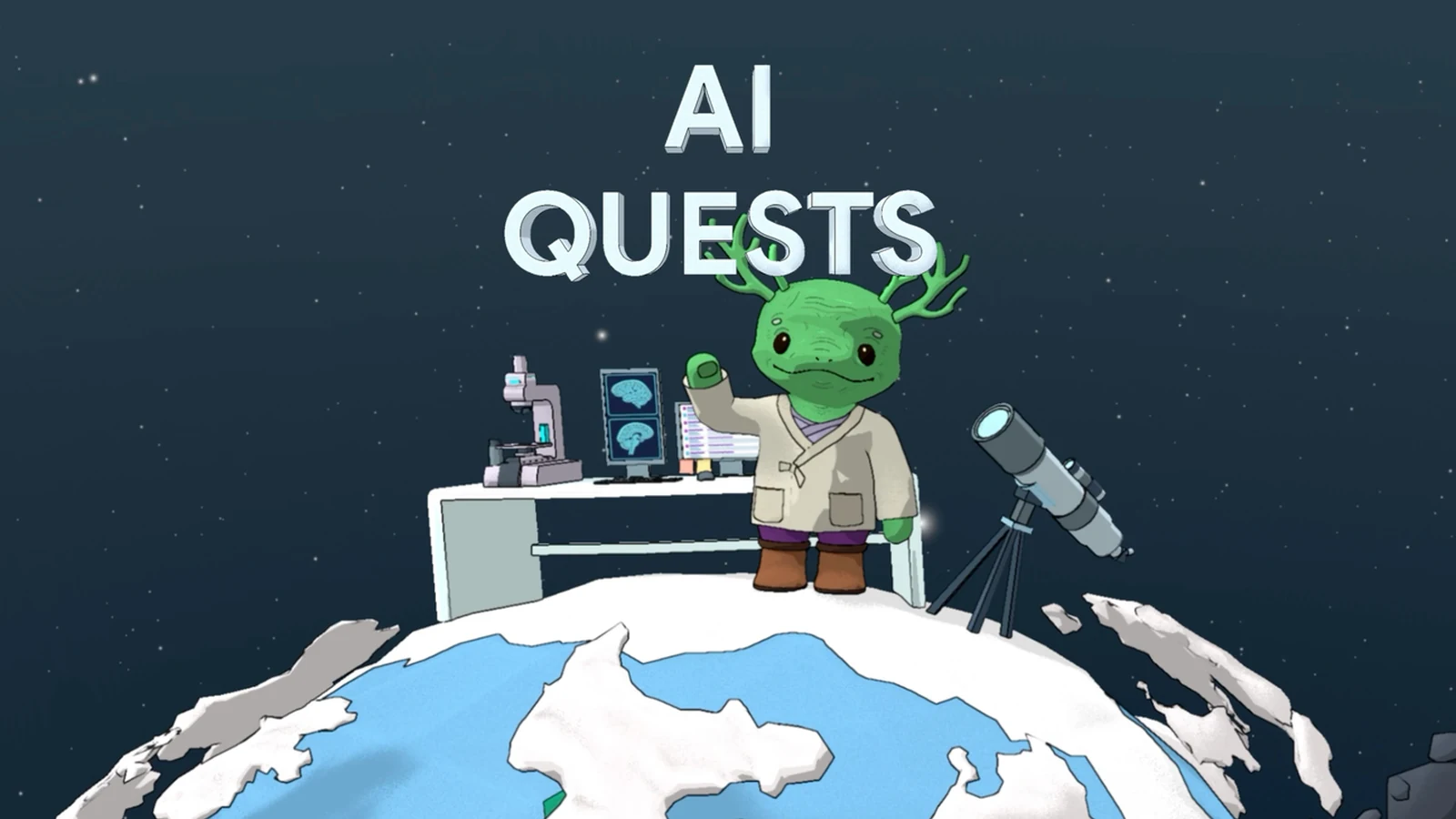
Google Research and the Stanford Accelerator for Learning have officially launched "Polar Peaks," marking the third installment in the ongoing AI Quests series. Created to educate students on how AI works and how to use it responsibly, the interactive program invites participants ages 11 to 14 to step into the shoes of researchers tackling major scientific challenges. The broader initiative offers lessons that have already seen widespread adoption, with more than 400,000 quests completed to date across translations in 10 languages.
The latest offering builds on earlier entries in the series. While previous quests explored topics like flood forecasting and eye disease detection—inspired by the Flood Forecasting initiative and predictive tools for diabetic retinopathy—Polar Peaks shifts focus entirely to the frontiers of neuroscience and brain mapping.
Neuroscience and Classroom Application
In Polar Peaks, students act as researchers guided by in-game mentors. Their core mission is to scan and map neurons in the brain to understand a game character's memory loss. Throughout the journey, participants complete practical tasks such as data cleaning and model testing, which emphasize the vital role of human oversight and critical thinking in modern technology.
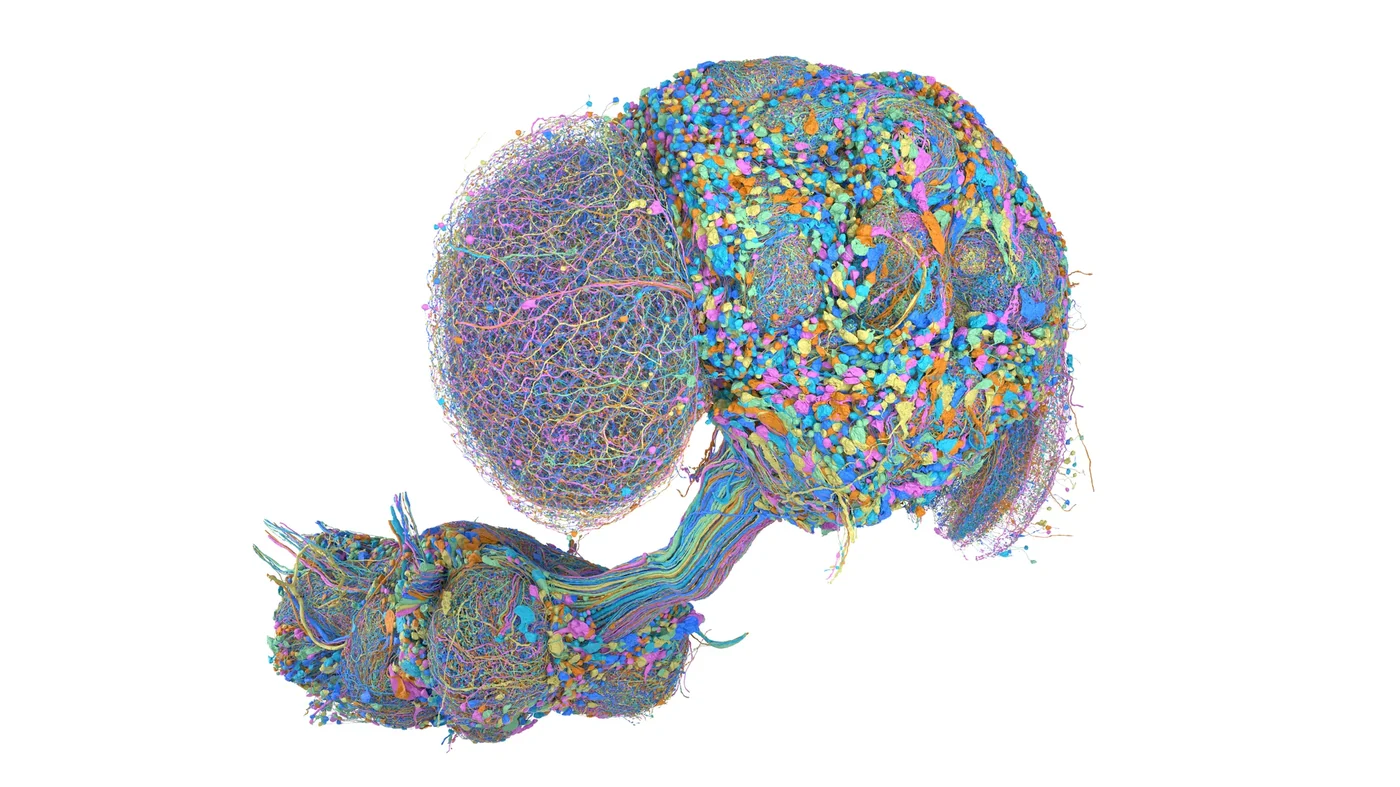
The educational content draws inspiration from a decade of work in connectomics, which is the scientific study of mapping neural networks. Upon finishing the quest, students hear directly from researchers involved in real-world breakthroughs, including the recent mapping of a complete fruit fly brain.
Teacher Support and Training Modules
To help educators seamlessly integrate the curriculum into existing classrooms, Google is rolling out dedicated teacher training modules within the Google AI Educator Series. These modules are designed to give teachers the tools they need to reinforce key AI literacy concepts and lead classroom discussions. While training resources for the first two quests are already accessible online, the specific training module for Polar Peaks is scheduled to follow next month.
Educators looking to incorporate these interactive lessons can find additional resources and program details through Google AI, which provides comprehensive guides on teaching students how AI functions and how it can be applied responsibly.
Recognized Educational Impact
The educational framework behind the program has already garnered significant industry recognition. Earlier this year, the initiative received a 2026 Webby Award for AI Education, Learning & Training, alongside the Best Global K–12 Learning Solution honor at the ETIH Innovation Awards. Organizers plan to continue collaborating with educators and partners to expand the reach of the quests into more classrooms throughout the ongoing school year.
Sources
- Google AIOur newest AI Quest: Mapping the human brain
Continue chronologically


Related entity coverage
Related stories
Google Unveils Gemini 4 Carbon AI Model
Google has released its new Gemini 4 Carbon AI model, topping intelligence rankings and leading benchmarks in hallucination resistance.
Google Dismantles XCPE Botnet of 1.3 Million Android Devices
Google has dismantled the 1.3 million-strong XCPE botnet created by Videostrong Technology, banning the OEM from preloading Google apps.

Google Confirms Googlebook Detachables Arriving Soon
Google has announced that Googlebook detachables will soon join clamshells and convertibles as the next hardware form factor.
Google, OpenAI, Anthropic Join New Scraping Controls
Google, OpenAI, Anthropic, and Microsoft pledge to support a new common robots.txt signal to block web scraping for generative AI training.