Meta Releases Muse Wonder and Muse Wonder Full Frontier Models
Meta has introduced its first-ever frontier models, Muse Wonder and Muse Wonder Full, aiming to advance personal superintelligence with enhanced memory and coding capabilities.
 Radwan AbdulhadiEditor and technology writer
Introduction to Meta's First Frontier Models
Meta's Superintelligence Lab released <a href="https://research.meta.ai/blog/muse-wonder">a pair of new state-of-the-art models</a> on Monday, introducing Muse Wonder and Muse Wonder Full as the company's inaugural venture into frontier models. While the earlier Muse Spark model was designed to be lightweight and perform at low latency, the new Wonder models are larger and built to deliver higher benchmark scores and stronger results on complex tasks such as coding.
According to Meta's testing as outlined in <a href="https://research.meta.ai/static/muse-wonder-model-card">the model card</a>, Wonder and Wonder Full attain benchmark scores comparable to Fable 5.1 and GPT-6 Astra. Meta describes the launch in its blog post as the next step on its scaling ladder and a major leap toward personal superintelligence.
Pricing, Availability, and Integration
The scale of the new models is reflected in their pricing structure. Accessed through the Meta Model API, Wonder costs $4 per million input tokens and $20 per million output tokens, placing it at a cost level roughly equivalent to GPT-6 Sol or Opus 5.5. Meanwhile, Muse Wonder Full is subject to a different distribution model, remaining exclusively available to Muse Code subscribers without being served through the API.
Both models are integrated to power the <a href="https://techcrunch.com/2026/09/23/everything-new-coming-to-metas-ai-agent-muse/">Muse agent</a>. This follows Meta's ongoing development of personal assistants capable of executing tasks over extended periods, supported by features designed to enhance user experience.
Active Memory and MemoryBench Evaluation
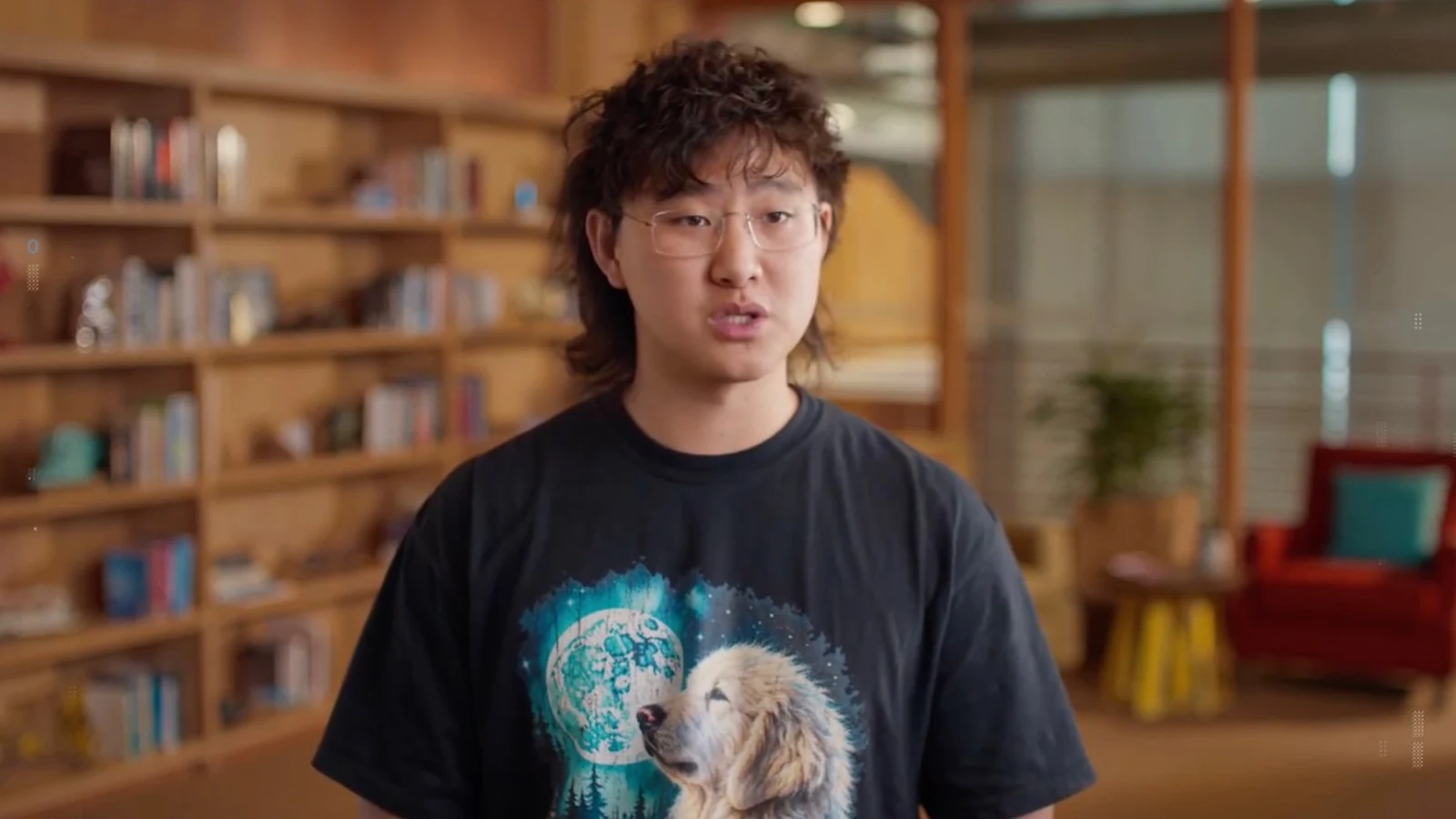
Meta has placed particular emphasis on the new models' ability to retain and synthesize user information over days, weeks, months, and beyond—a property the company refers to as "active memory." Research scientist Kavya Kopparapu noted in a launch video the immense effort dedicated to ensuring the model remembers important user details over time.
To demonstrate recall improvements, Meta highlighted <a href="https://arxiv.org/abs/2510.17281">the MemoryBench benchmark</a>, which evaluates continual learning and memory construction frameworks. Company testing indicates that Muse Wonder scores higher on MemoryBench than competing models like Fable, Opus, or Astra.
Development Background and Infrastructure
The release of Muse Wonder marks Meta's first frontier model deployment since Scale AI founder Alexandr Wang restructured the company's AI efforts <a href="https://www.nytimes.com/2025/08/19/technology/mark-zuckerberg-meta-ai.html">in August of last year</a>. Since that reorganization, Meta has introduced the lightweight Muse Spark model and the Muse agent, previously avoiding the pace of state-of-the-art releases characteristic of rivals like OpenAI and Anthropic.
Infrastructure data indicates that the models were trained at <a href="https://www.nbc4i.com/news/local-news/new-albany/meet-prometheus-worlds-highest-capacity-data-center-slated-to-open-in-ohio-in-2026/">Prometheus data center in central Ohio</a>, which officially came online earlier this year.
Sources
- TechCrunchMeta releases its first frontier model, Muse Wonder
Continue chronologically

Related entity coverage
Related stories
Meta Launches Muse Wonder AI Models to Rival the Best
Meta has released its largest AI models, Muse Wonder and Muse Wonder Full, putting the company back at the forefront of global artificial intelligence development.
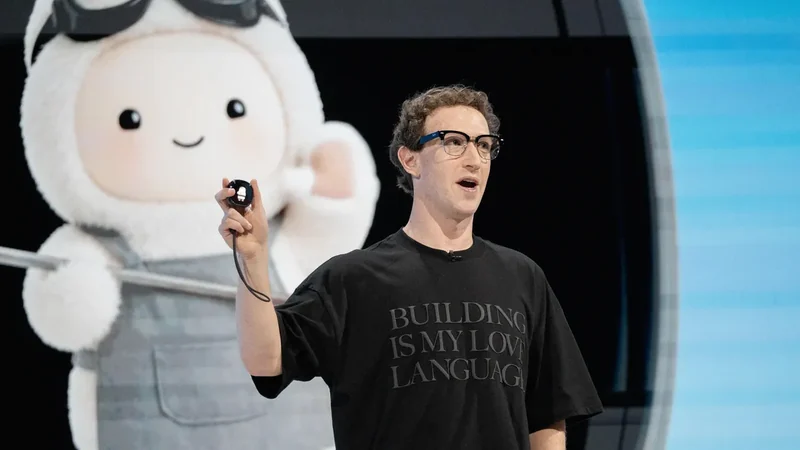
Meta Plans New Non-Voting Stock to Fund Broad AI Buildout
Meta is creating a new class of non-voting stock distributed through a dividend to help fund its broad artificial intelligence investments.

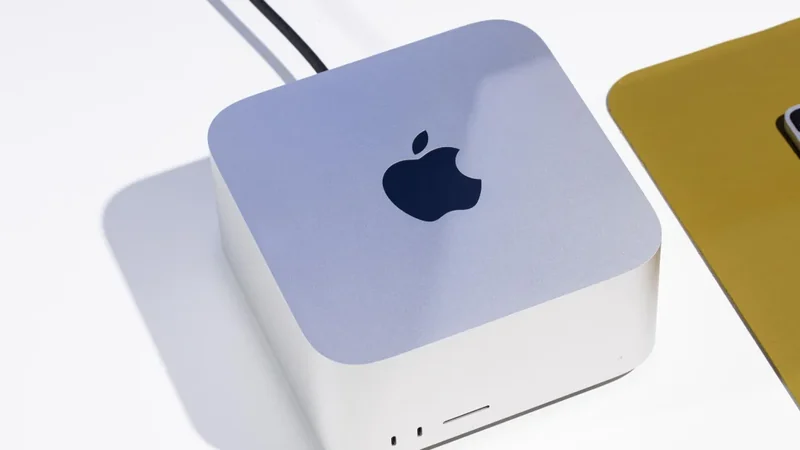
Meta and Apple Team Up for Muse AI Launch on Mac
Meta and Apple collaborate on the new Muse Spark Open AI model, enabling efficient execution on Mac hardware using the latest MLX framework.
Google and Meta Challenge OpenAI and Anthropic in AI Race
Google and Meta have unveiled powerful new frontier models, challenging Anthropic and OpenAI and completely reshaping the competitive AI landscape.