Microsoft AI Outperforms Doctors in Complex Medical Cases
A newly published study shows Microsoft's diagnostic AI system outperforming generalist physicians on complex simulated medical cases.
 Radwan AbdulhadiEditor and technology writer
Microsoft's Diagnostic AI System
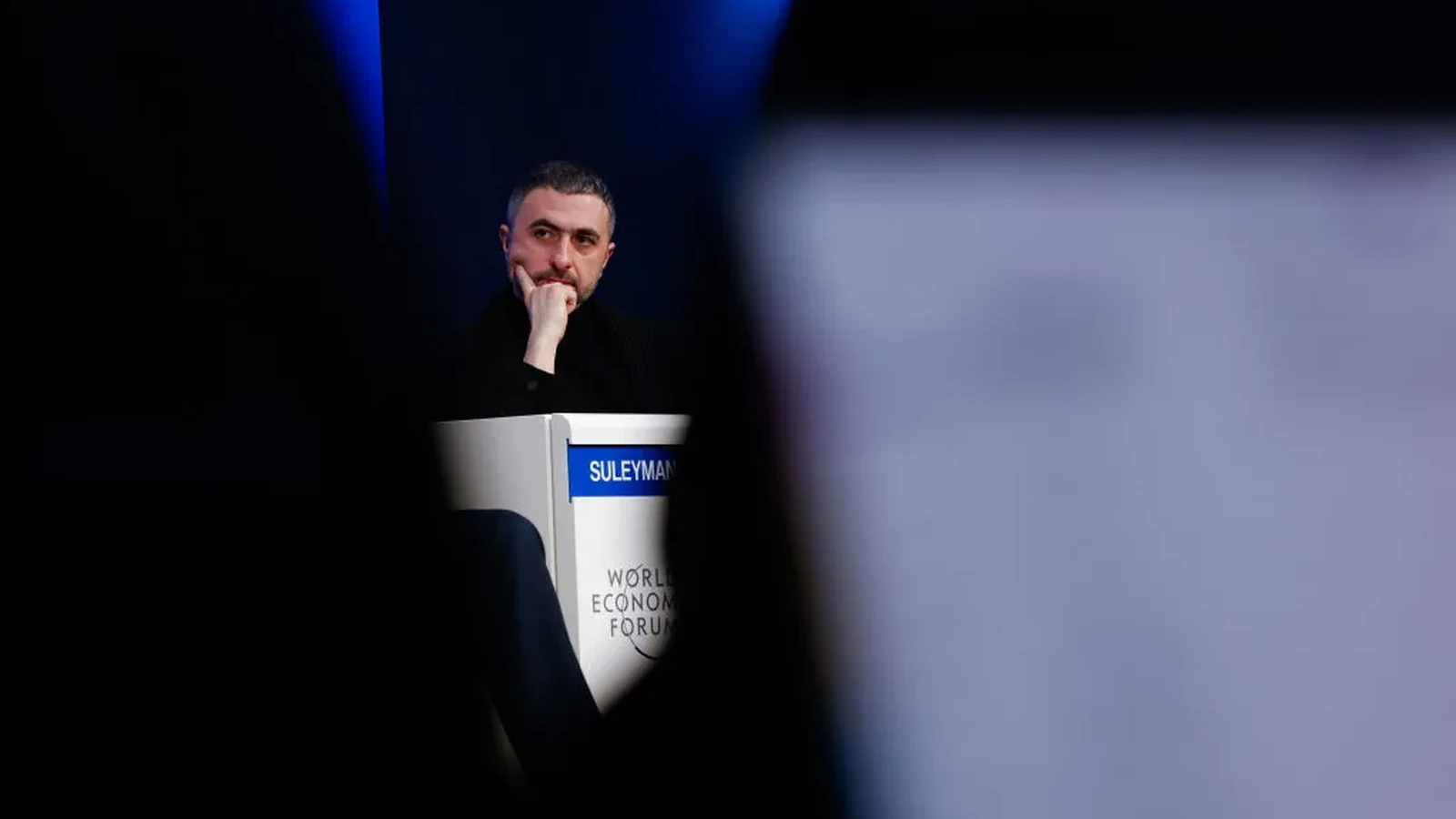
Microsoft's new diagnostic AI system correctly diagnosed complex medical cases in a simulation more than twice as often as generalist physicians, according to a study published Thursday in Science. Mustafa Suleyman, Microsoft AI’s CEO, called the result a step toward medical superintelligence.
The system, known as MAI-DxO or DxO for short, coordinates several artificial intelligence agents that act like a panel of doctors. These agents question a patient, order tests, and debate a diagnosis to arrive at a conclusion.
In a simulation using complex cases from the New England Journal of Medicine, the system was correct 83% of the time. Meanwhile, primary care doctors and general internists working individually with reference materials achieved a correct diagnosis rate of 36%.
Performance and Underlying Models
The study's data indicates that much of the performance improvement comes from powerful underlying AI models, with Microsoft's orchestration system adding additional gains on top.
Microsoft tested MAI-DxO using models from multiple companies including OpenAI, Google, Anthropic, Meta, and DeepSeek. Its highest accuracy results were achieved when paired with OpenAI’s GPT-5 and GPT-5.5 models.
Microsoft also measured DxO on cost efficiency alongside accuracy. While the orchestration tool provided noticeable boosts on complex cases and less capable models, the performance gap between weaker and stronger base models remained substantial.
Pursuing Medical Superintelligence
In publishing these results, Microsoft joins other major technology companies in claiming that advanced artificial intelligence can match or outperform human doctors on specialized tasks.
Mustafa Suleyman told TechCrunch that Microsoft is working with the Mayo Clinic to train a healthcare foundation model with a release planned for the following year. He believes this infrastructure will enable significant breakthroughs in clinical decision support.
Microsoft's broader vision focuses on building medical superintelligence, defined as the capacity to surpass contemporary human-led health systems in medical reasoning and coordination across the complete arc of care.
Real-World Hospital Evaluations
Moving beyond simulations, Microsoft has established a new partnership with Beth Israel Deaconess Medical Center in Boston to evaluate the clinical reasoning capabilities of DxO across real-world hospital settings.
During the evaluation, consenting patients will receive standard care while simultaneously engaging with the DxO system. Researchers will then compare the AI's recommendations against the assessments made by human physicians.
Company executives note that such real-world trials are crucial for gathering compelling evidence before deploying diagnostic AI systems at a larger scale across healthcare environments.
Sources
- TechCrunchMicrosoft’s Mustafa Suleyman says its AI outperforms doctors on hard cases as he chases ‘medical superintelligence’
Continue chronologically

Related entity coverage
Related stories
Microsoft Posts $10 Billion in OpenAI Revenue for Quarter
Microsoft reports $10 billion in revenue from OpenAI for the quarter ending September 30, underscoring the deep financial ties between the two firms.
OpenAI Launches Office Features to Challenge Microsoft
OpenAI expands into workplace software at DevDay, introducing ChatGPT features like Space, Pages, and collaborative slides to compete with Microsoft.
Unsealed Docs Reveal OpenAI and Microsoft’s 'Doom Loop'
Newly unsealed court documents reveal that OpenAI and Microsoft internally warned that their AI models would destroy the web's economic foundations.

Microsoft filings call AI scraping ‘largest theft’
Newly unsealed filings quote Microsoft and OpenAI executives warning that AI scraping threatened publishers and could undermine fair-use claims.