ShipStation Global Builds AI IT Help Desk on Bedrock
The engineering team at ShipStation Global developed Deckhand, an AI-powered IT help desk assistant integrated into Slack using Amazon Bedrock AgentCore to handle routine employee inquiries and streamline ticket management.
 Radwan AbdulhadiEditor and technology writer
Automating IT Support at Scale
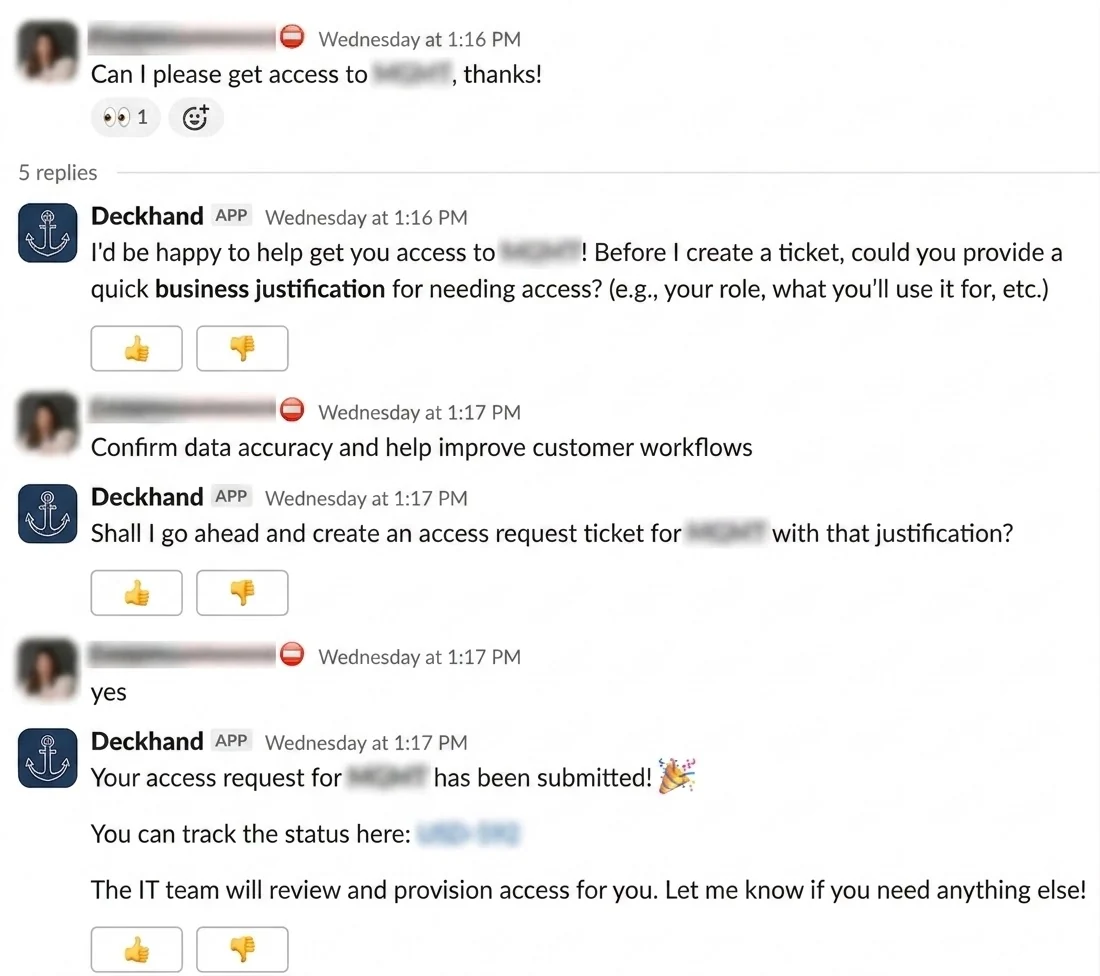
To reclaim time spent answering repetitive IT questions and processing routine service requests, the engineering team at ShipStation Global built an AI-powered assistant called Deckhand. Operating directly inside Slack, Deckhand utilizes Amazon Bedrock AgentCore to answer routine inquiries from a curated knowledge base, analyze error-message screenshots, and create or update Jira Service Management tickets.
According to ShipStation Global, repetitive questions previously consumed valuable time that structured self-service steps could handle. In the 12 months leading up to the launch of Deckhand, employees posted more than 1,500 help desk threads, with over a fifth of questions arriving outside of standard United States business hours due to a globally distributed workforce operating across the US, UK, Spain, Poland, Australia, and the Philippines.
Reducing Operational Friction
Chris Collins, Senior Director of IT at ShipStation Global, noted that the system was created because getting help should be straightforward rather than requiring users to decipher ticket forms or send emails into a void. The company views traditional tickets as indicators of operational friction rather than productivity. Deckhand resolves common questions immediately, or converts conversations into fully contextualized tickets with a single click.
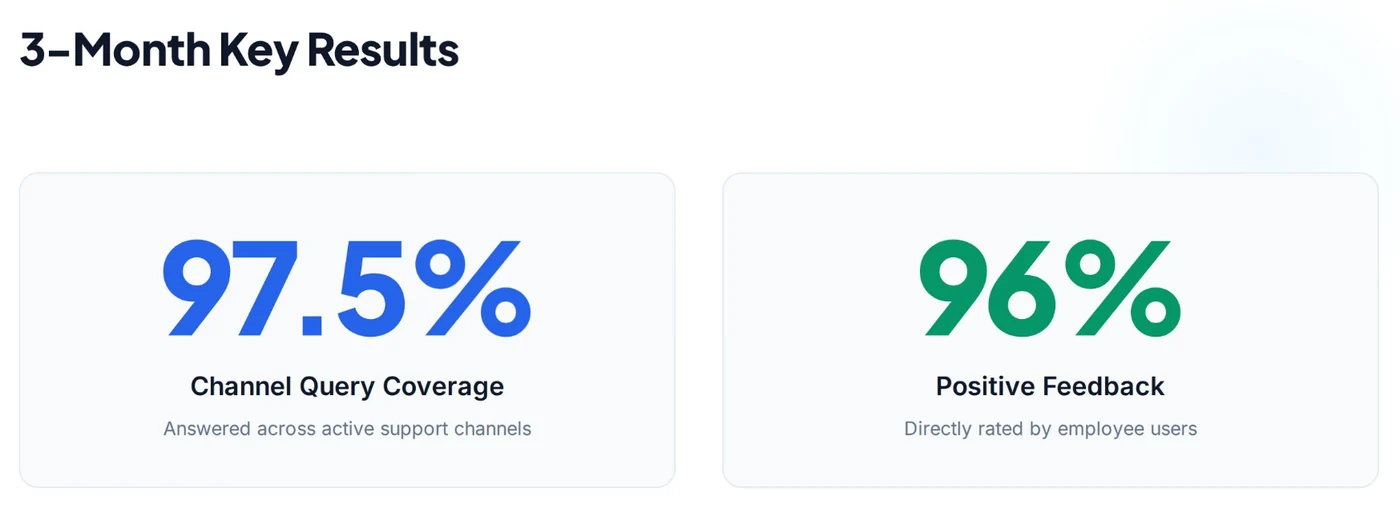
During its first three months of operation, the AI help desk agent achieved significant performance metrics, resolving 97.5 percent of incoming channel queries while securing a 96 percent positive feedback rating from employees.
Architecture and Core Components
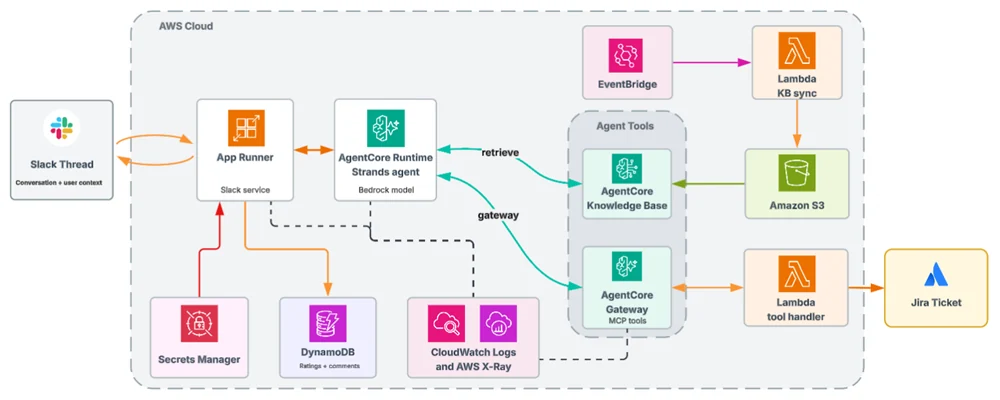
Deckhand operates inside Slack similarly to a human teammate, joining channels, reviewing conversations, and drawing relevant context from Slack user profiles to answer questions in place. The solution leverages Amazon Bedrock AgentCore runtime to host the agent in isolated sessions, eliminating the need to directly manage servers or container infrastructure.
The architecture of the application consists of four primary components. The Slack service utilizes a FastAPI and Slack Bolt application hosted on AWS App Runner to capture events and compile user-context payloads containing requester names, email addresses, time zones, and manager details.
Agent Service and Knowledge Integration
The agent service is built using a Strands agent deployed as a container on the AgentCore runtime, managing multi-turn tool loops powered by Anthropic's Claude models available through Amazon Bedrock. Tools and knowledge resources are tied together using an AWS Lambda function exposed through AgentCore Gateway.
Additionally, an Amazon Bedrock knowledge base indexes company content originating from Confluence platforms, internal intranets, Slack histories, and marketing pages, storing the underlying data securely in Amazon Simple Storage Service (Amazon S3). Operational feedback and monitoring are maintained through Amazon DynamoDB, AWS X-Ray, and Amazon CloudWatch.
Deployment and Implementation Requirements
Implementing the Deckhand architecture requires an active AWS account configured with access to Amazon Bedrock, AgentCore runtime, and AgentCore Gateway services. Administrators must also configure a Slack application with event subscriptions, a signing secret, and appropriate bot tokens.
Other prerequisites include an image registry such as Amazon Elastic Container Registry, an S3 bucket connected to a knowledge base, and properly scoped AWS Identity and Access Management roles along with AWS Secrets Manager credentials for third-party service authentication.
Sources
- AWS Machine Learning BlogHow ShipStation Global built an AI IT help desk on Amazon Bedrock AgentCore
Continue chronologically
Related entity coverage
Related stories
Amazon Bedrock AgentCore Automates PowerPoint Generation
Learn how the new Amazon Bedrock AgentCore AI agent system automates PowerPoint presentation creation from enterprise documents in under 90 seconds.
Build Multi-Agent Pipelines with Amazon Bedrock AgentCore
Learn how to build a multi-agent music production pipeline on Amazon Bedrock AgentCore Runtime Instances using shared sessions and GPU infrastructure.
Building Context-Aware AI Assistants with AgentCore and OpenClaw
Learn how to build context-aware personal AI assistants using OpenClaw and Amazon Bedrock AgentCore runtime with durable, structured memory.
AWS Details Multi-Account AI Agents with AgentCore and MCP
Learn how to build multi-account AI architectures using Amazon Bedrock AgentCore Gateway, MCP, and IAM for secure cross-account data queries.