
AI Startups Tackle Breast Cancer Care Gaps From Scan to Plan
Companies participating in the NVIDIA Inception program are developing artificial intelligence solutions designed to address critical bottlenecks across the breast cancer care continuum, from initial imaging to personalized treatment planning.
 Radwan AbdulhadiEditor and technology writer
Addressing Wide Gaps in Breast Cancer Care
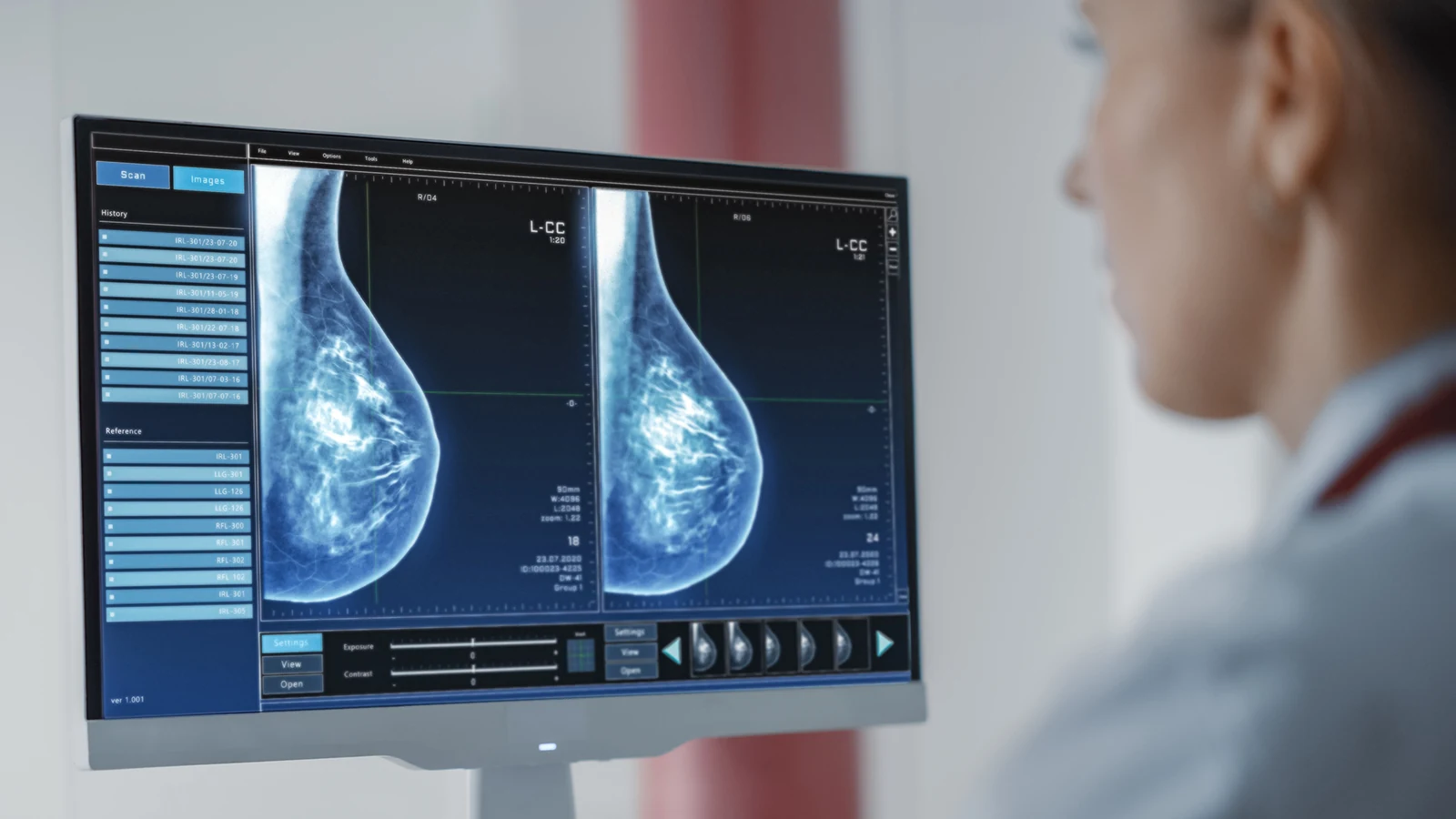
Breast cancer is recognized as the most commonly diagnosed cancer among American women, yet clinical workflows face severe challenges. Statistics indicate that a majority of women over age 40 skip recommended annual screenings, while radiologists face mounting pressure from reading more mammograms with fewer colleagues. Furthermore, diagnostic tests that inform post-diagnosis treatments can frequently take weeks to return results.
To alleviate these systemic friction points, participating ventures in the NVIDIA Inception program are building specialized applications supported by accelerated computing infrastructure. These technologies aim to streamline imaging acquisition, improve risk assessments, and accelerate treatment planning timelines.
Automated Imaging and Ultrasound Innovations
Practical barriers such as travel time and access often lead to missed diagnoses. To simplify imaging workflows, iSono Health created the FDA-cleared ATUSA platform. This wearable, automated 3D quantitative ultrasound system captures a standardized breast volume in approximately two minutes per breast, compared to traditional handheld ultrasound methods that can take up to 45 minutes.
The ATUSA system utilizes built-in AI trained on thousands of full-breast scans comprising more than 1.5 million ultrasound frames. By leveraging GPU acceleration and open source medical imaging tools, the platform produces 3D scans that the company reports are 28% more sensitive than conventional handheld 2D ultrasounds, while minimizing operator errors and variability.
According to iSono Health CEO Neda Razavi, making scans more accessible is only the initial breakthrough. The long-term vision focuses on helping clinicians visualize tissue conditions, evaluate changes over time, and make more informed decisions. The company currently has a multicenter clinical study involving 3,200 patients underway to further validate the platform.
Mammography Screening and Risk Assessment
Another participating venture, Whiterabbit.ai, focuses on AI technology designed to support breast cancer screening programs. Its FDA-cleared WRDensity software automatically evaluates breast density from standard mammograms and has been applied in the care of hundreds of thousands of patients.
Whiterabbit has also introduced WRRisk, a clinical decision support tool intended to estimate a patient's long-term risk of developing the disease. Jason Su, cofounder and chief technology officer of Whiterabbit.ai, noted that breast radiologists frequently confront a challenging screening environment, and the goal of the technology is to act as an effective clinical sidekick.
Predictive Intelligence for Treatment Decisions
When a patient receives a breast cancer diagnosis, subsequent therapeutic decisions depend heavily on predicting how the tumor will respond to specific treatments. Conventional predictions often rely on tissue biopsies requiring a multi-week wait. Ataraxis AI addresses this bottleneck by building clinical intelligence models that predict patient outcomes and therapy responses using existing digital pathology slides.
Joseph Cappadona of Ataraxis AI explained that while historical tools relied on static models trained decades ago, the company's newer models continuously adapt as more clinical trial data becomes available. These models analyze digital slides and clinical variables to estimate presurgical chemotherapy response and five-year recurrence risks across multiple validated medical institutions.
Advanced 3D Tumor Visualization
Complementing diagnostic and predictive software, SimBioSys develops precision medicine technology that constructs accurate 3D models of breast tumors, blood vessels, and soft tissue. These visualizations provide critical insights to assist surgeons and refine treatment strategies.
Stacey Stevens, CEO of SimBioSys, emphasized during a recent panel discussion that the platform integrates multimodal inputs—including imaging exams, pathology results, and genomic testing—using artificial intelligence to generate insights that extend far beyond traditional standalone diagnostics.
Sources
- NVIDIA BlogFrom Scan to Treatment Plan, AI Helps Close Breast Cancer’s Deadliest Gaps
Continue chronologically


Related entity coverage
Related stories
Former OpenAI Safety Lead Exits, Calling Culture Broken
David Robinson leaves OpenAI after more than three years, citing a reactive safety culture, a failed kill switch, and a July HuggingFace hack.
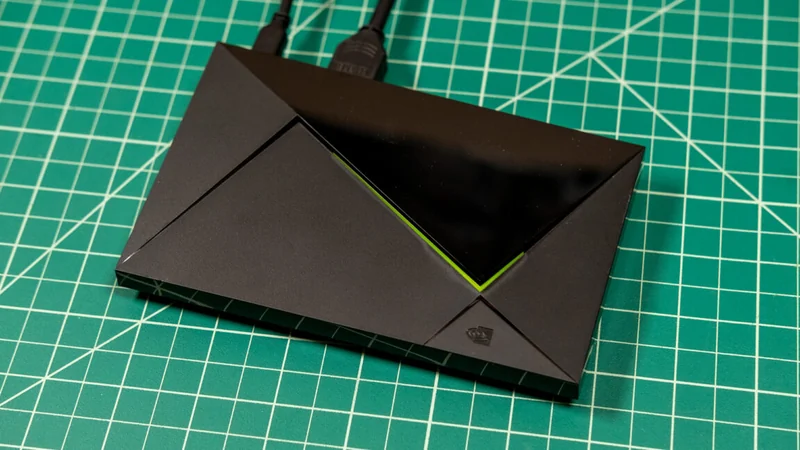
Nvidia Shield TV Pro Price Jikes by $100 Due to AI
The Nvidia Shield TV Pro streaming box is now $100 more expensive, with Nvidia citing substantial component cost increases across the industry.
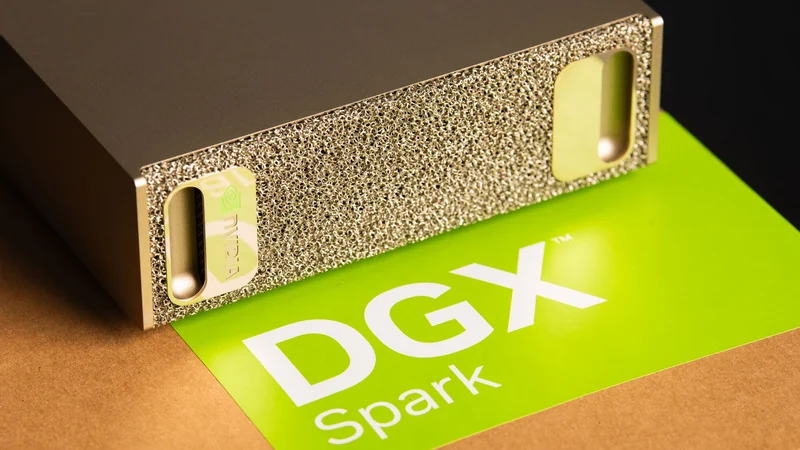
Nvidia Launches 64GB DGX Spark Starting at $4,999
Nvidia introduces a more affordable 64GB version of its DGX Spark local AI workstation, featuring the GB10 Superchip and a starting price of $4,999.
Tom's Hardware Hosts AI Chip Design Week
Tom's Hardware Premium presents AI Chip Design Week featuring an OpenAI interview, chipmaking insights, and agent safety updates.