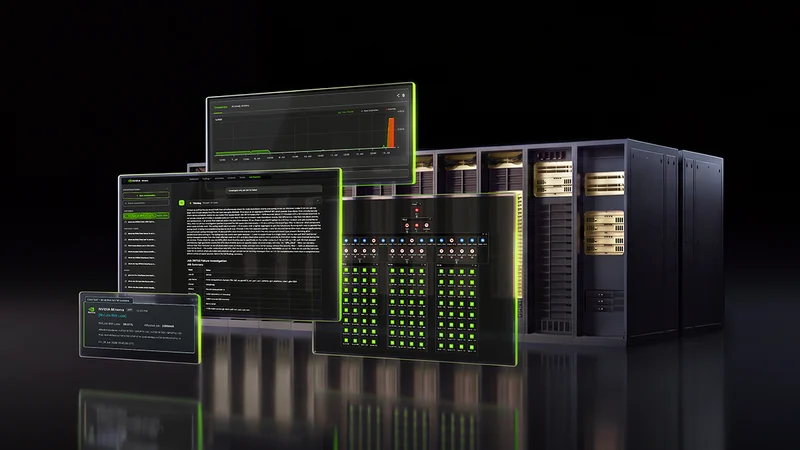
Companies Use NVIDIA DSX to Tackle AI Power Bottleneck
As power challenges and infrastructure backlogs constrain modern artificial intelligence deployment, global companies are turning to integrated platforms to optimize energy systems from the substation to the rack.
 Radwan AbdulhadiEditor and technology writer
Addressing the Infrastructure Power Bottleneck
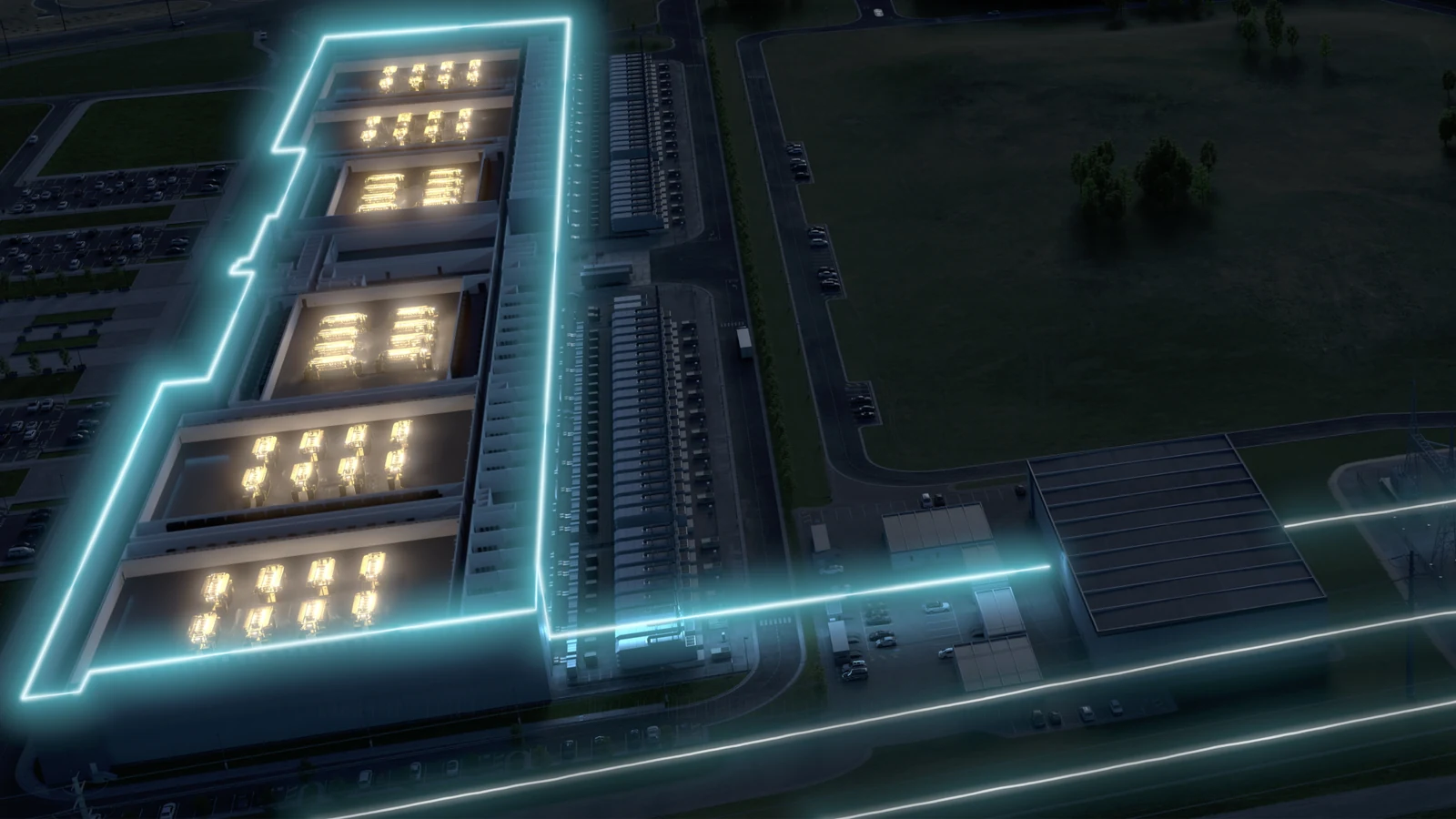
Companies around the world are building on the NVIDIA DSX AI Factory Platform to plan, simulate and run the grid and the AI factory as one system, from the substation to the rack. Their adoption of the platform responds to an acute problem as power emerges as the single biggest bottleneck in modern digital infrastructure. Industry data indicates that more than $300 billion in equipment is currently backlogged, while over 200 gigawatts of projects wait in U.S. interconnection queues.
The root cause of this infrastructure bottleneck is historically siloed systems. For years, the power grid, the physical facility, and the high-performance compute inside have been designed independently from one another, creating optimal conditions for operational delays, financial risks, and stranded capacity. To help resolve these challenges, the platform brings these disconnected systems together. Further details are available from Read All NVIDIA in Europe Announcements in the original source material.
Core Capabilities of the DSX Framework
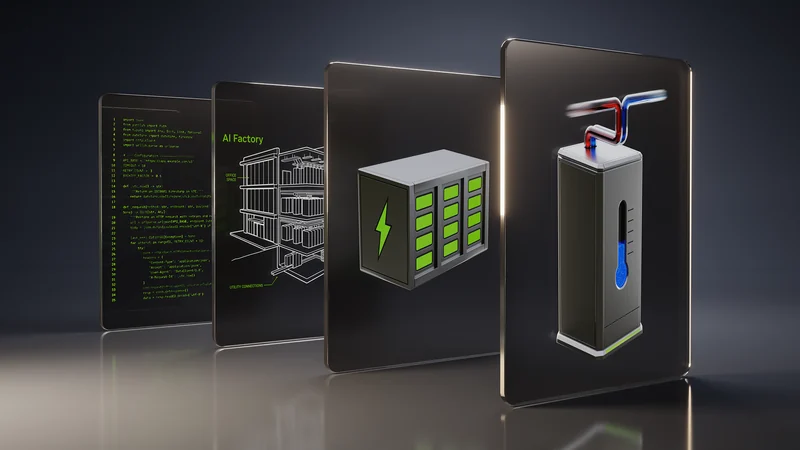
To bridge the gap between energy delivery and computing needs, the platform incorporates specialized tools. Engineers can utilize DSX Sim and SimReady assets from leading energy manufacturers to simulate the grid, substation, and AI factory simultaneously. This allows teams to validate generators, switchgear, power systems, and cooling infrastructure long before breaking ground.
Additionally, the framework features capabilities designed to dynamically balance loads. For instance, NVIDIA DSX Flex syncs AI factory demand with actual grid conditions and onsite generation, effectively transforming static power loads into flexible grid assets. Furthermore, advanced management systems work to squeeze more compute performance from every single watt.
Industry Collaboration and Reference Designs
Energy and engineering leaders are actively expanding their portfolios to integrate seamlessly with these systems. GE Vernova is deploying its grid-to-facility and rack power expertise to complement the platform, enabling customers to transform power constraints into competitive advantages while maximizing compute output and grid reliability. Meanwhile, Hitachi Energy has qualified its battery energy storage system as NVIDIA DSX Ready, helping customers identify power infrastructure that meets specific architectural requirements.
Schneider Electric, together with AVEVA and ETAP, is advancing the ecosystem with validated power and cooling reference architectures. These tools incorporate an AI factory digital twin powered by visual simulation software to help organizations design, operate, and optimize data centers across their entire lifecycle.
Expanding Grid-Aware Architectures
Siemens Energy is expanding its collaboration with NVIDIA by developing a reference design for resilient, scalable, and grid-aware power infrastructure. This design aligns closely with requirements for upcoming hardware iterations like the NVIDIA Vera Rubin AI factory design. Siemens Energy is also evaluating technologies to enhance infrastructure monitoring and prevent unplanned outages.
Other technology firms are embedding the platform's components directly into their solutions. Phaidra integrated specific DSX modules into self-learning agents to optimize cooling and power allocation, delivering roughly 10% more compute within the same power envelope. Concurrently, Emerald AI integrated its software platform into DSX Flex to help utilities tap underused grid capacity, an approach modeled to unlock significant power potential on the existing U.S. grid.
Sources
- NVIDIA BlogHow Companies Are Using NVIDIA DSX to Break the Power Bottleneck
Continue chronologically

Related entity coverage
Related stories
Emerald AI, Google and NVIDIA Form Alliance for Flexible AI Data Centers
Emerald AI, Google and NVIDIA have launched an alliance focused on data centers that can adjust electricity use to support grid reliability and growth.
NVIDIA Launches DSX Ready Program for AI Infrastructure
NVIDIA introduces DSX Ready to help AI factory builders qualify power and cooling solutions, beginning with battery storage and cooling units.
NVIDIA AI Factories Maximize ROI Through Productivity and Durability
NVIDIA details how AI factories maximize return on investment by delivering high throughput, extending hardware useful life, and supporting diverse workloads.
NVIDIA Unveils Minerva for AI Factory Observability
NVIDIA has launched Minerva, an AIOps platform designed to deliver end-to-end observability and maximize uptime for large-scale AI factories.