GitHub Updates Pull Request Limits to Include Drafts
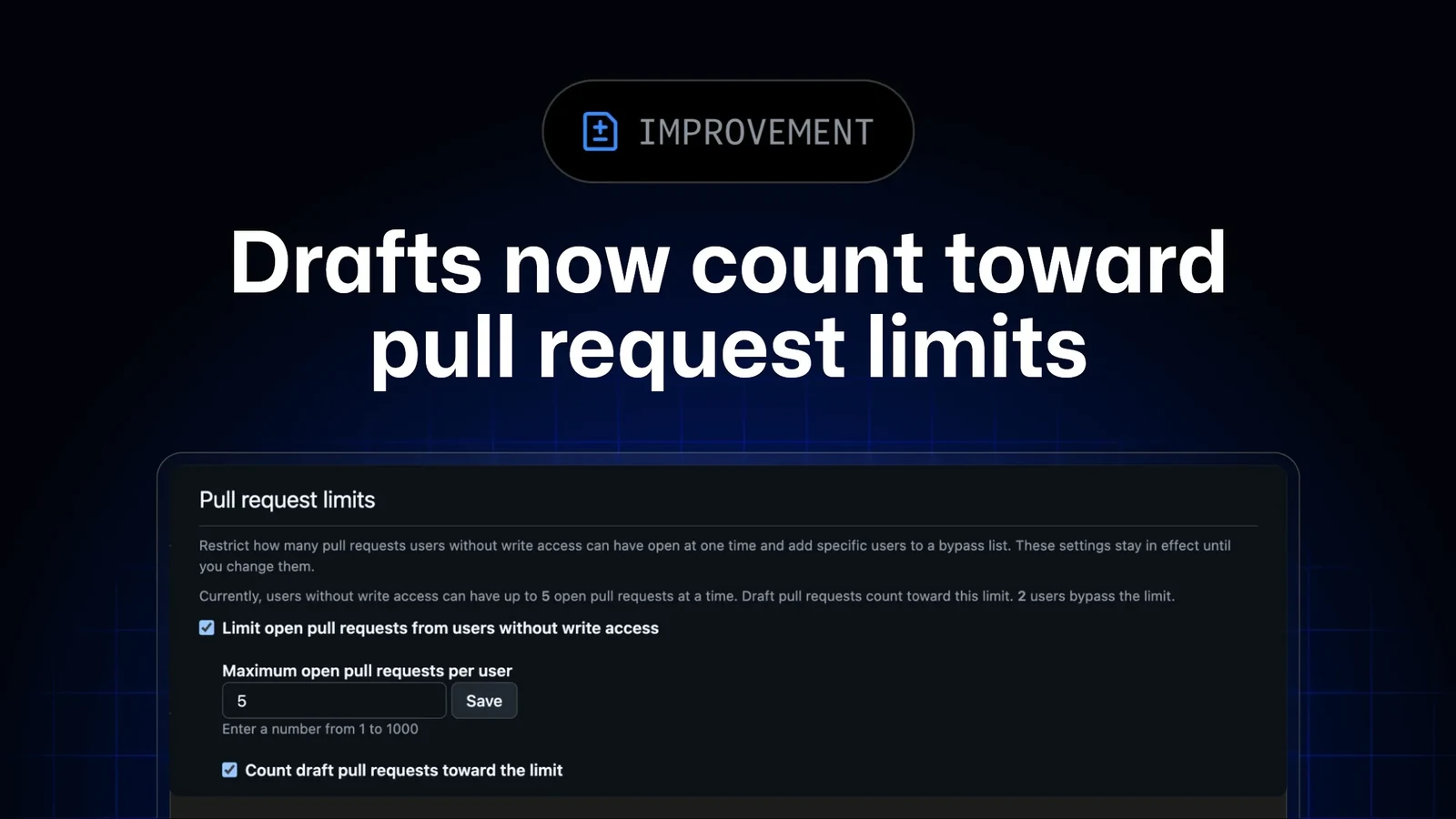
In response to growing repository management challenges, maintainers can now choose to count draft pull requests toward user limits to better curb repository spam and reduce unnecessary system noise.
 Radwan AbdulhadiEditor and technology writer
Addressing Low-Quality Contributions
Repository maintainers have increasingly encountered a rise in low-quality contributions within their projects, prompting a demand for better management utilities. According to the GitHub Changelog, maintainers now have access to enhanced administrative capabilities designed to tackle this specific operational challenge. Further details are available from GitHub Changelog in the original source material.
Managing an active open-source project or large corporate repository requires strict oversight over incoming code proposals. When maintainers lack proper structural tools, repositories can quickly become overwhelmed with unvetted submissions that demand manual review time and system resources.
The platform continues to roll out updates and features aimed at improving project workflows, building upon recent enhancements designed to streamline developer tasks and optimize overall repository maintenance across various teams.
The Evolution of Pull Request Limits
Previously, draft pull requests were exempted from standard user limits. This technical exemption meant that individual users could open an unlimited number of drafts, bypassing restrictions that had been carefully established for regular pull requests.
This policy loophole frequently led to unintended repository clutter. Users could bypass threshold checks simply by utilizing the draft state, resulting in administrative friction and unexpected overhead for project maintainers who expected automated limits to apply universally across all code submission vectors.
By modifying how these limits function, project administrators gain a much more comprehensive boundary for repository activity, ensuring that draft submissions are subject to the same systemic governance as finalized proposals.
Curbing Spam and Reducing CI Overhead
The decision to include draft pull requests within standard repository limits directly addresses several systemic issues associated with automated or low-effort repository spam. Unchecked draft creation previously triggered unnecessary background processes and administrative hurdles.
Chief among these technical concerns are continuous integration (CI) runs and alert notifications. When numerous draft pull requests are opened simultaneously, they can initiate heavy CI pipelines, consuming valuable computing minutes and generating excessive notification noise for project reviewers.
Counting draft pull requests toward user limits effectively closes the previous loophole, helping maintainers minimize unwanted notification traffic, conserve CI resources, and keep repository workspaces clean and organized.
Community Feedback and Implementation
As teams begin testing this configuration setting within their workflows, the platform encourages users and maintainers to share their practical experiences and insights regarding the feature's performance.
Developers can participate in public conversations, report edge cases, and discuss administrative strategies by leaving feedback directly within the designated Community discussion forum.
Gathering direct community feedback ensures that ongoing platform iterations continue to meet the complex organizational and technical needs of modern software engineering teams operating at scale.
Sources
- GitHub ChangelogDraft pull requests count toward pull request limits
Continue chronologically

Related entity coverage
Related stories
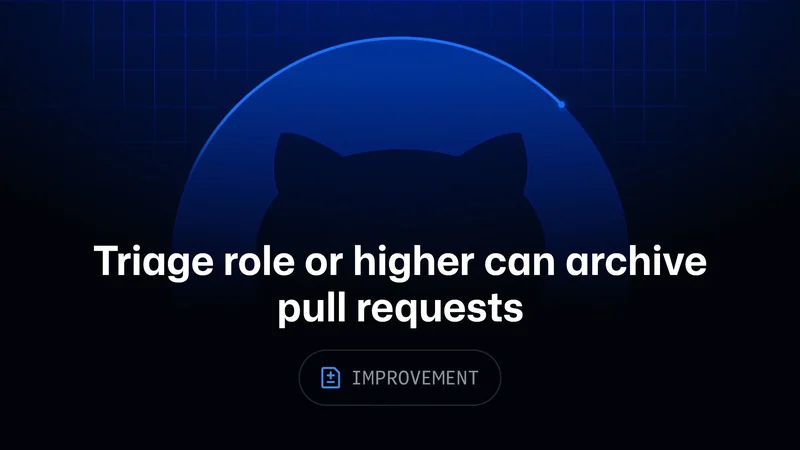
GitHub Triage Role Users Can Now Archive Pull Requests
GitHub now allows users with the triage role or higher to archive and unarchive pull requests, streamlining routine repository moderation workflows.
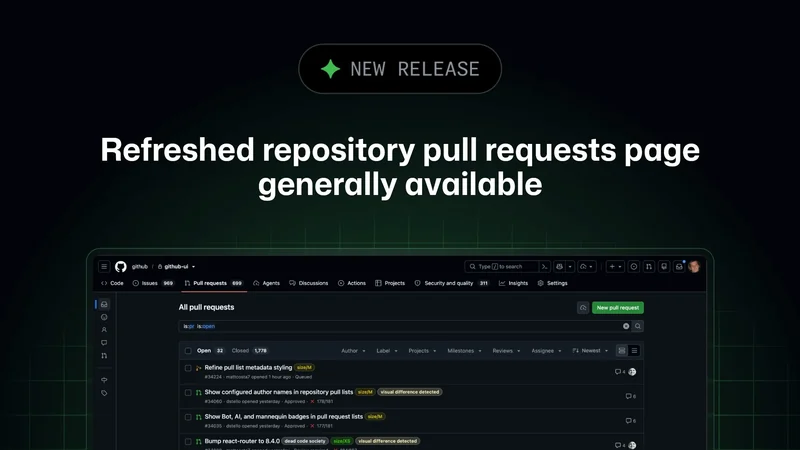
GitHub Releases Refreshed Repository Pull Requests Page
GitHub has officially launched its redesigned pull requests page, featuring improved search, advanced filtering, and enhanced management tools for developers.
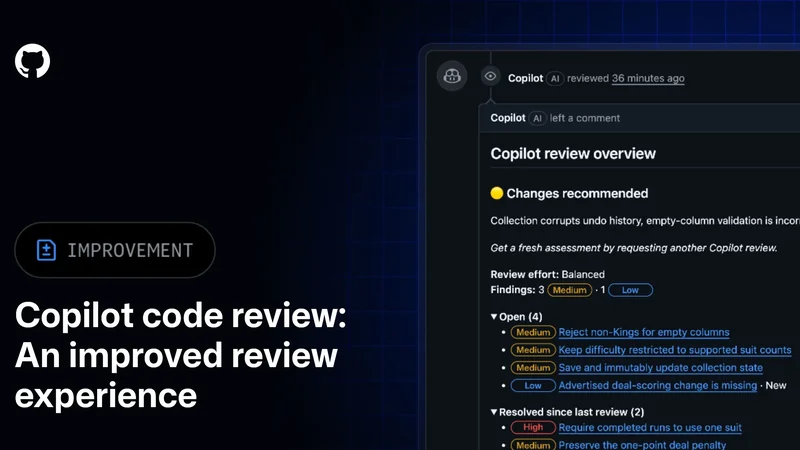
GitHub improves Copilot code review with new tools
GitHub has made Copilot code review generally available with clearer review tracking, smarter comment resolution and batch commit messages.
GitHub Intelligence Empowers AI Agents with Team Context
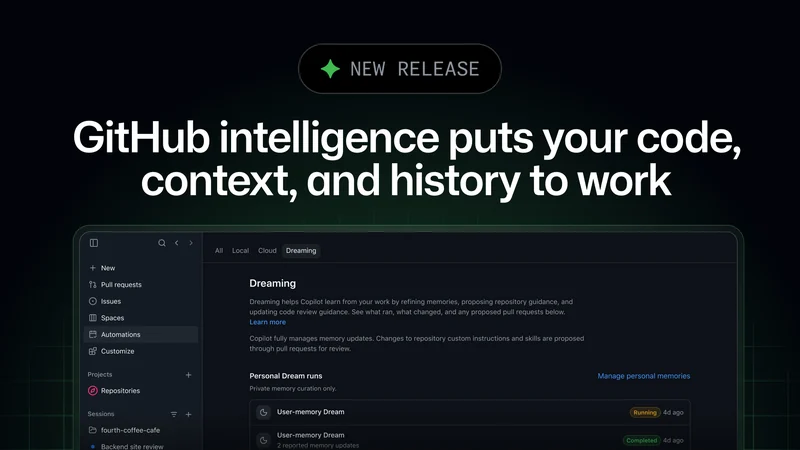
GitHub introduces GitHub intelligence, using code, context, and development history to help AI agents adapt to team workflows and conventions.