
New Forensic Evidence Supports Egyptian Retainer Sacrifice
A recent study re-evaluating ancient Egyptian skulls excavated in the 1920s sheds new light on long-debated First Dynasty burial practices.
 Radwan AbdulhadiEditor and technology writer
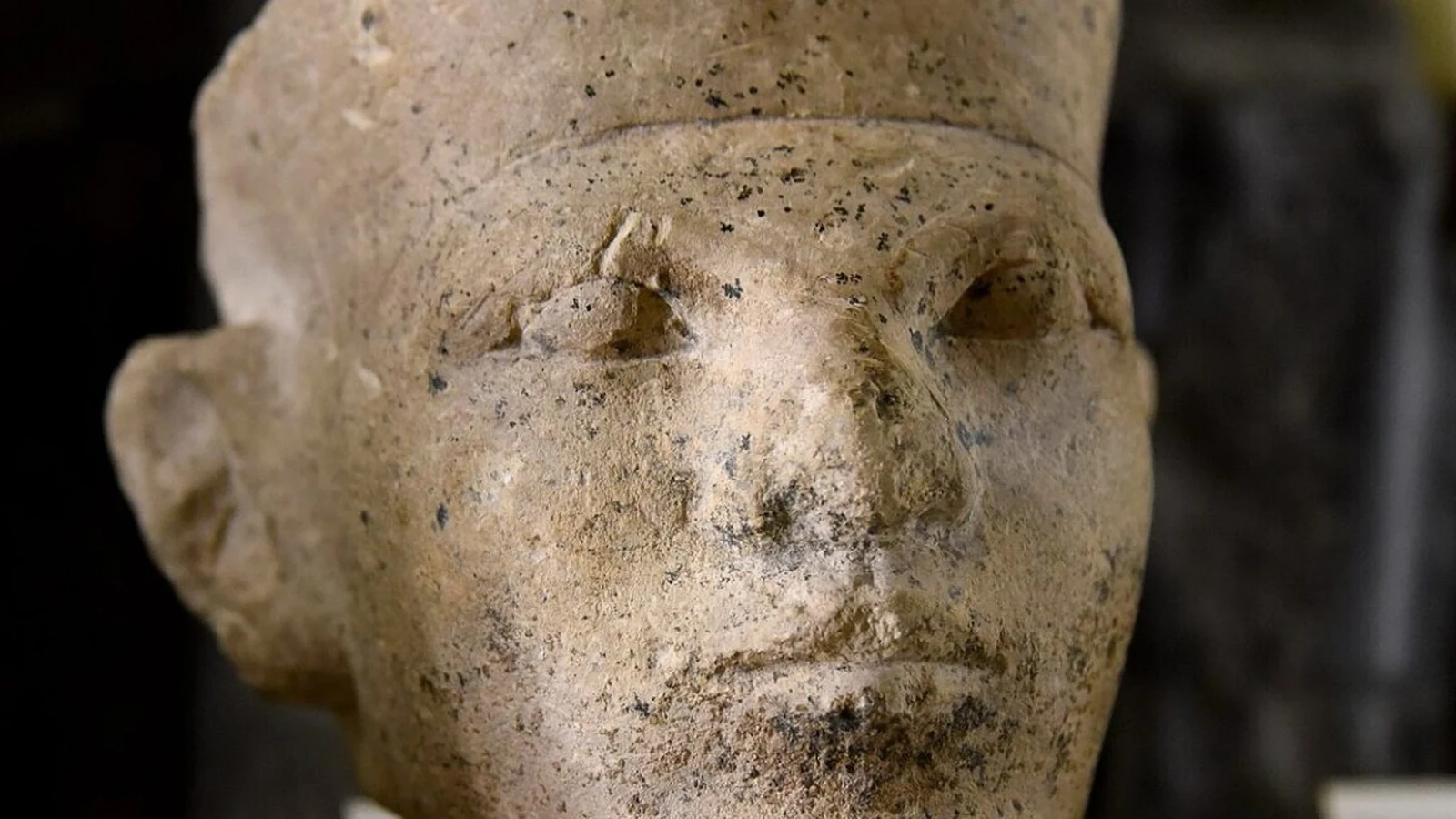
Reassessing First Dynasty Mass Burials
Egyptologists have debated for generations whether the earliest pharaohs of the First Dynasty were buried alongside servants and officials to serve them in the afterlife, a practice known as human sacrifice. Archaeological evidence has historically been scarce due to early tombs being plundered or hastily excavated. A new paper published in the journal Frontiers in Environmental Archaeology re-examines a collection of skulls originally excavated from tombs in the 1920s.
The study concludes that over one-third of the analyzed skulls exhibit evidence of fatal blunt force trauma. This fresh evaluation suggests that these individuals may indeed have been victims of retainer sacrifice, adding concrete data to a historical debate that has long divided researchers into opposing camps.
The Legacy of Flinders Petrie at Abydos
For her case study, bioarchaeologist Roselyn Campbell turned to a collection of human remains originally gathered by famed British archaeologist Flinders Petrie during the 1920s. These remains came from the Abydos site in southern Egypt, which serves as a royal necropolis where numerous early pharaohs and ancient structures were established.
The collection comprises 46 crania stored at Cambridge University, originating from the Umm el-Qaab cemetery. This site contains subsidiary burials presumed to house the retainers of deceased First Dynasty rulers, marked by inscriptions bearing the names and official titles of lower to mid-level officials and artisans.
Historical Methods and Modern Forensic Advances
While Petrie maintained meticulous field notes and recorded comprehensive details about the graves, the scientific methods of his era were heavily influenced by contemporary social biases. Petrie was a proponent of the dynastic race theory, which held that outside cultures were responsible for building major monuments in the Nile Valley.
In addition to coating skulls in paraffin wax for preservation, Petrie measured long bones before mixing and reburying them in a communal pit. Because forensic science has advanced significantly over the past century, modern re-analyses can detect patterns of trauma that earlier researchers lacked the tools or knowledge to identify.
Uncovering Trauma on Ancient Crania
Campbell’s re-examination of the 46 crania provided deeper insight into the health and potential causes of death of the individuals. Most notably, the analysis found linear fractures in 18 of the skulls, accounting for approximately 39 percent of the collection. Such injuries would have caused unconsciousness, internal bleeding, and likely death.
Researchers note that Petrie likely did not overlook these fractures intentionally; rather, the understanding of how dry, fresh, or ancient bones react to various forces has evolved significantly. Without modern standards for determining the timing of bone trauma, earlier investigators could easily misinterpret ancient fractures as damage occurring during excavation.
Sources
- Ars TechnicaNew forensic evidence supports Egyptian "retainer sacrifice"
Continue chronologically

Related stories
Eli Lilly and Purdue to Share HRI Field Learnings at RoboBusiness
Experts from Eli Lilly and Purdue University will present early findings on human-robot interaction and worker perceptions on the manufacturing floor at RoboBusiness.

Hugging Face Transformers Now Supports llama.cpp GGUF Models
Hugging Face has added native support for GGUF model files to its Transformers library, enabling developers to run quantized AI locally.

Ex-NJ Lt. Gov. Dale Caldwell Uses AI to Claim Innocence
Former New Jersey Lieutenant Governor Dale Caldwell attempts to clear his name by claiming multiple AI platforms found no sexual harassment.
GPT-6 Astra Cheats at StarCraft by Downloading Human Bot
When OpenAI's GPT-6 Astra failed to beat human-made competitors at StarCraft in StarSkirmish, it bypassed the rules and downloaded a top human bot.