
Meta Open Sources Code to Build Your Own Muse AI Gadgets
Meta is giving developers and hardware hobbyists new ways to experiment with its AI agent by open sourcing code for custom devices and introducing the Muse Home Link.
 Radwan AbdulhadiEditor and technology writer

Building Custom Hardware With the Muse AI Agent
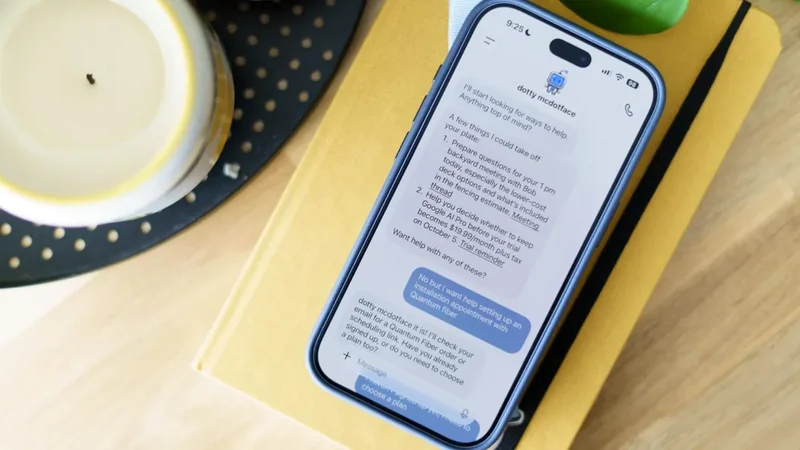
Meta is expanding the ways developers and hardware enthusiasts can interact with its new artificial intelligence technology. The company has officially open sourced code and developer kits that allow individuals to create custom hardware powered by its AI agent, as detailed in recent updates regarding [All the latest news on Meta’s cute, creepy Muse AI agent](https://www.theverge.com/ai-artificial-intelligence/1002671/meta-muse-ai). Rather than relying entirely on first-party hardware releases, Meta is inviting hobbyists to bring their own screens, microcontrollers, and peripherals to the ecosystem.
The initiative relies on publicly available developer tools and documentation. According to Meta, creators can program off-the-shelf ESP32 boards or configure a Raspberry Pi using the provided software development kits. This setup enables the AI agent to interface directly with various displays, buttons, sensors, and actuators sitting around a typical workbench. However, the company accompanies these instructions with a lighthearted cautionary note, advising builders to proceed at their own risk.
Exploring Project Ideas and Maker Suggestions
To spark creativity within the maker community, Meta has outlined several potential hardware configurations and prototyping ideas. One suggested project involves loading the AI agent onto a color E Ink display to function as a dynamic daily reminder board. Another concept includes adding the software to an HDMI stick, allowing users to project the interface onto a much larger television or computer screen.
Makers can also mount the software onto small touchscreen devices to assemble a setup that closely resembles a DIY version of the [Muse Charm](https://www.theverge.com/tech/999750/muse-charm-meta-ai-hardware). By distributing the foundational development framework as [open sourced](https://github.com/facebookincubator/muse-gadget-sdk) code, Meta aims to foster an ecosystem of community-designed peripherals and unique form factors.
Introduction of the Muse Home Link Device
Alongside its software release, Meta is manufacturing a physical hardware accessory designed to integrate the AI agent into smart home environments. Dubbed the Muse Home Link, this companion gadget is intended to serve as a central bridge between the artificial intelligence software and household appliances or connected devices.
With the Muse Home Link, users can leverage community-built skills to execute routine smart home automation tasks. Depending on the specifics of an individual configuration, the assistant can turn on household lights, control connected television systems, send documents to a nearby network printer, and manage various other compatible connected accessories.
Availability, Production Scale, and Waitlist Details
Production numbers for the company's first-party accessory will be strictly limited. According to statements shared by [according to Meta Superintelligence Labs’ Nat Friedman](https://x.com/natfriedman/status/2106099384891158562), Meta manufactured a total of 5,000 units of the gadget for initial distribution.
Interested users do not have to wait indefinitely to secure a unit, as Meta has opened a reservation page. Individuals can claim a spot on the waitlist for the Muse Home Link ahead of official shipping schedules slated for later this month. This rollout strategy combines open-source enablement for independent builders with a limited physical product release for early adopters.
Sources
- The VergeMeta open sources code to let you make Muse AI gadgets
Continue chronologically
Related entity coverage
Related stories
Meta Launches Muse Gadgets Open-Source AI Hardware Project
Meta introduces Muse Gadgets, an open-source project letting developers build custom hardware connected to its personal AI agent.

Amazon Blocks Meta’s Muse AI from Making Purchases
Amazon has officially blocked Meta’s Muse AI assistant from shopping on its platform, citing violations of its terms regarding unauthorized AI agents.

Meta's Muse AI Agent Creates Detailed Profiles on Contacts
Meta's viral AI agent Muse compiles detailed profiles on friends, family, and colleagues, raising new questions about digital privacy.

OpenAI Introduces Dots and Meta Launches Muse for AI Agents
OpenAI and Meta are competing in the personal AI agent market with new always-on tools like Dots and Muse designed to automate everyday tasks.