San Bernardino County Deploys Autonomous Fire Drones
The San Bernardino County Fire Protection District has acquired a fleet of five autonomous firefighting drones capable of delivering over 500 gallons of firefighting foam.
 Radwan AbdulhadiEditor and technology writer
San Bernardino County Adopts Autonomous Fire Drones
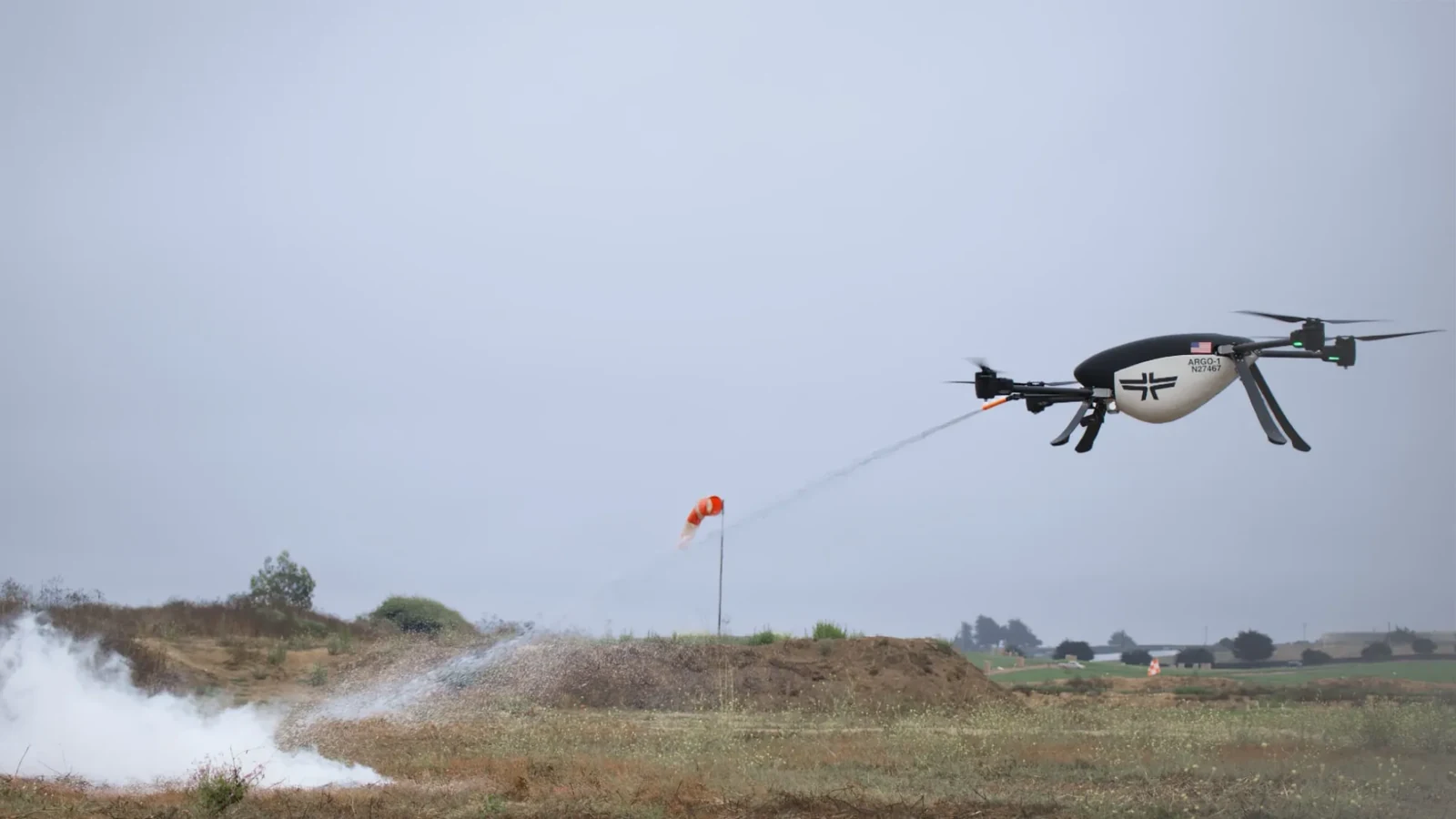
The San Bernardino County Fire Protection District has acquired a fleet of five autonomous drones designed to battle wildfires before they escalate. According to reports detailed by <a href="https://www.tomshardware.com/tech-industry/drones/california-county-secures-autonomous-firefighting-drones-with-500-gallon-foam-payload-to-deal-with-wildfires-five-drone-strike-team-can-be-controlled-by-a-single-operator-conduct-nighttime-ops-and-access-difficult-terrain">Tom's Hardware</a>, the agency is partnering with <a href="https://seneca.com/news/resilient-civilization/">Seneca</a> to deploy the aircraft alongside a mobile operations base and dedicated autonomy software.
As the largest county in both California and the United States by land area, San Bernardino is particularly susceptible to wildfires during the spring, summer, and early fall seasons. The deployment aims to help firefighters cover vast expanses of territory and address localized blazes before they grow into major emergencies threatening the county's two million residents.
Strike Team Capabilities and Foam Payload
Additional details regarding the acquisition were outlined via <a href="https://www.prnewswire.com/news-releases/san-bernardino-county-fire-becomes-californias-first-fire-agency-to-acquire-seneca-firefighting-drones-302921871.html">PR Newswire</a>, noting that the five-drone strike team is capable of delivering a combined payload of over 500 gallons of finished firefighting foam to a target area. The aircraft are engineered to launch from various locations and reach starting fires in under 10 minutes from the time of detection.
The integration of advanced autonomy software allows a single pilot to supervise multiple aircraft simultaneously. This force-multiplying capability is intended to streamline emergency response workflows while keeping human firefighting personnel out of high-risk situations.
Nighttime Operations and Difficult Terrain Access
Equipped with an onboard sensor suite, the drones support round-the-clock operations. This 24/7 functionality enables first responders to navigate and suppress fires in hard-to-reach terrain even during nighttime conditions when visibility is severely limited for standard aircraft.
The autonomous rapid initial attack system is scheduled to enter active service ahead of the 2027 wildfire season, marking a significant milestone for civilian drone integration in emergency management.
Ambitious Goals for Wildfire Prevention
San Bernardino County Fire Chief Dan Munsey emphasized the strategic importance of the new hardware, setting an ambitious target to stop 90% of fires before they exceed 10 square feet in size.
According to Chief Munsey, the aircraft provide a capability that has never before been possible through autonomous rapid initial attack. The department spent over a year working alongside the technology provider to tailor the system to regional needs, ensuring safer and more efficient containment of high-risk zones.
Sources
- Tom's HardwareCalifornia county deploys autonomous firefighting drones with 500-gallon foam payload to attack wildfires — five-drone strike team can be controlled by a single operator, conduct nighttime ops, and access difficult terrain
Continue chronologically

Related stories
Ukrainian Drones Strike Russian Finance Ministry Data Center
Ukrainian drone attacks have hit a Russian Ministry of Finance data center near Gorodets, threatening critical state registries and tax databases.
Ukraine Drones Strike Yandex AI Data Centers in Russia
Ukrainian drone strikes hit two Yandex data centers in Russia, disrupting AI chatbot services and popular digital applications across the country.
Military Explores Commercial 5G Networks for Drone Defense
Military and defense organizations are exploring the use of commercial 5G networks and AI agents to sense, track, and defend against enemy drones.
How a 3D Printer Can Save Money on 5 Hobbies
Discover how owning a 3D printer can help you save money on expensive hobbies like gardening, drone piloting, smart home tech, and photography.