How a 3D Printer Can Save Money on 5 Hobbies
While purchasing a personal 3D printer requires an initial investment, regularly engaging in specific hobbies can quickly turn that hardware into a money-saving tool.
 Radwan AbdulhadiEditor and technology writer
Understanding the Costs and Basics of 3D Printing
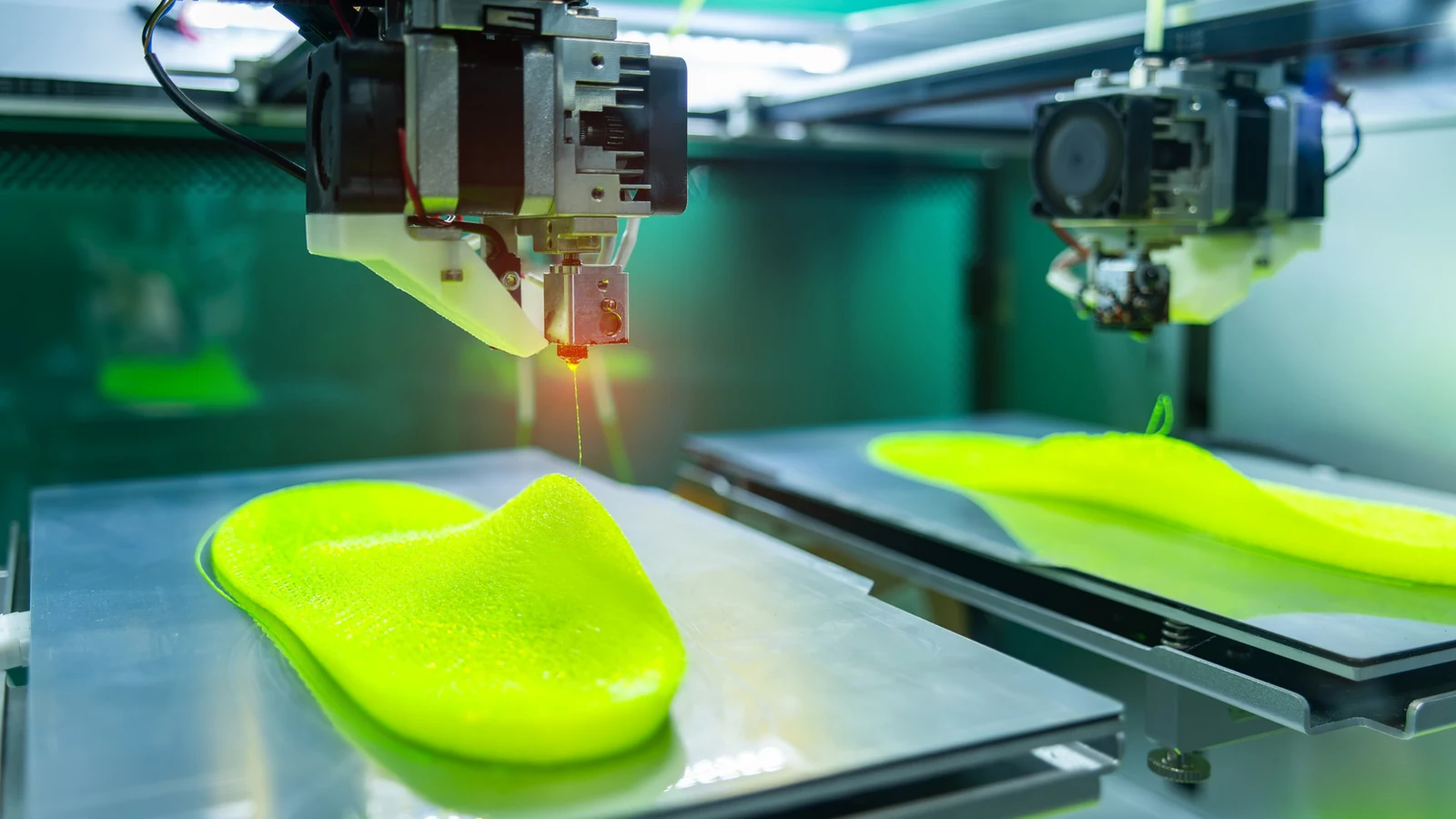
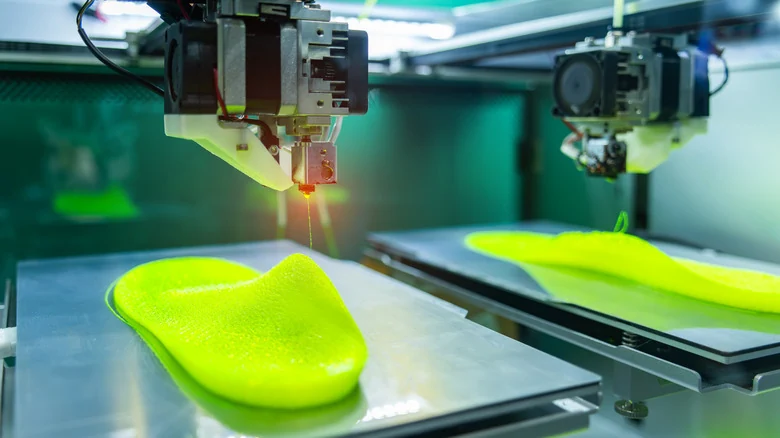
While NASA utilizes 3D printers on the International Space Station to manufacture tools and replacement parts on demand, everyday consumers on Earth can also leverage additive manufacturing to cut down on accessory costs. Entry-level hardware options can be found for around $170, whereas more advanced systems typically start at $700 or higher. Meanwhile, standard filament generally runs about $20 per kilogram. Before diving in, prospective buyers frequently evaluate whether does that make one worth buying for their specific lifestyle and frequency of use.
The majority of consumer-grade hardware relies on home printers use FDM (fused deposition modeling) technology, which pushes melted plastic filament through a heated nozzle. When calculating potential savings, users look at the combined cost of materials and machine hardware. Individuals who do not want to purchase a machine outright can also find access through local maker spaces, public libraries, or online printing services.
Saving Money on Drones and Remote-Controlled Vehicles
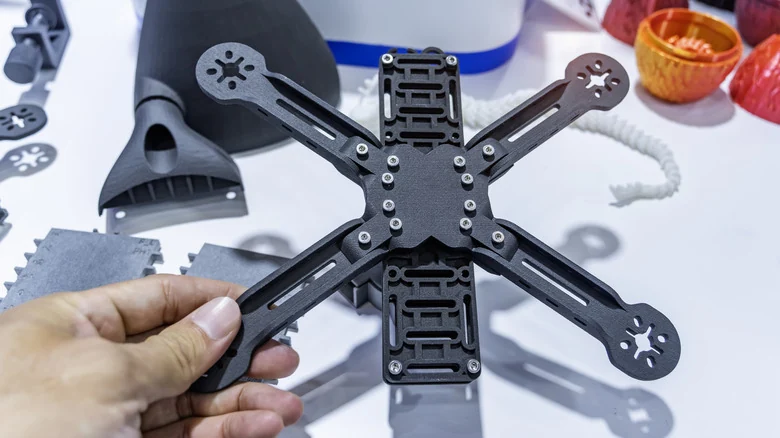
Drone and remote-controlled vehicle enthusiasts often face steep repair bills due to frequent crash-landing incidents. Specialized online 3D modeling platforms feature entire sections dedicated to replacement components. While pilots are strictly advised against printing flight-critical hardware like propellers until the strength and design are fully validated, other accessories such as camera mounts, antenna guards, and arm protectors are entirely suitable for production.
Because components often cost around $10 retail, printing replacement pieces on demand can allow the hardware to pay for itself over time. Furthermore, fabricating parts locally can prove significantly faster and cheaper than waiting for online deliveries.
Practical Solutions for Gardens and Garages
Mechanics and horticulturists frequently burn through replaceable components that can be expensive simply because they are highly specialized or sold in bulk quantities. A desktop fabrication setup serves as a convenient solution for these busy environments.
Gardeners can produce customized plant signage, plastic clips, planters, soil dibbers, and bird feeders. Meanwhile, garage operators can manufacture hard-to-find car interior components, broken knobs, tool organizers, wrenches, and multi-axis vises to save both money and frustration.
Smart Home Automation and Tech Projects
Home automation enthusiasts can use additive manufacturing to build practical cable management systems, hub shelving, wall mounts, and spare parts. The technology also provides an ideal outlet for creative smart home endeavors, such as encasing near-field communication (NFC) stickers in customized housings or button mechanisms.
Makers can design imaginative projects like a Tap-for-Wi-Fi sign for guest access or desktop robots. Users seeking alternative control interfaces can even print a chassis for a Home Assistant touch screen at a fraction of the cost associated with Apple's $299 HomeView display, or fabricate custom wall mounts for virtually any tablet.

Affordable Photography and Videography Accessories
Photography and video hobbyists frequently complain about high retail prices for easily misplaced items like lens caps, cable clamps, and battery holders. 3D printing removes this friction, allowing users to print universal lens caps for mere cents instead of paying steep brand-name markups.
Beyond basic replacements, creators can print mechanical V-lock battery plates, custom microphone mounts, lighting fixtures, selfie handles, and portable tripods. Creators can also tweak computer-aided design files to build single-use custom tools tailored for specific camera angles and unique shots.

Expanding Tabletop Gaming and Scale Modeling
Gamers, Dungeons & Dragons players, and model railroad enthusiasts can dramatically expand their fantasy setups by printing custom characters, monsters, buildings, trees, and terrain pieces. Platforms like MyMiniFactory host a vast trove of community-created models that support this thriving hobbyist trade.
Tabletop participants frequently print historically accurate uniformed troops and railway sidings for their layouts. While fine details often necessitate upgrading from standard filament to resin-based printers, these communities benefit greatly from having endless access to game pieces—meaning players may never lose track of their dice again.
Sources
- Engadget5 expensive hobbies where owning a 3D printer actually saves you money
Continue chronologically

Related entity coverage
Related stories
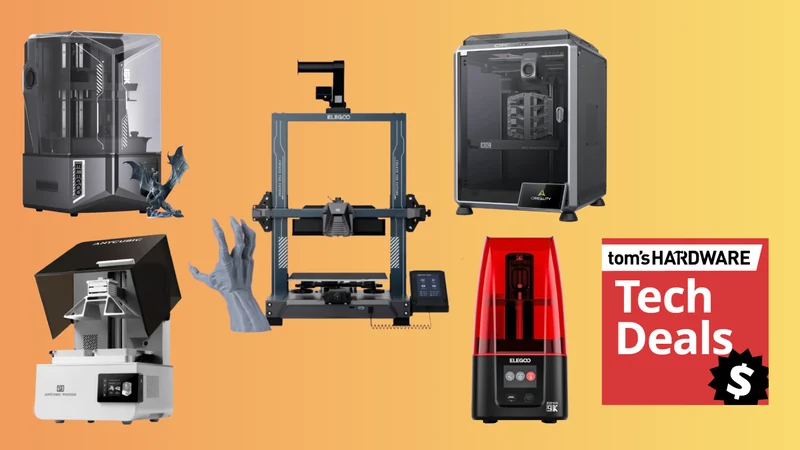
3D Printer Halloween Sales Feature Prices Starting at $199
Major 3D printer brands including Elegoo, Creality, and Prusa launch holiday weekend sales with hardware discounts and low starting prices.
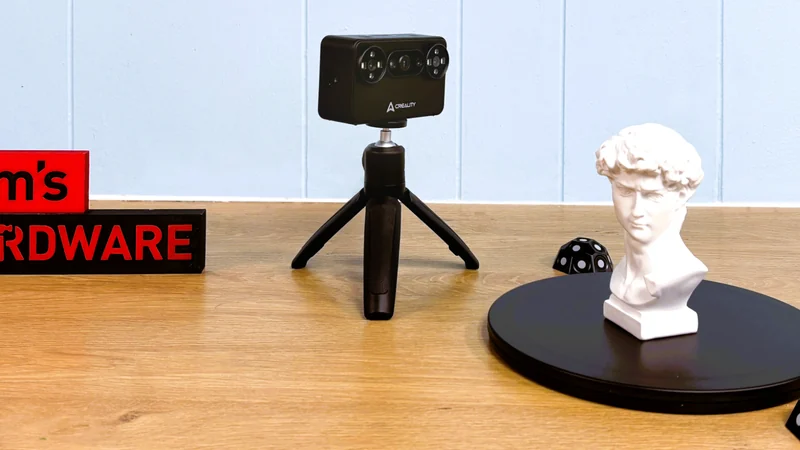
Creality Pika 3D Scanner Review: Portable and Affordable
Explore the lightweight Creality Pika 3D scanner, featuring mobile compatibility, excellent software, and a consumer-accessible price point.
OpenAI claims ex-employee took product plans to Apple
OpenAI alleges a former employee stole more than 100 confidential files containing unreleased product plans and presented them to Apple leadership.

Apple Launches $299 Apple TV 4K With Siri AI
Apple's new $299 Apple TV 4K adds Siri AI, hands-free voice commands, a speaker-equipped remote and support for four HomePod speakers.