WIRED Evaluates the Best AI Notetakers for 2026
WIRED has evaluated a growing collection of portable AI notetakers designed to capture conversations, transcribe speech, and generate smart summaries.
 Radwan AbdulhadiEditor and technology writer
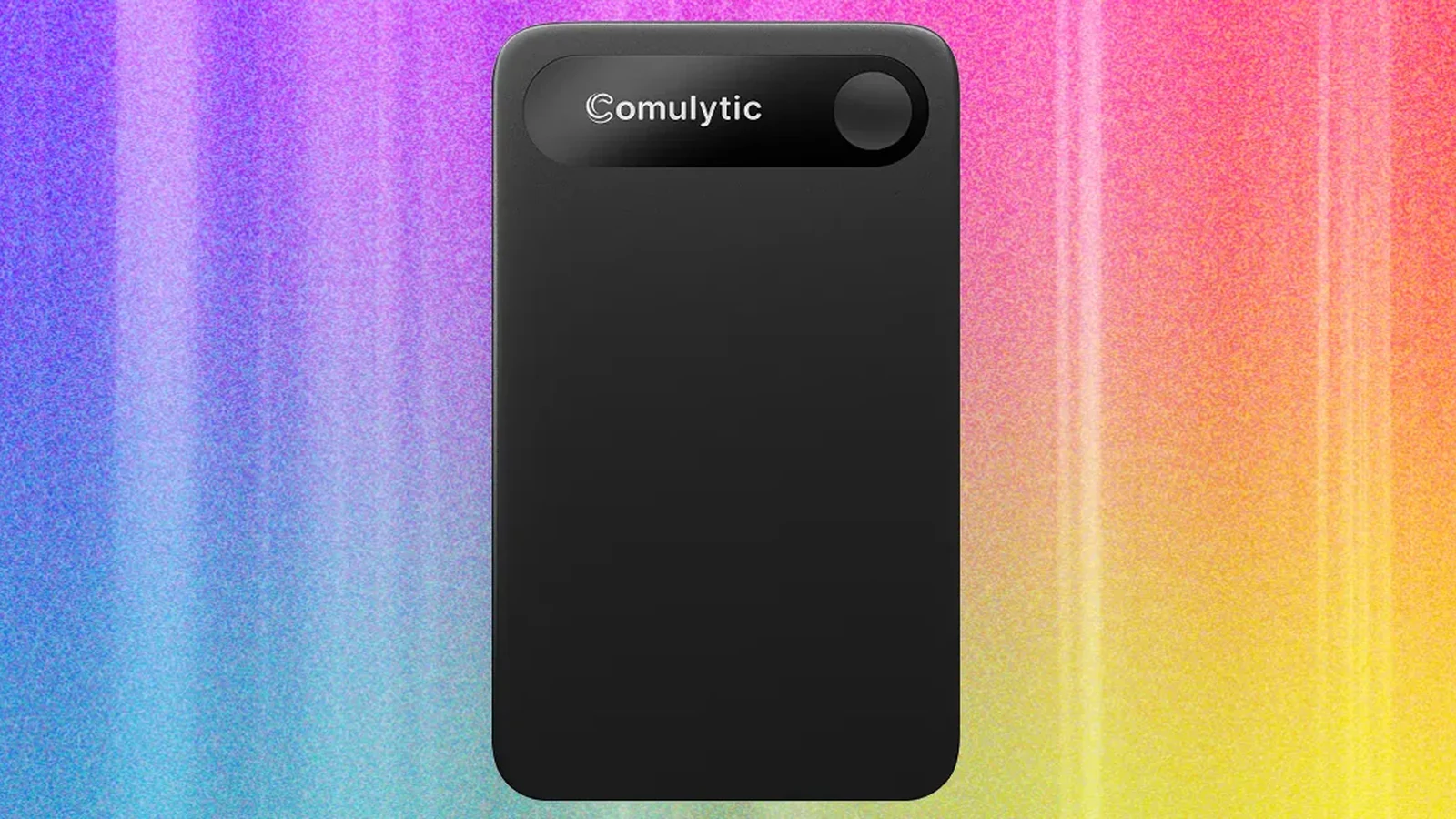
The Rise of Portable AI Notetakers
AI notetakers have experienced a surge in popularity following their prominent presence at CES 2026. These pocket-size gadgets evoke the microcassette recorders of the past while integrating modern artificial intelligence to simplify in-real-life note-taking during classes, meetings, and interviews.
The operational concept behind these hardware devices is straightforward. Users place the compact recorder on a table or within earshot of a speaker and activate it with a single button. An onboard microphone captures the discussion, transcribes the spoken words on the fly, and beams them to a smartphone companion app before sending the data to the cloud for advanced AI processing.
Software Options Versus Dedicated Hardware
Consumers looking to integrate artificial intelligence into their workflow are not restricted to physical gadgets. Ubiquitous software platforms such as Bluedot and Otter.ai can handle transcriptions and summaries directly from a computer or mobile phone during online video conferences.
In addition to dedicated third-party apps, smartphone ecosystems offer built-in capabilities. Users operating Pixel phones can utilize Google's Recorder app for native transcription and summarization features, while individuals using an iPhone with Apple Intelligence can rely on the Apple Voice Memos app.
Advantages of Physical Recording Devices
Despite the availability of software tools, physical hardware products remain particularly useful in complicated in-person scenarios. They excel when speakers are seated far away, when audio is difficult to capture, or when users prefer to keep their smartphones free for other simultaneous tasks.
Portable units can be left unattended in meeting rooms to record discussions, and certain advanced models are also equipped to handle foreign language translations. For enterprise environments, permanent conference room systems like the Vibe Bot function as specialized stenographers for business meetings.
Evaluation Criteria and Subscription Costs
During recent testing across daily life use cases, interviews, and conference calls, hardware solutions were evaluated based on transcription and translation accuracy, insight generation quality, processing speed, additional features, and overall financial value.
Most physical AI notetakers operate on a business model that combines upfront hardware expenses with recurring monthly fees. While a stripped-down free tier is frequently provided, unlocking unlimited artificial intelligence insights typically requires a paid subscription plan costing between $15 and $30 per month.
Top Hardware Picks and Features
Among the evaluated hardware options, the Comulytic Note Pro emerged as a standout device, praised for its slim profile, magnetic attachment capabilities, and useful onboard LCD display that tracks recording duration. Processing recordings through advanced language architectures such as OpenAI's GPT-5 and Google's Gemini, the device delivers concise abstracts and insights.
Reviewers tested a growing lineup of hardware solutions as part of the broader WIRED guide on the best AI notetakers, noting that competition in the market continues to expand with new entries from various technology manufacturers.
Sources
- WIRED5 Best AI Notetakers (2026), Tested and Reviewed
Continue chronologically

Related entity coverage
Related stories
Google rolls out improved SynthID AI content detector globally
Google has launched an improved SynthID AI content detector on a new website, supporting watermarks from major partners including OpenAI and Nvidia.

Google Expands SynthID Detector Globally with Apple Support
Google has rolled out its expanded SynthID AI content detector globally, introducing support for models from OpenAI, Nvidia, Kakao, and Apple.
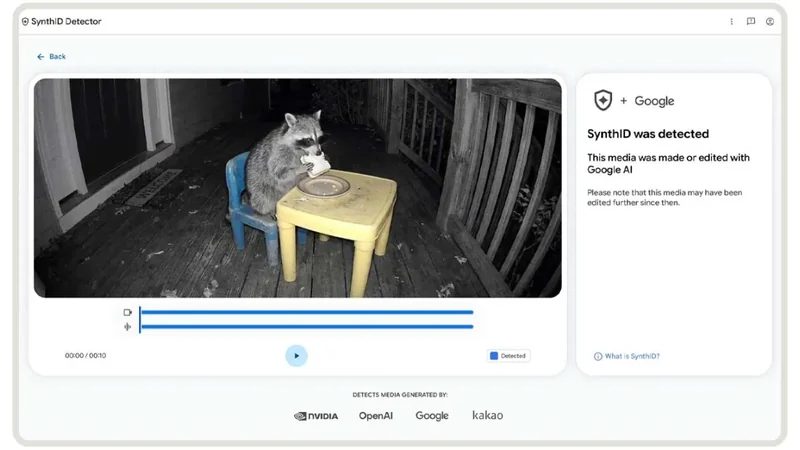
Google's SynthID AI Detector Goes Public for Everyone
Google's SynthID Detector is now available globally for regular users, offering a simple way to check if images, videos, or audio files are AI-generated.
WIRED Tests Best Cheap Phones for 2026
Discover WIRED's tested and reviewed best cheap phones for 2026, ranging from $100 to $800, featuring top picks like the Google Pixel 10a.